Dental Implants in the Heart of Bondi Junction: Are They Right for You?
If you’re missing one tooth (or several), it’s completely normal to wonder whether dental implants are the “best” option, or whether something simpler (like a bridge or denture) would suit you better.
Dental implants can be an excellent tooth replacement solution for many people, but they’re not automatically right for everyone. Suitability depends on your gum health, bone levels, medical history, lifestyle factors, and what you want the end result to feel like day-to-day.
In this guide, we’ll walk you through:
what dental implants are (in plain English)
who they’re best suited to (and who may need pre-treatment first)
what the process and timeline usually involves
benefits, risks, and alternatives
the next step if you’d like a personalised assessment in Bondi Junction
Quick answer: how to tell if implants might be right for you
Dental implants may be worth exploring if:
you want a fixed replacement (not removable) and a natural feel
you have healthy gums (or gum disease can be stabilised first)
you have enough jaw bone, or you’re open to grafting if needed
you’re able to commit to multiple appointments over several months
you’re willing to maintain excellent home care and regular reviews
If you smoke or vape, or if you have certain medical conditions, implants may still be possible — but the plan (and risk profile) can change.
What is a dental implant?
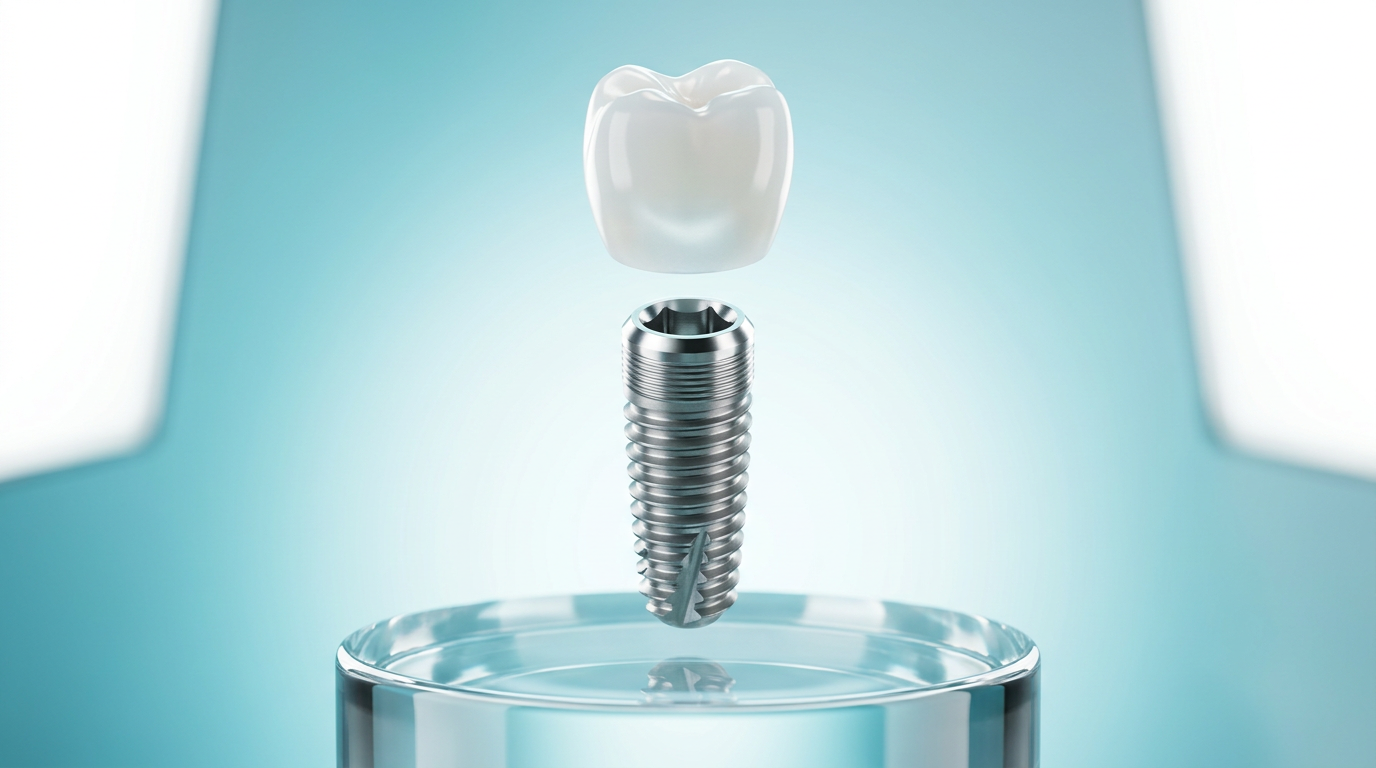
A dental implant is a small titanium screw placed into the jawbone to act like an artificial tooth root. After healing, it supports a replacement tooth (usually a crown), or it can help support a bridge or denture if you’re replacing multiple teeth.
One reason implants are so widely used is that the jawbone can grow around the implant during healing, helping it become stable and functional.
The dental implant process (step-by-step)
While every case is different, implant treatment is typically done in stages over a few months.
1. Assessment and planning
This usually includes:
a detailed dental examination
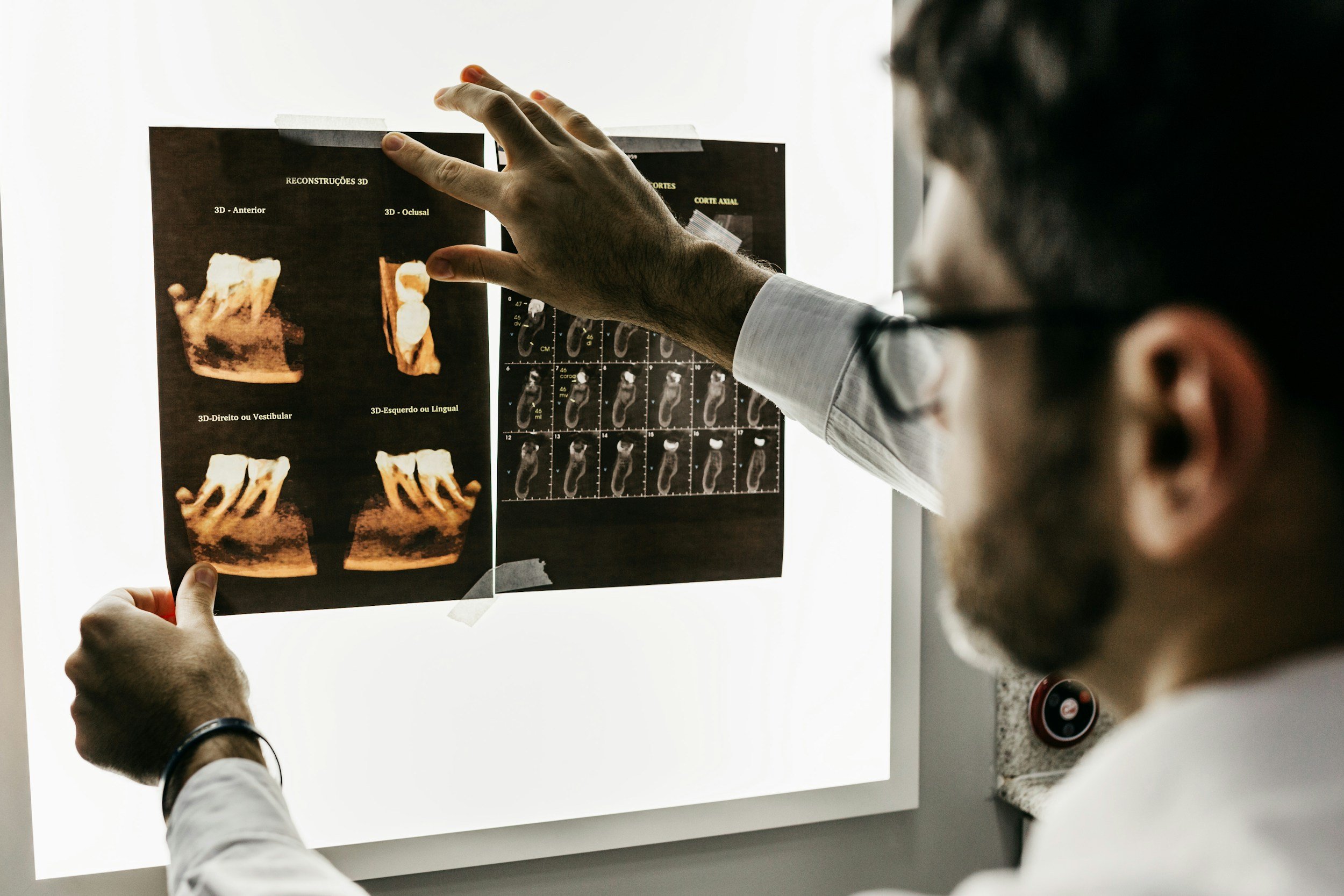
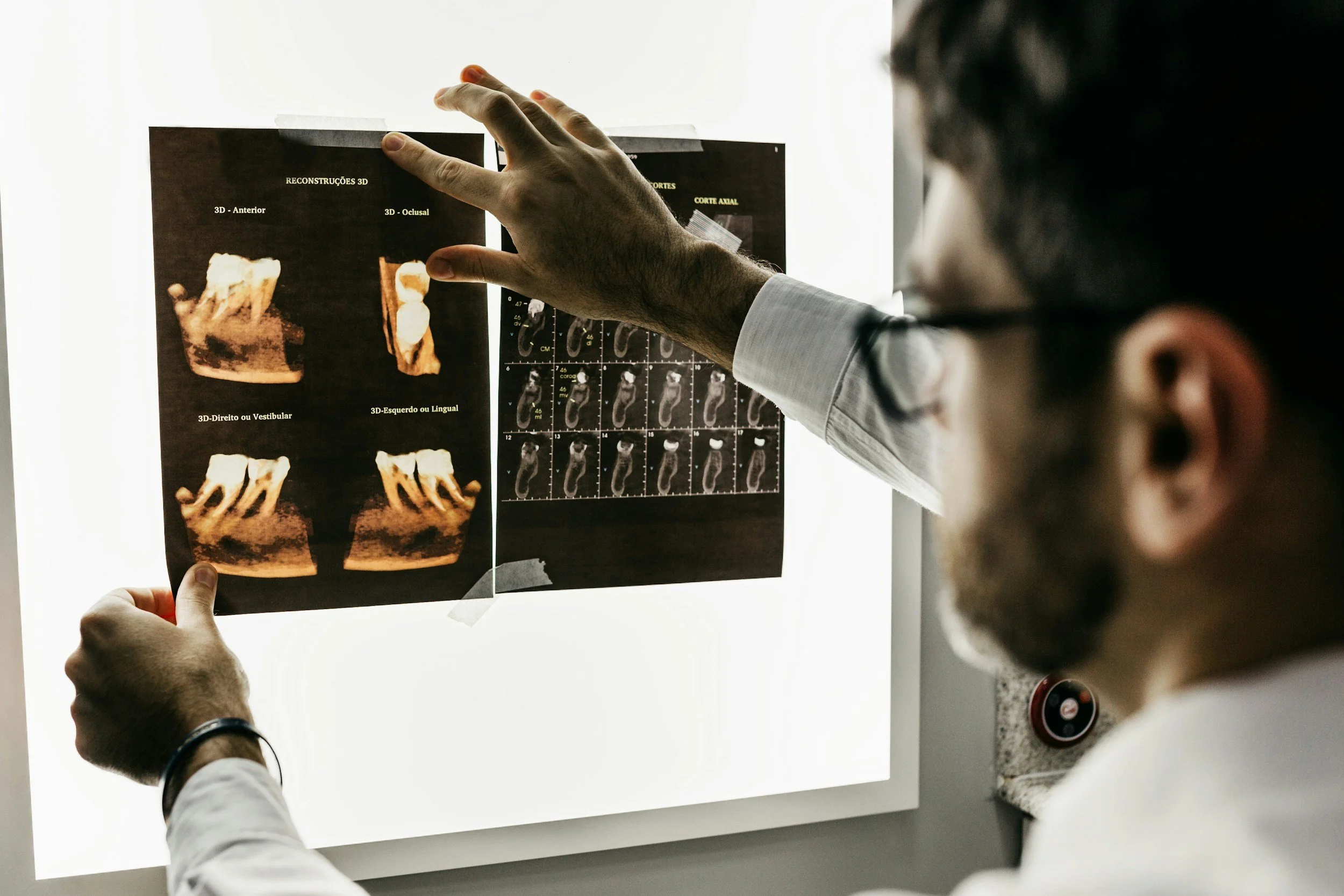
X-rays, and sometimes a 3D scan to check bone levels and important structures (like nerves and sinuses)
a discussion about your goals, timing, and suitability
2. Implant placement
The implant is placed into the jawbone under local anaesthetic (and sometimes additional sedation options, depending on the clinic and case).
3. Healing and integration
Healing commonly takes around three months, as the bone grows around the implant. (Some cases are longer or shorter depending on bone quality, site, and overall health.)
4. The final tooth (crown/bridge/denture) is fitted
Once healing is complete, the replacement tooth/teeth are attached.
Who is a good candidate for dental implants?
A consultation is the only way to confirm suitability, but these are the biggest factors:
Gum health matters
Healthy gums are essential. If there’s active gum disease, it usually needs to be treated and stabilised first.
You need enough bone (or a plan to rebuild it)
Adequate jaw bone helps the implant stay stable. If bone levels are reduced, grafting may be considered in some cases.
Your medical history and medications can affect healing
Certain medical conditions and medications can influence implant suitability and complication risk — so it’s important to disclose your full medical history (including supplements).
Smoking and vaping can increase risk
Smoking is associated with a higher risk of complications and a higher risk that implants won’t integrate as well with bone.
If you smoke or vape, we’ll talk honestly about your options and how to reduce risk.
Commitment to long-term maintenance
Implants aren’t “set and forget”. Like natural teeth, they require excellent daily hygiene and ongoing professional monitoring.
Benefits of dental implants (and why people choose them)
Dental implants can:
replace a missing tooth without relying on adjacent teeth (unlike some bridge designs)
feel stable and natural for chewing and speaking once healed
support replacement of multiple teeth (for example, an implant bridge or implant-supported denture)
How long do implants last?
With good care and maintenance, implants can last for many years, and long-term survival rates are high in many studies.
(Keep in mind: components can wear over time, and individual risk factors matter.)
Risks and considerations (important reading)
Implants are a surgical procedure, and like any surgery there are risks. Commonly discussed risks include:
infection at the implant site
damage to surrounding structures (teeth/blood vessels)
nerve injury that can cause numbness/tingling
sinus issues for some upper-jaw implants
There’s also a small risk that an implant may not integrate with the bone, and that risk can be higher in smokers.
What if implants aren’t right for me?
If implants aren’t suitable (or if you simply prefer a different approach), alternatives may include:
a fixed dental bridge
a removable denture
choosing no treatment for now and monitoring (in specific situations)
A good plan considers function, comfort, appearance, budget, timing, and long-term maintenance — not just “what’s most popular”.
Dental implants in Bondi Junction: what happens next?
If you’re considering dental implants and want clarity, the best next step is a complimentary consultation.
At Dentist In The Park (Bondi Junction), your consultation is designed to be straightforward and pressure-free:
we listen to what you want to achieve
we assess gum health and bone support (with appropriate imaging)
we explain the options, likely stages, and expected timelines
if implants aren’t right for you, we’ll talk through alternatives
Next step: Request an appointment via our Contact Us page (or call the practice on (02) 9389 2570).
FAQs
Do dental implants hurt?
Most people find implant placement more manageable than expected with local anaesthetic, but some swelling and discomfort during healing is normal. How you feel afterwards depends on the complexity of the case and your individual healing response. If you’re worried about comfort, we can talk through what to expect and how to manage recovery.
How long does the whole process take?
Implant treatment is usually completed in stages over several months. The healing phase where the implant integrates with bone is commonly around three months, and some cases take longer if additional steps are needed (such as bone grafting or staged treatment planning).
Can dental implants replace multiple teeth?
Yes. Dental implants can replace a single missing tooth with an implant crown, or they can support multiple teeth using an implant bridge or an implant-supported denture in suitable cases. The best option depends on your bite, bone support, gum health, and your goals for comfort and function.
Other helpful articles