Sleep Apnoea & Snoring Treatment in
Bondi Junction
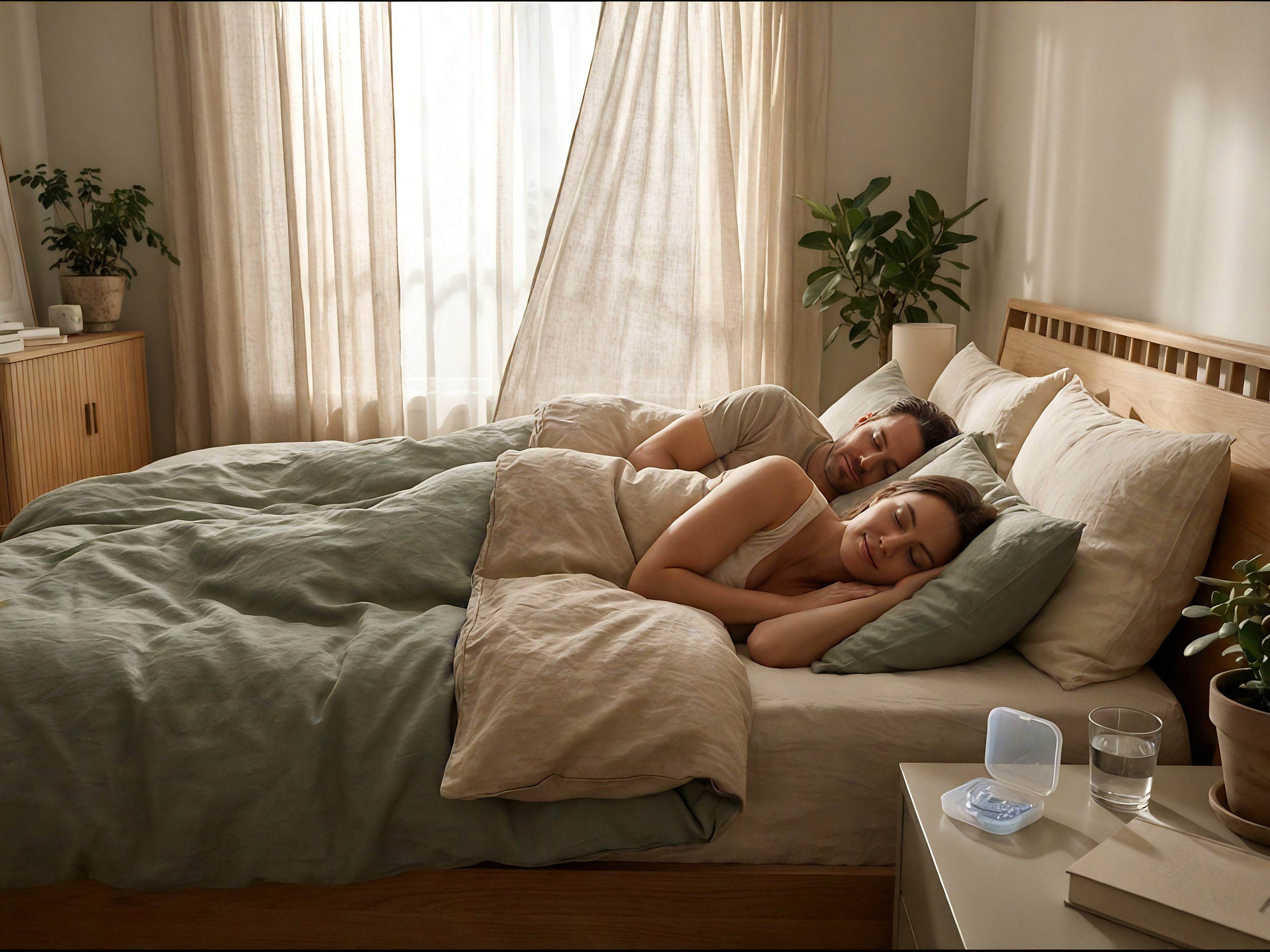
If snoring is disrupting your sleep, or you have been diagnosed with obstructive sleep apnoea (OSA), oral appliance therapy may be an effective option for suitable patients. We provide custom-fitted dental sleep devices designed to support airflow at night, with care coordinated alongside your GP or sleep physician when needed.
Why choose Dentist in the Park for sleep apnoea treatment?
Dr Quill has extensive experience in dental sleep machines. He understands the nuances of airway anatomy, jaw positioning, and how to create appliances that work effectively without causing jaw problems.
We work collaboratively with sleep physicians, ensuring you receive comprehensive care that addresses both the medical and dental aspects of treatment.
Our approach is thorough, patient-centred, and focused on long-term success. We won't rush you through fittings or leave you to figure things out on your own - we're with you throughout the process, making adjustments and ensuring the treatment is actually improving your sleep and health.

Schedule your consultation today
Whether you need a check-up, help with a toothache, a second opinion, or you are exploring implants, aligners, crowns, or sleep apnoea devices, we can guide you to the right next step.
We accept all health funds.
HICAPS claiming is available on the day, so you only pay the balance. CBHS members can ask our team about in-practice claiming for routine examinations, cleans, and X-rays.
For urgent dental concerns during business hours,
please call (02) 9389 2570.
Why act on snoring and sleep apnoea?
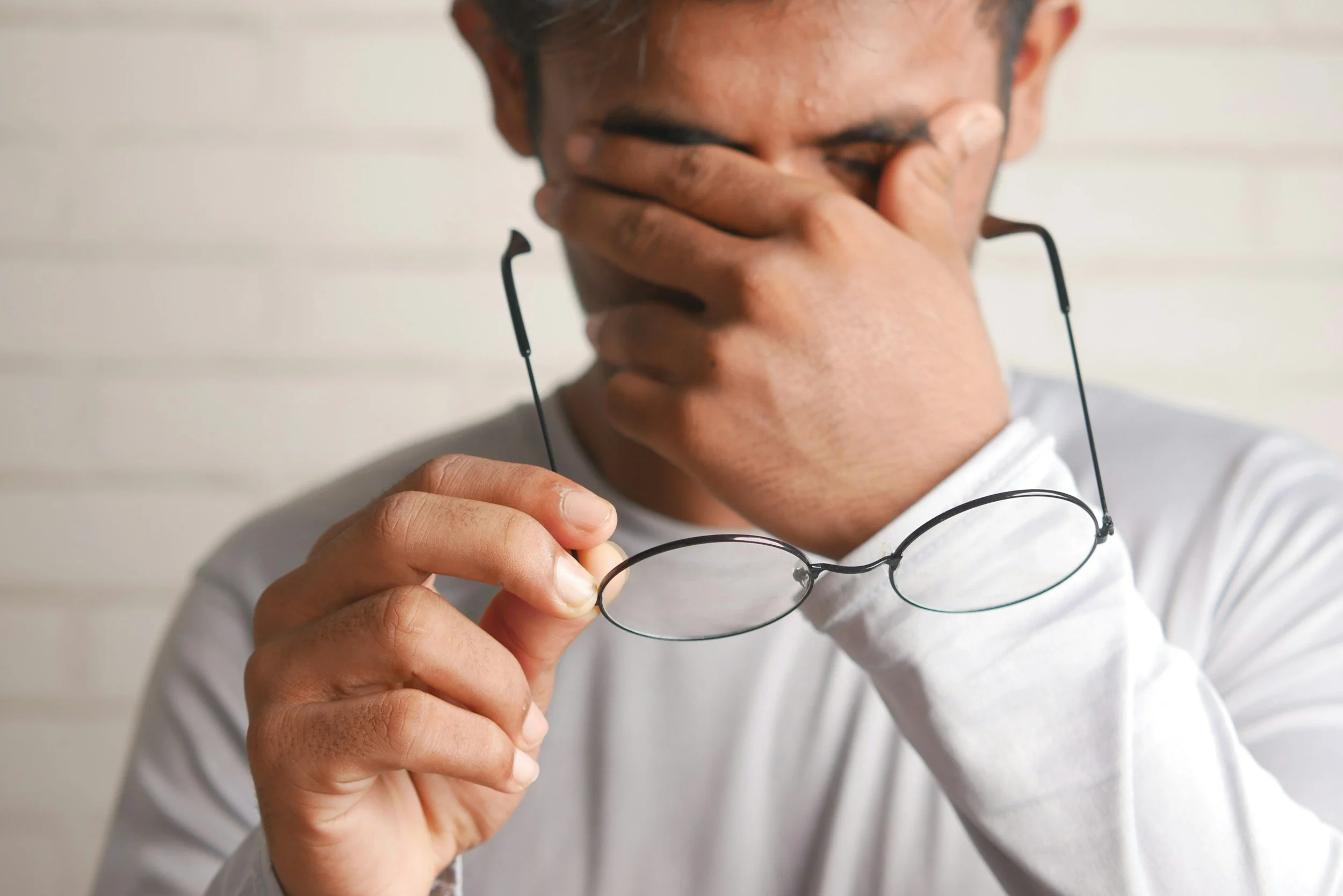
Snoring can be simple, but it can also be a sign of Obstructive Sleep Apnoea (OSA). If you wake up unrefreshed, feel sleepy during the day, or someone has noticed pauses in your breathing, it is worth getting assessed. Untreated OSA is associated with increased health risks, including high blood pressure, cardiovascular disease, stroke, mood changes, and accidents linked to fatigue.
Common signs to take seriously
Loud, frequent snoring
Gasping or choking during sleep
Morning headaches, dry mouth
Daytime sleepiness or poor concentration
Witnessed breathing pauses
How oral appliance therapy works
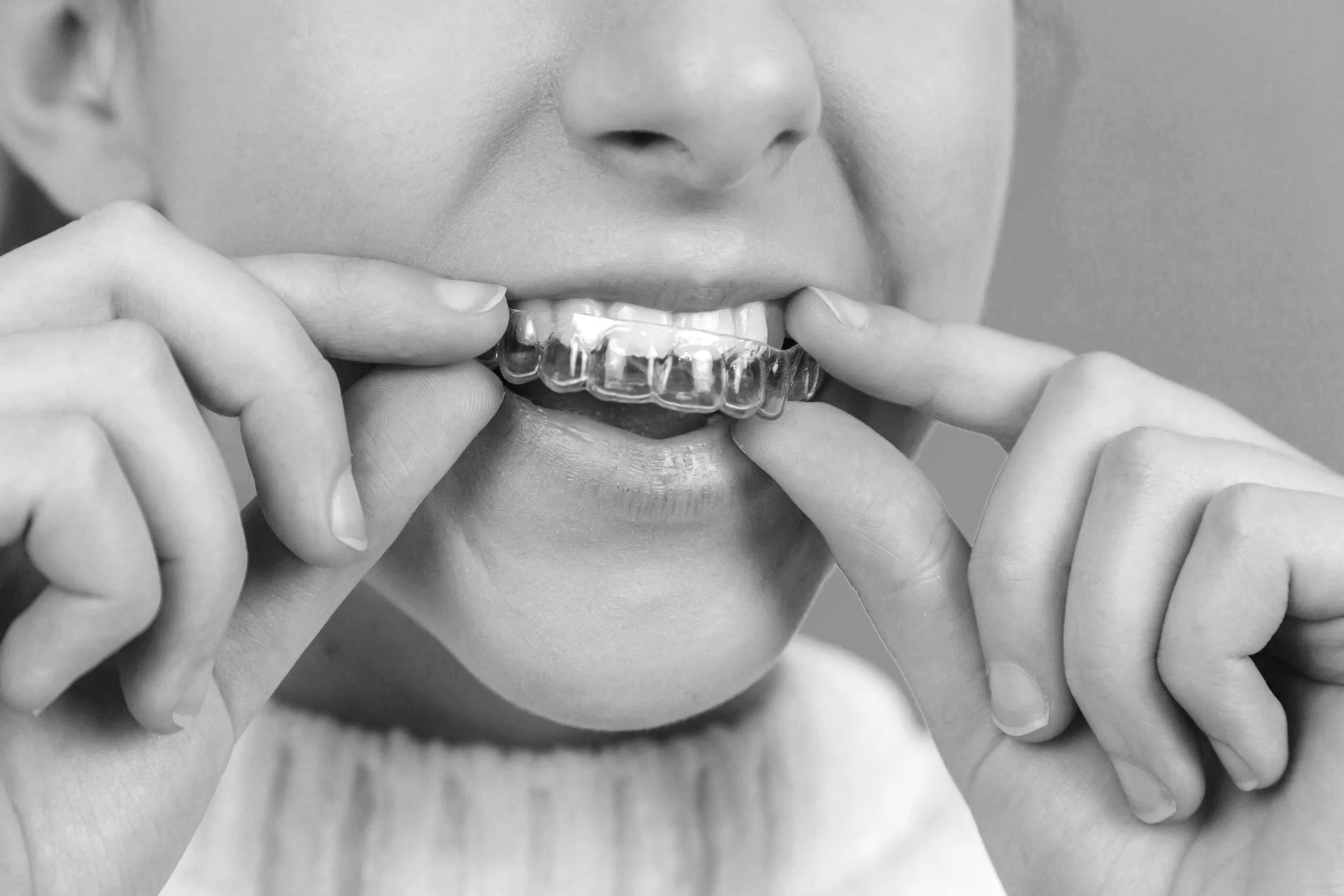
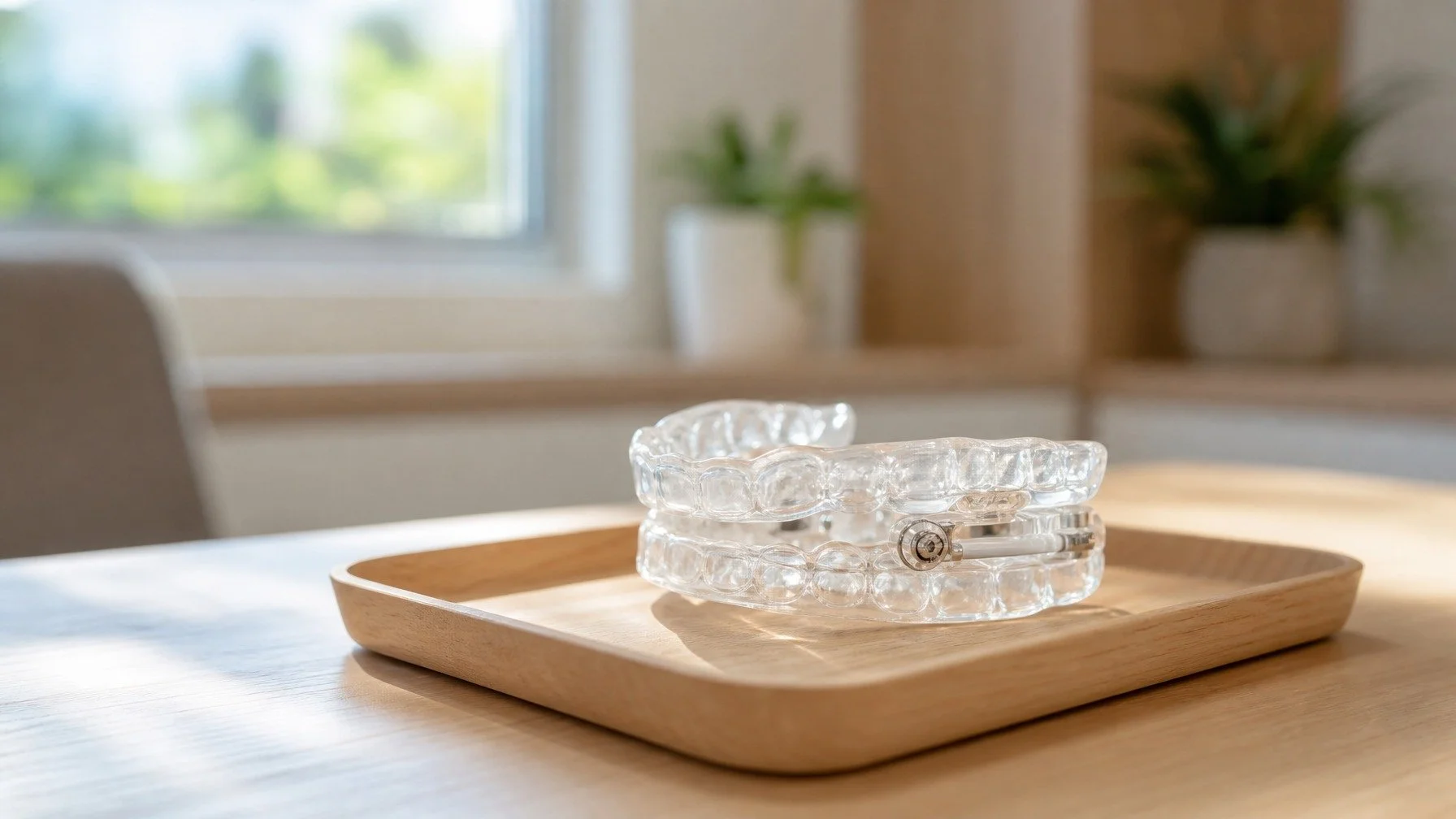
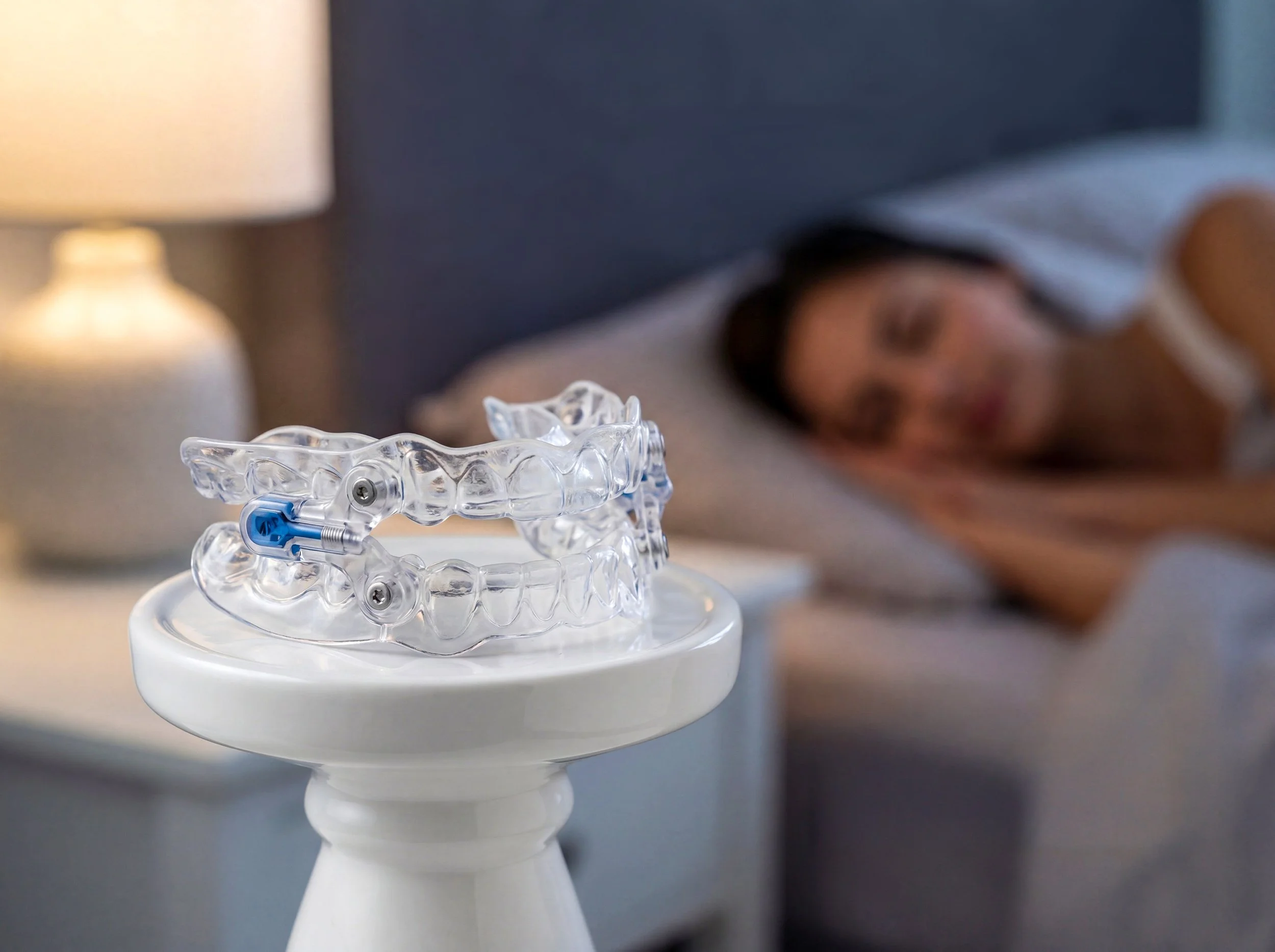
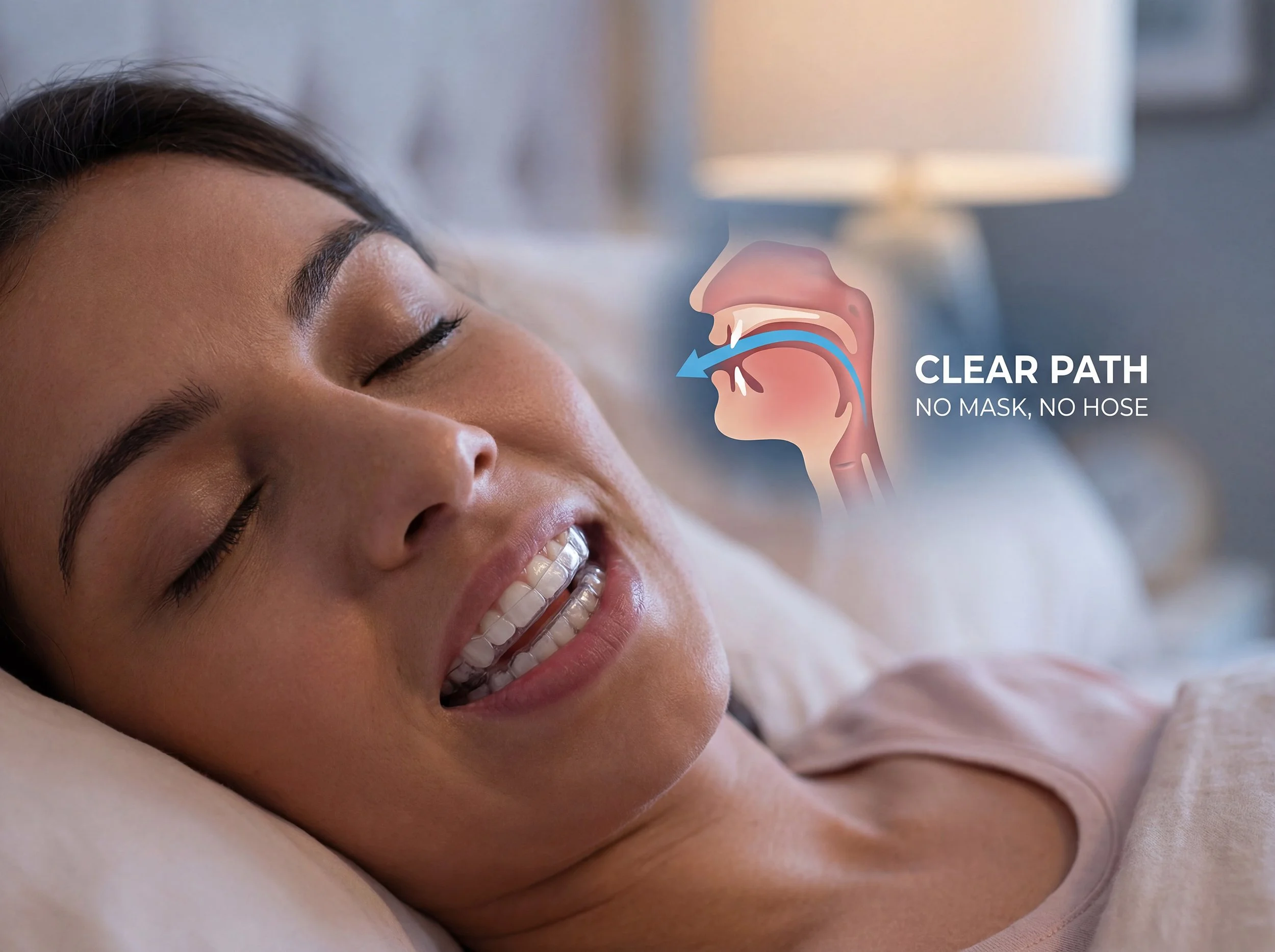
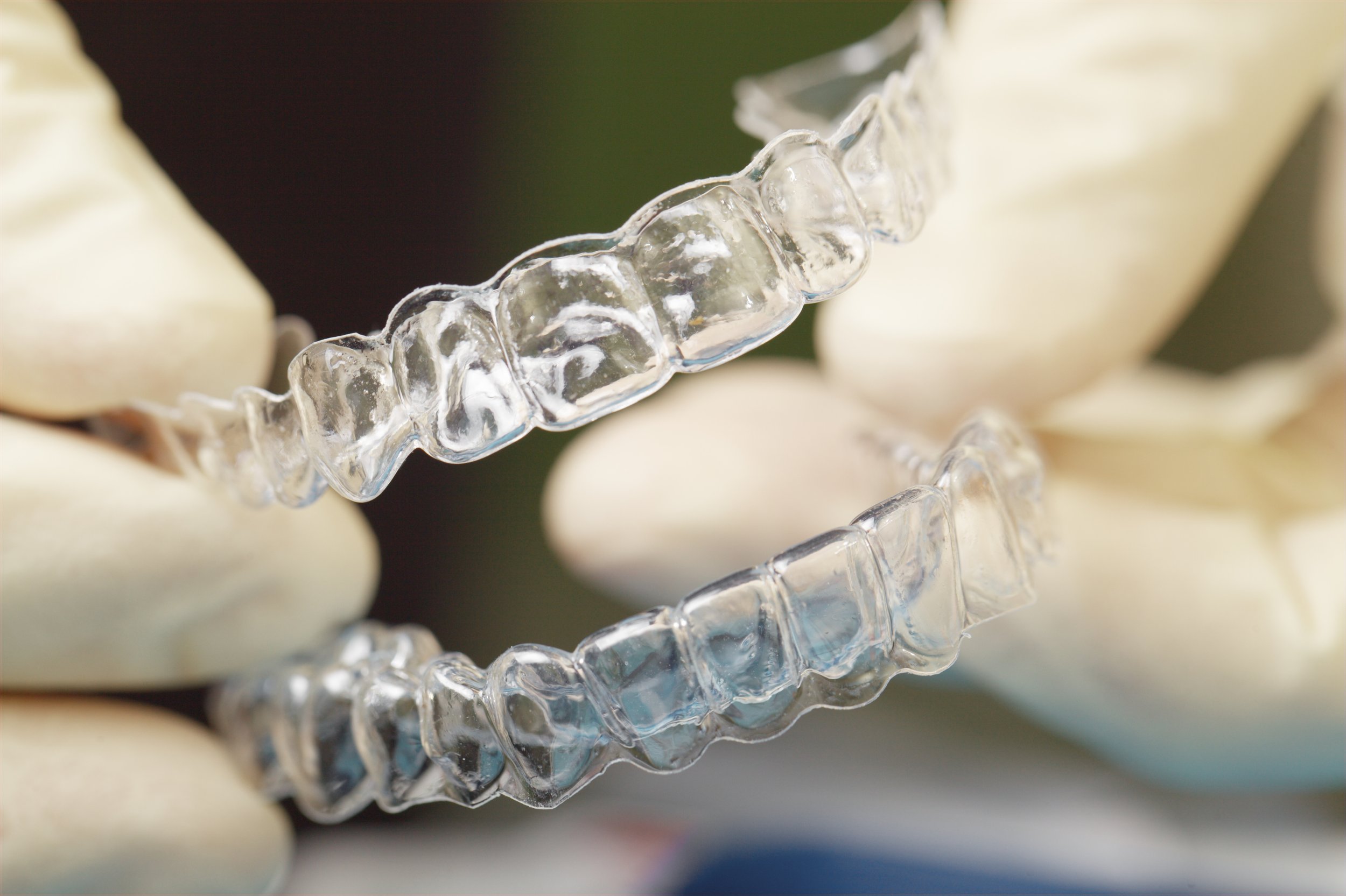
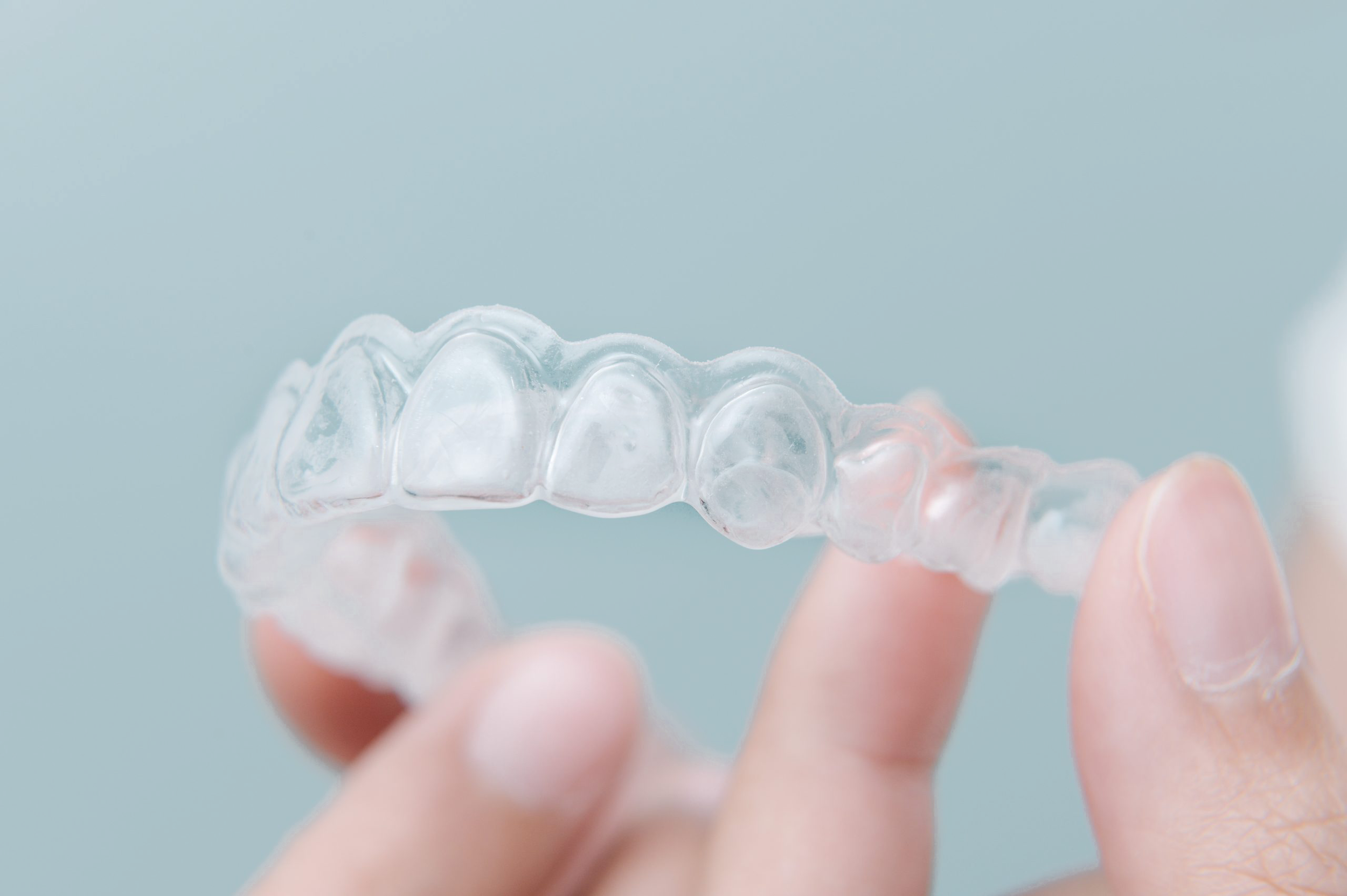
Oral appliance therapy uses a dentist-made device, similar to a mouthguard, worn during sleep. It gently positions the lower jaw forward to help keep the airway open. For many people with primary snoring, and suitable patients with mild to moderate OSA, this can be an effective and practical alternative.
Why patients like oral appliances
Small and quiet
Travel-friendly
No power supply or mask
Designed for your bite and comfort
Real Results
That Improve
Your Life
When sleep apnoea is properly treated, patients notice:
Better sleep quality - Waking refreshed instead of groggy
More energy - No more 3pm crashes or constant fatigue
Improved focus - Sharper thinking and better concentration
Better mood - Less irritability and depression
Relationship benefits - Peaceful nights for both you and your partner
Health improvements - Reduced cardiovascular risk, better blood pressure control
One of Dr Quill's favourite moments is when patients return for follow-ups and report how much better they feel - partners are often equally thrilled.
How does oral appliance therapy compare to CPAP?
CPAP (Continuous Positive Airway Pressure) is the gold standard treatment for severe sleep apnoea, and it works extremely well - when people actually use it. The problem? Many patients find CPAP masks uncomfortable, claustrophobic, or impractical, leading to poor compliance.
Oral appliances are ideal if you:
Have mild to moderate sleep apnoea
Can't tolerate CPAP or have tried and given up
Travel frequently for work
Want a quieter, less intrusive solution
Have a bed partner who's tired of the CPAP noise
Simply want an alternative to consider
For severe sleep apnoea, CPAP is often still the most effective option. But for many patients with mild to moderate OSA, oral appliances deliver comparable results with much better compliance, and consistent treatment is what actually improves your health.
We're not here to talk you out of CPAP if it's working for you. But if you've struggled with it or never wanted to try it in the first place, oral appliance therapy might be exactly what you need.
Who benefits from oral appliance therapy?
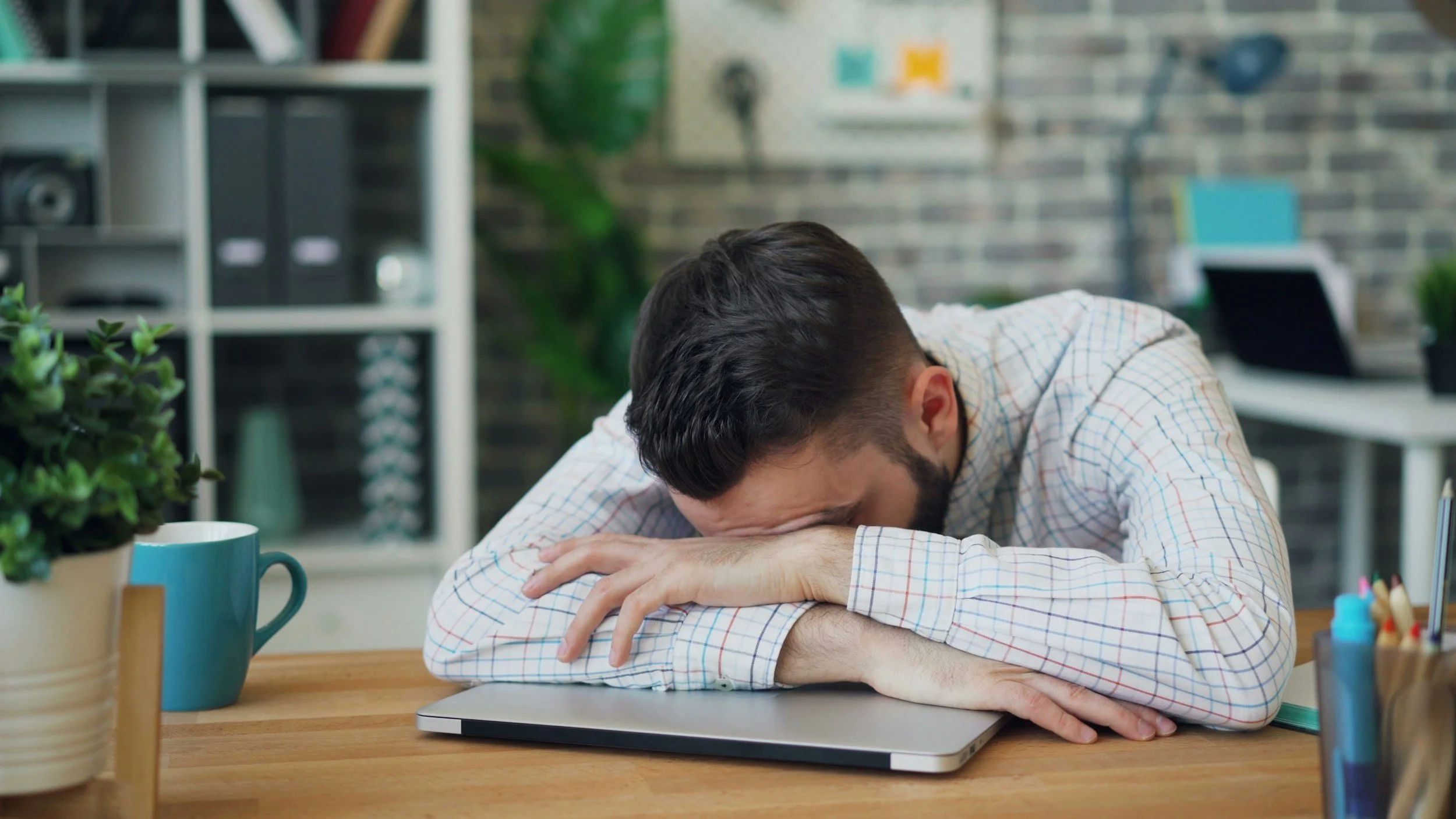
You might be a good candidate if you:
Have been diagnosed with mild to moderate obstructive sleep apnoea
Snore loudly and regularly (your partner will confirm this)
Experience daytime fatigue despite adequate sleep time
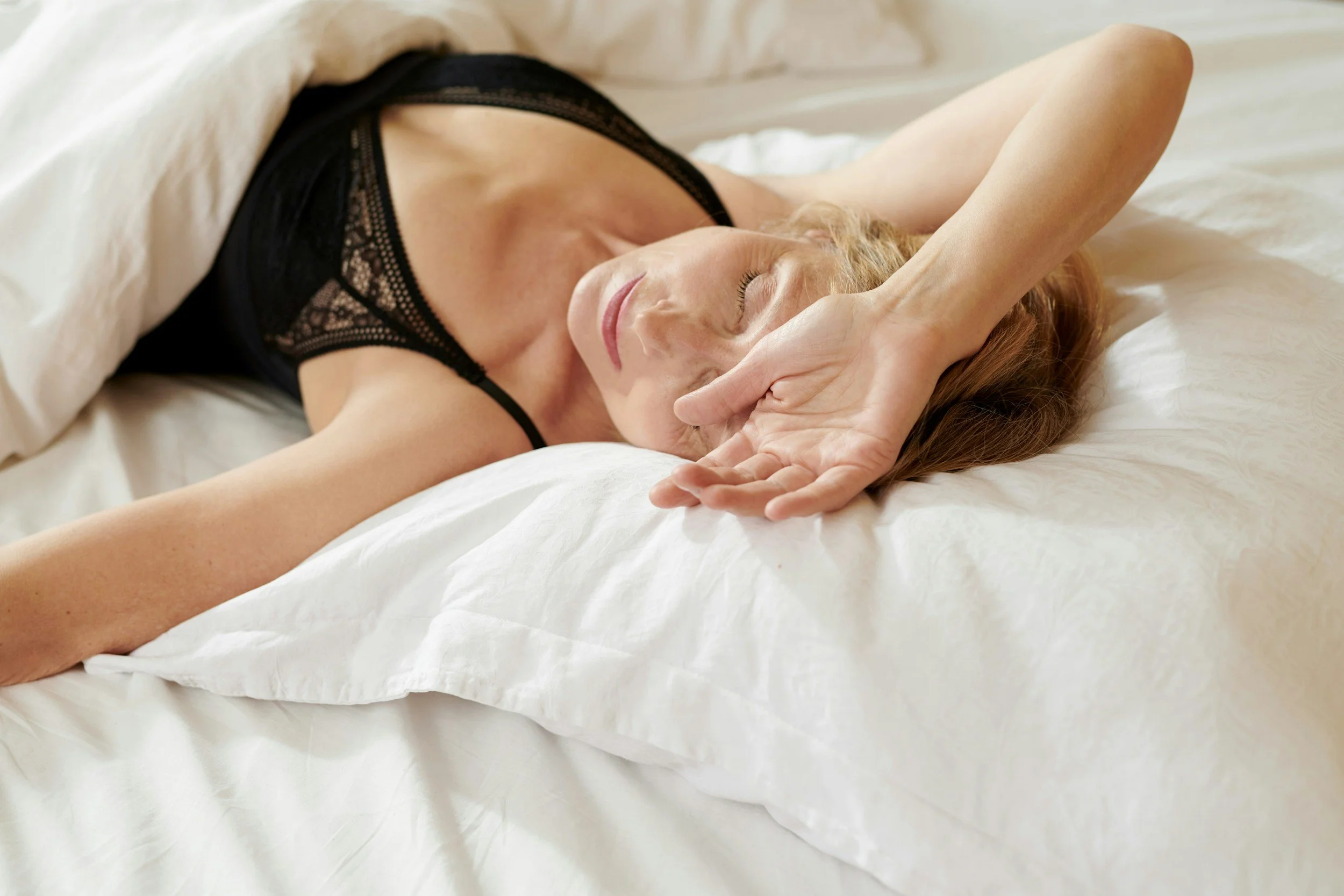
Wake up with headaches or a dry mouth
Have been told you stop breathing or gasp during sleep
Can't tolerate CPAP or refuse to use it
Travel frequently and need a portable solution
Oral appliances work best for patients who:
Have healthy teeth and gums (the device needs stable teeth to attach to)
Don't have severe TMJ disorders
Are motivated to treat their sleep apnoea consistently
During your consultation, we'll assess whether oral appliance therapy is right for your specific situation.

Sleep Apnoea & Snoring Treatment Journey at
Dentist in the Park
Step 1 – Initial Consultation & Assessment
We review symptoms, oral health, jaw function, and any sleep study results. If you have not had a sleep study and OSA is suspected, we can refer you via your GP or a sleep physician for diagnosis.

Step 2 – Digital scan and device design
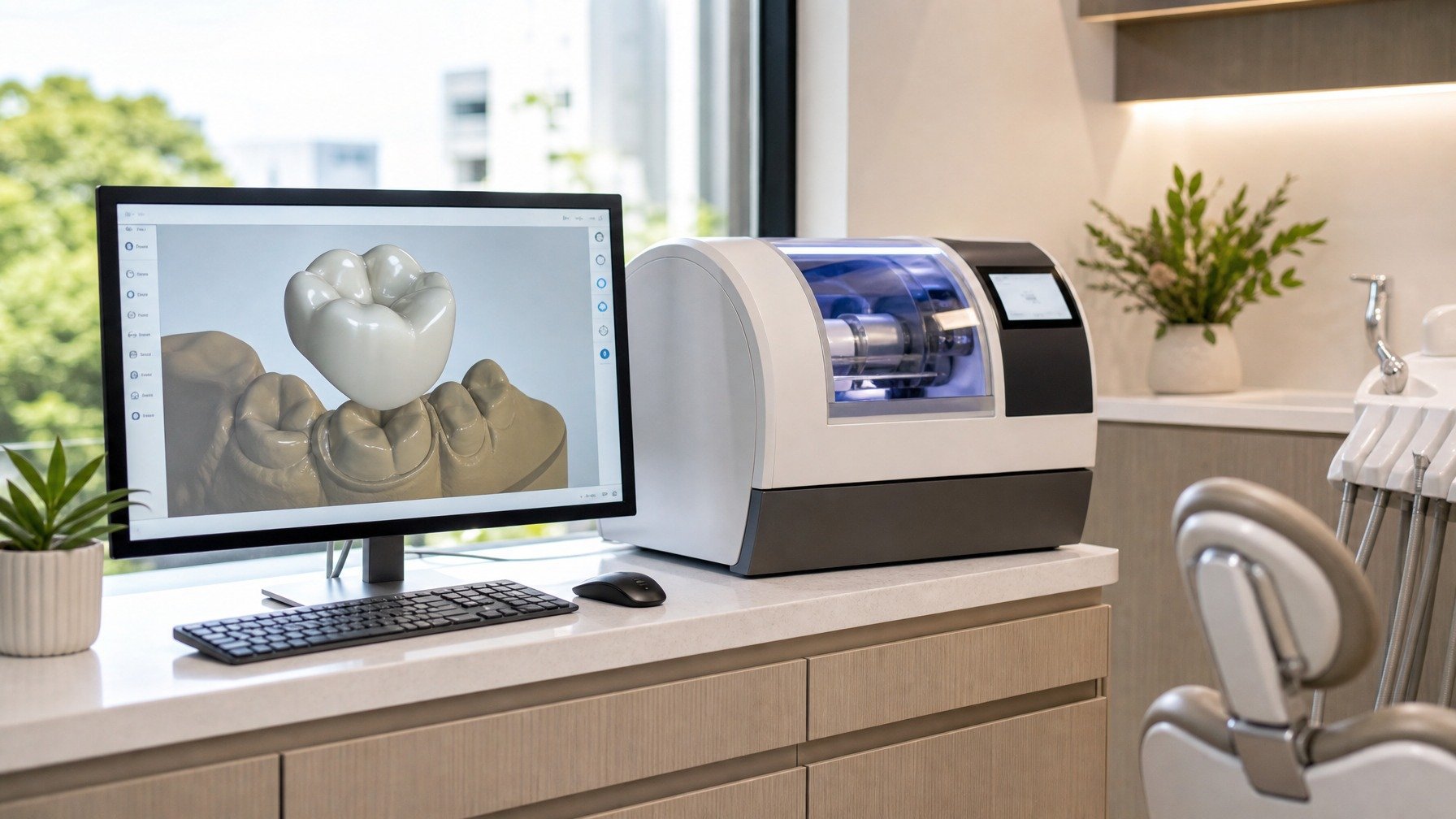
We take precise scans or impressions to design a custom device that fits your teeth and bite.

Step 3 – Fitting and adjustment
We fit the device and adjust the jaw position gradually to balance comfort and airway support.
Step 4 – Review and confirmation
Where appropriate, we coordinate follow-up with your sleep physician and may recommend repeat testing to confirm effectiveness.
Step 5 – Ongoing monitoring
We monitor fit, bite changes, comfort, and wear, then adjust as required.
Custom-fitted makes all the difference
Over-the-counter “boil and bite” devices may help some snorers, but they are not a substitute for clinically supervised treatment where OSA is suspected or diagnosed. A custom-fitted device is designed to protect your teeth and jaw, and to be adjusted safely over time.
Custom-fitted oral appliances made by a dentist experienced in sleep medicine are:
Precisely calibrated to your bite and airway needs
Constructed from durable, medical-grade materials
Adjustable for optimal effectiveness
Designed to protect your teeth and jaw health
Covered by many health insurance plans (with proper diagnosis)
This isn't just a snoring solution; it's a medical treatment for a serious condition. Getting it right matters.
Comfort and side effects
Most people adapt within the first couple of weeks. Temporary jaw stiffness, salivation changes, or tooth tenderness can occur, which is why review appointments matter. We monitor bite and jaw comfort and adjust early if needed.
You might experience:
Mild jaw soreness for the first few days (similar to wearing braces)
Increased salivation initially (your mouth adapts quickly)
Temporary tooth sensitivity
These effects typically resolve as you get used to the device. If discomfort persists, we'll adjust the appliance to improve comfort. The key is communication - let us know what you're experiencing so we can fine-tune the fit.
The vast majority of our patients find oral appliances far more comfortable than CPAP masks and actually look forward to better sleep rather than dreading bedtime.
Schedule your consultation today
Whether you need a check-up, help with a toothache, a second opinion, or you are exploring implants, aligners, crowns, or sleep apnoea devices, we can guide you to the right next step.
We accept all health funds.
HICAPS claiming is available on the day, so you only pay the balance. CBHS members can ask our team about in-practice claiming for routine examinations, cleans, and X-rays.
For urgent dental concerns during business hours,
please call (02) 9389 2570.
Frequently Asked Questions About Sleep Apnoea & Snoring Treatment
-
If you have daytime sleepiness, witnessed breathing pauses, gasping during sleep, or morning headaches, it is worth speaking with your GP and arranging assessment for OSA.
-
Clinical studies show oral appliances effectively treat mild to moderate obstructive sleep apnea in most patients, with success rates of 60-80%. They're most effective when custom-fitted and properly adjusted. For severe sleep apnea, CPAP is generally more effective, though some patients use a combination approach.
-
Yes! Oral appliances are highly effective for treating primary snoring (snoring without sleep apnea). If loud snoring is affecting your relationship or sleep quality, an oral appliance can make a significant difference.
-
For treating sleep apnea, yes - oral appliances are prescription medical devices that require a diagnosis. If you're only treating snoring without suspected apnea, a sleep study isn't always necessary. We can discuss whether a sleep study makes sense for your situation.v
-
Many private health insurance plans cover oral appliances for diagnosed sleep apnea, often under major dental or medical benefits. Medicare may provide coverage with a sleep specialist's prescription. We'll help you understand your coverage and submit claims.
-
With proper care, oral appliances typically last 3-5 years. Some patients get even longer use. We'll check the appliance's condition at regular visits and recommend replacement when needed.
-
Usually, yes. We'll assess your dental work during consultation. The appliance needs stable teeth to anchor to, but most dental restorations don't prevent use. If you have extensive dental work or missing teeth, we'll determine the best approach.
-
Teeth grinding (bruxism) doesn't prevent oral appliance use, though it may affect the device's lifespan. We'll choose durable materials and monitor for wear. Some patients find their grinding actually improves once sleep apnea is treated.
-
When properly fitted and monitored, oral appliances should not cause permanent bite changes. We check your bite at follow-up visits and make adjustments if needed. Some temporary jaw stiffness is normal in the morning but should resolve quickly.
-
Clean your appliance daily with a soft toothbrush and mild soap or denture cleaner. Rinse thoroughly and store it dry in its case when not in use. Avoid hot water, which can warp the material. Bring your appliance to dental appointments so we can professionally clean it and check its condition.
-
If you've given the appliance a fair trial with proper adjustments and it's not effective, we'll work with your sleep physician to explore alternatives. Sometimes CPAP or even surgical options may be necessary for severe cases. Our goal is finding the treatment that actually works for you.
-
Absolutely! This is one of the major advantages over CPAP. The appliance fits in a small case in your luggage—no power source, no special setup, no TSA concerns. Many patients love the travel convenience.
-
Many patients notice immediate improvements in how they feel upon waking. Your bed partner will likely notice quieter nights right away. Measurable improvements in health markers (blood pressure, energy levels) typically develop over weeks to months of consistent use.
-
Not always. They are commonly used for primary snoring and suitable cases of mild to moderate OSA, and can also be considered when CPAP is not tolerated.
-
Some people notice temporary morning jaw stiffness or bite changes. With proper fitting and monitoring, we aim to minimise long-term issues and adjust early if changes appear.
-
Clean daily with a soft toothbrush and mild soap, rinse well, store dry, and avoid hot water which can warp materials. Bring it to check-ups so we can inspect fit and wear.
Ready for better sleep?
If you're tired of feeling tired or if your partner is tired of your snoring, it's time to explore oral appliance therapy.
Book a sleep apnoea consultation to discuss whether oral appliance therapy is right for you.
Latest Dental Insights