Dental Crowns & Bridges in Bondi Junction
If a tooth is cracked, heavily filled, worn down, or missing, a crown or bridge can restore strength, function, and a natural-looking smile. At Dentist In The Park in Bondi Junction, we focus on conservative planning, high-quality materials, and patient comfort, including options like The Wand for gentler anaesthetic delivery and nitrous oxide (happy gas) for nervous patients.
Our unique approach,
After 35 years of restoring smiles across the Eastern Suburbs, Dr Quill's approach remains straightforward: create restorations that look natural, function properly, and are built on a foundation of good oral health.
We won't rush you into treatment. If a damaged tooth can be saved with a simpler filling, we'll do that first. If you're missing teeth, we'll discuss all your options - bridges, implants, or partial dentures - and help you decide what makes the most sense for your situation and budget.
Key facts
Crowns protect and restore a damaged tooth by covering it with a custom “cap”.
Bridges replace one or more missing teeth by securing a false tooth to neighbouring teeth.
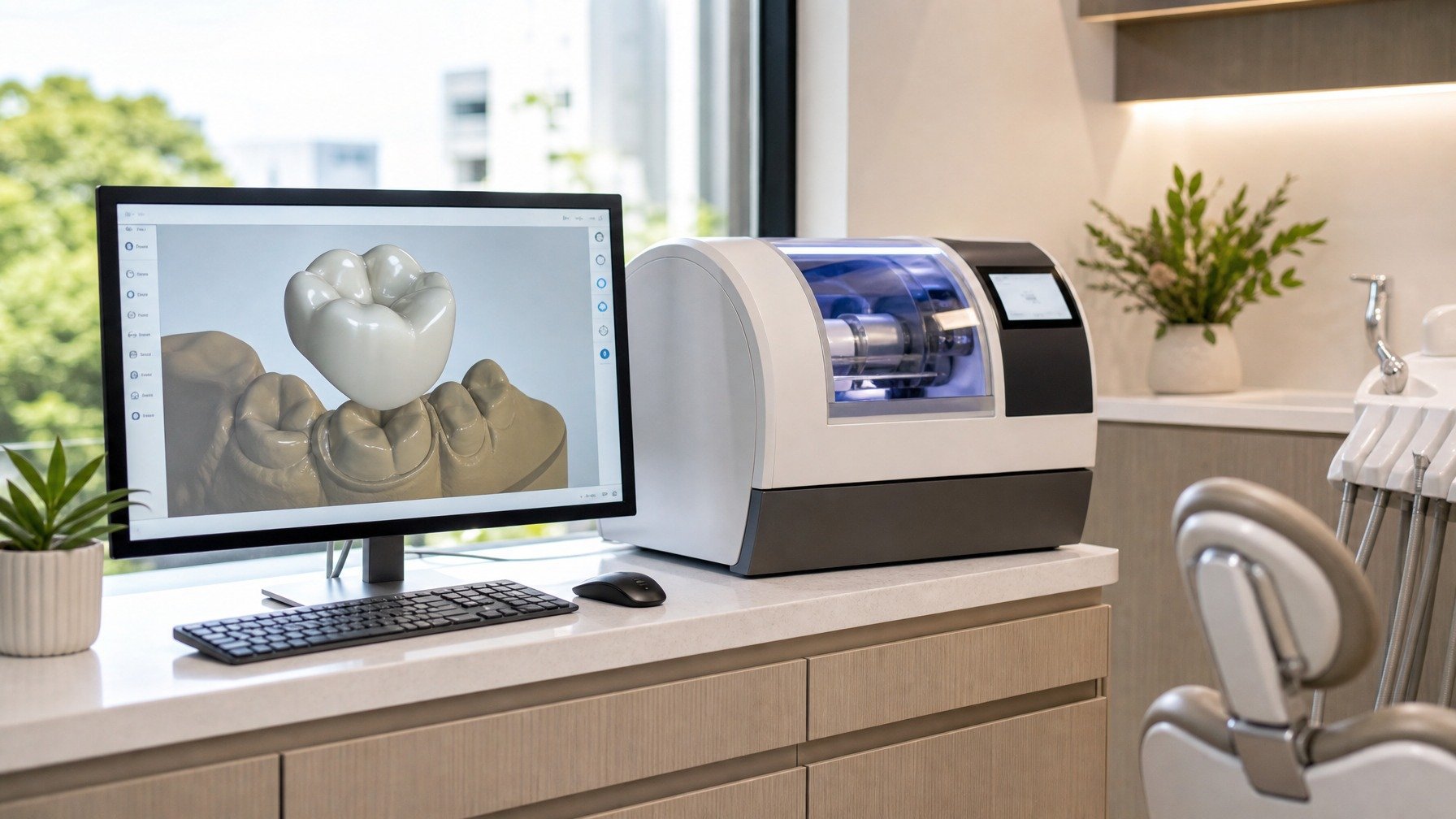
In suitable cases, CEREC technology can help deliver a crown in fewer visits by designing and milling restorations in-house.
We support comfort with The Wand and nitrous oxide (happy gas) options.
The goal is to restore your tooth (or teeth) so effectively that you forget it was ever damaged or missing.
Natural results, built to last

Schedule your consultation today
Whether you need a check-up, help with a toothache, a second opinion, or you are exploring implants, aligners, crowns, or sleep apnoea devices, we can guide you to the right next step.
We accept all health funds.
HICAPS claiming is available on the day, so you only pay the balance. CBHS members can ask our team about in-practice claiming for routine examinations, cleans, and X-rays.
For urgent dental concerns during business hours,
please call (02) 9389 2570.
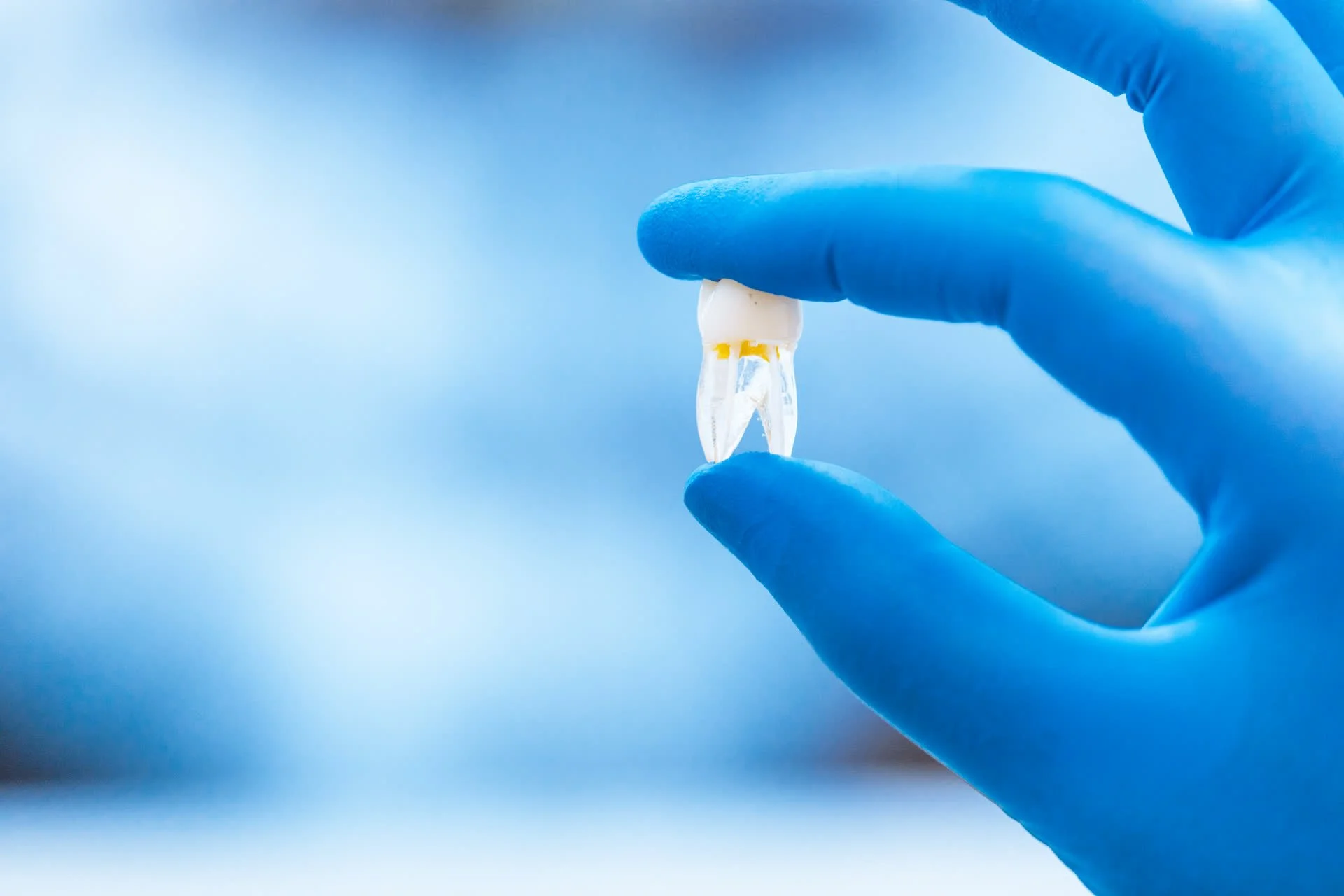
What is a dental crown?
A dental crown is a custom restoration that covers and protects a tooth that is weakened by decay, cracks, large fillings, or wear. It can improve how a tooth looks and functions, and it can help prevent further damage.
You may benefit from a crown if you have:
A cracked or heavily restored tooth
A tooth that has had root canal treatment
A tooth that is worn down (including from grinding)
A tooth that needs strength and protection long-term
What is a dental bridge?
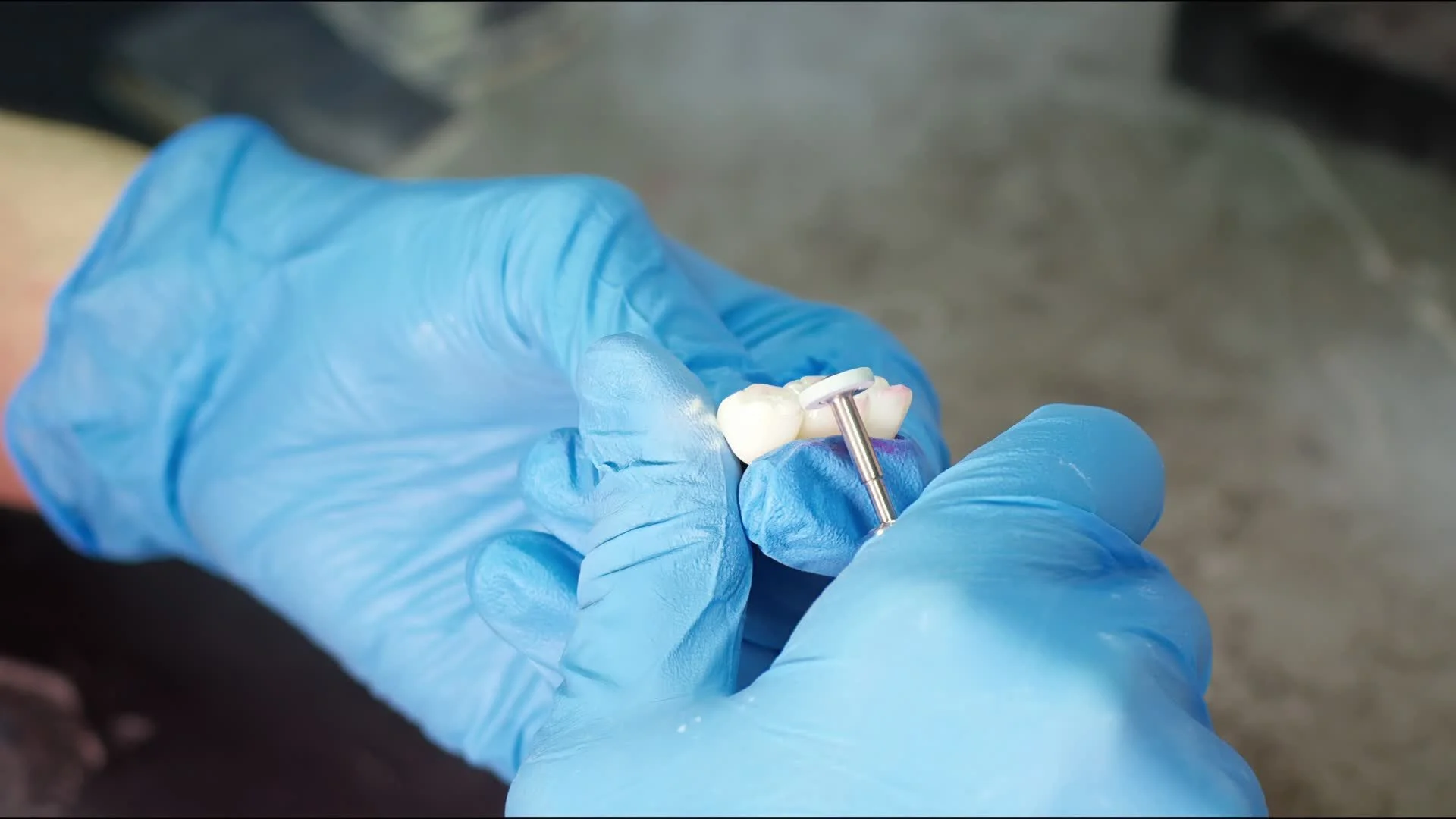
A bridge replaces missing teeth with a fixed restoration supported by neighbouring teeth (or in some cases, implants). Unlike a denture, a bridge is not removable.
A bridge can help:
Restore your bite and chewing function
Support speech clarity
Reduce unwanted tooth movement into gaps
Improve appearance by filling visible spaces
Crown vs Veneers:
What's The Difference?
This is a common question. Here's the simple answer:
Veneers cover only the front surface of a tooth and are used for cosmetic improvements on healthy teeth (staining, minor chips, small gaps).
Crowns cover the entire tooth and are used when teeth are damaged, weakened, or need structural support. Crowns are about protection and restoration, not just appearance.
If your tooth is cracked, has a large filling, or has had a root canal, you need a crown - not a veneer.
When might you need a crown or bridge?
Dental crowns and bridges are restorative treatments designed to repair or replace teeth that can't be fixed with simpler solutions like fillings.
You might need a crown if:
A tooth is severely cracked, broken, or worn down
You've had a root canal treatment (the tooth needs protection)
A large filling has failed or a tooth has extensive decay
You want to strengthen a weak tooth before it breaks
You need to improve the shape or appearance of a damaged tooth
You might need a bridge if:
You're missing one or more teeth and want a fixed (non-removable) solution
Missing teeth are affecting your ability to chew comfortably
Gaps are causing other teeth to shift out of position
You want to restore your smile without dental implants
At Dentist in the Park, we take the time to explain your options clearly. If there's a more conservative treatment that will work, we'll tell you. We only recommend crowns or bridges when they're genuinely the best solution for your situation.

Schedule your consultation today
Whether you need a check-up, help with a toothache, a second opinion, or you are exploring implants, aligners, crowns, or sleep apnoea devices, we can guide you to the right next step.
We accept all health funds.
HICAPS claiming is available on the day, so you only pay the balance. CBHS members can ask our team about in-practice claiming for routine examinations, cleans, and X-rays.
For urgent dental concerns during business hours,
please call (02) 9389 2570.
Frequently Asked Questions About Crowns & Bridges
-
With proper care, crowns typically last 10-15 years, though many last 20+ years. Longevity depends on your oral hygiene, bite forces, and habits like teeth grinding. Regular check-ups help us monitor the crown and catch any issues early.
-
No. We use local anesthetic during the preparation appointment, so you won't feel pain—just some pressure. After the anesthetic wears off, you might have mild sensitivity for a day or two, but most patients experience minimal discomfort. Your temporary crown protects the tooth while the permanent one is being made.
-
Crown costs vary depending on the material and complexity. We'll provide a clear quote before proceeding, and we can discuss payment options if needed.
-
Most crowns traditionally require more than one visit, but in suitable cases CEREC may reduce visits. We will confirm the best approach after assessment.
-
Yes! Once your permanent crown is cemented, you can eat normally. Crowns are designed to withstand normal chewing forces. We do recommend avoiding extremely hard foods (like ice or hard candy) that could damage any tooth—natural or crowned.
-
Absolutely. Modern dental materials allow us to create crowns that match your natural teeth in color, translucency, and shape. We take the time to ensure your crown blends seamlessly with your smile.
-
Like crowns, bridges typically last 10-15 years with good care. Because bridges rely on the teeth on either side for support, maintaining excellent oral hygiene around the bridge is essential for longevity.
-
The main alternatives for replacing missing teeth are dental implants (which don't require crowning adjacent teeth) or removable partial dentures (which are less expensive but not fixed in place). We'll discuss all options and help you choose what's best for your situation.
-
In most cases, yes. Root canal treatment removes the tooth's nerve and blood supply, making it more brittle and prone to fracture. A crown protects the tooth and allows you to use it normally without risk of breaking it.
-
We'll need to treat the gum disease first. Crowns placed on unhealthy gums don't last as long and can lead to complications. Once your gums are healthy, we can proceed with confidence.
-
Care for crowns and bridges the same way you care for natural teeth—brush twice daily, floss daily, and come in for regular check-ups and cleanings. With bridges, you'll need to floss under the artificial teeth using special floss threaders or a water flosser.
Still have questions about crowns and bridges? Contact us today for a no-obligation consultation.
Latest Dental Insights