Invisalign and Oral Health: More Than Straightening Teeth
Many people look into Invisalign because they want a straighter smile. That is completely understandable.
What is less talked about is that, for the right person, orthodontic treatment can support oral health too. Not as a magic fix, and not without effort, but by making teeth easier to clean, improving how the bite fits together, and reducing certain wear patterns over time.
In this guide, we will cover how Invisalign works, the oral health upsides you might notice, and the habits that matter most during treatment, especially if you are based in Bondi Junction or the Eastern Suburbs.
What is Invisalign?
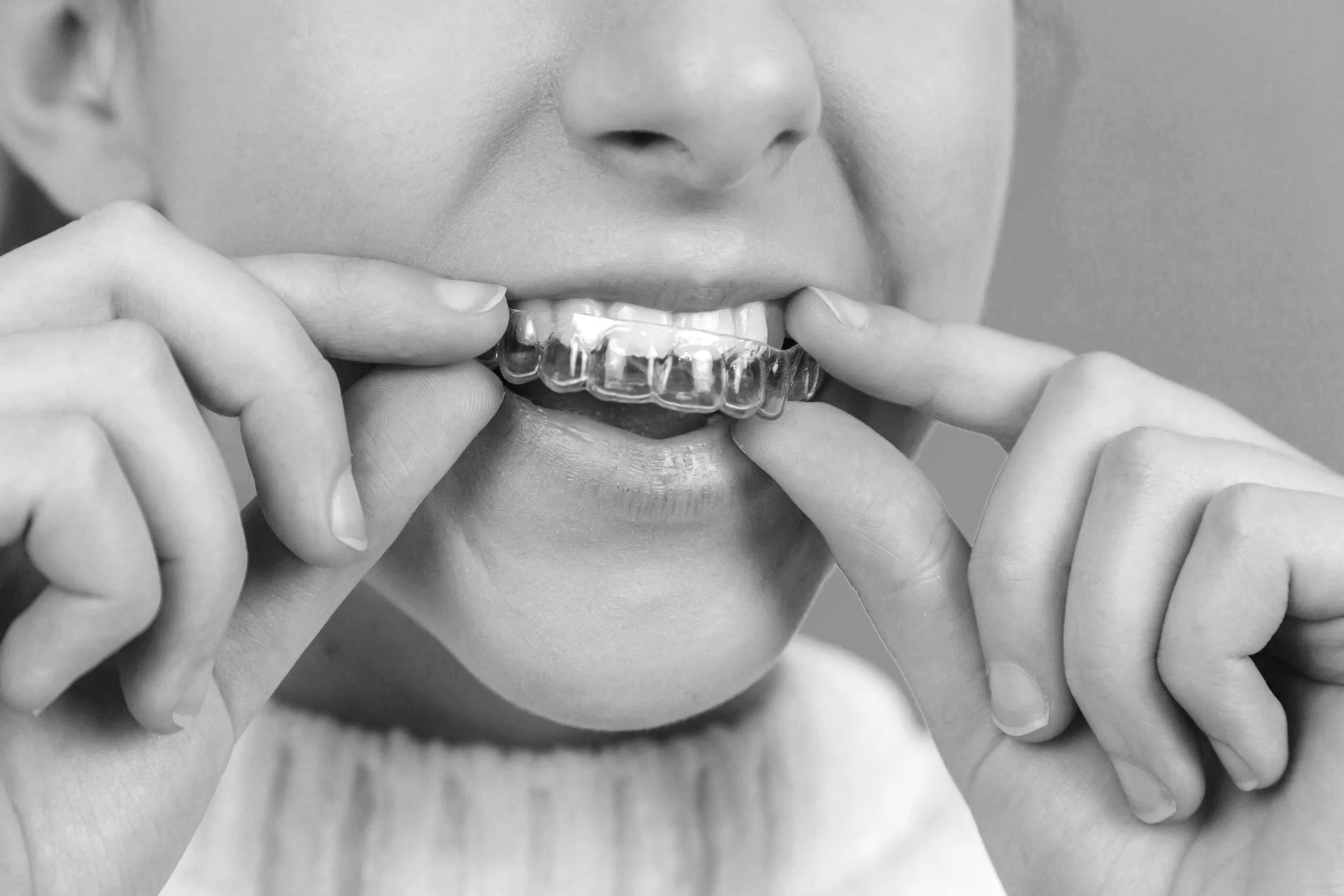
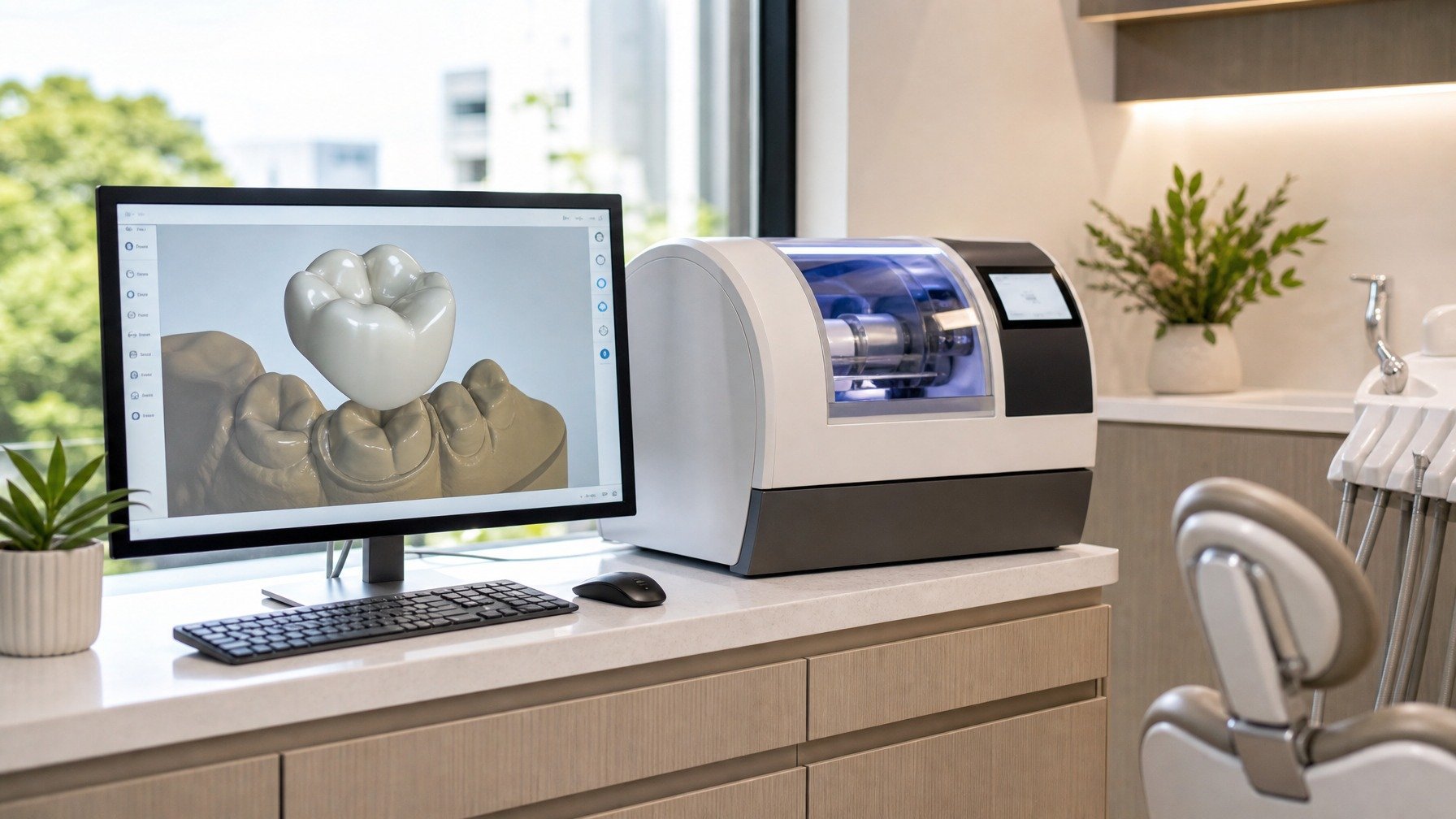
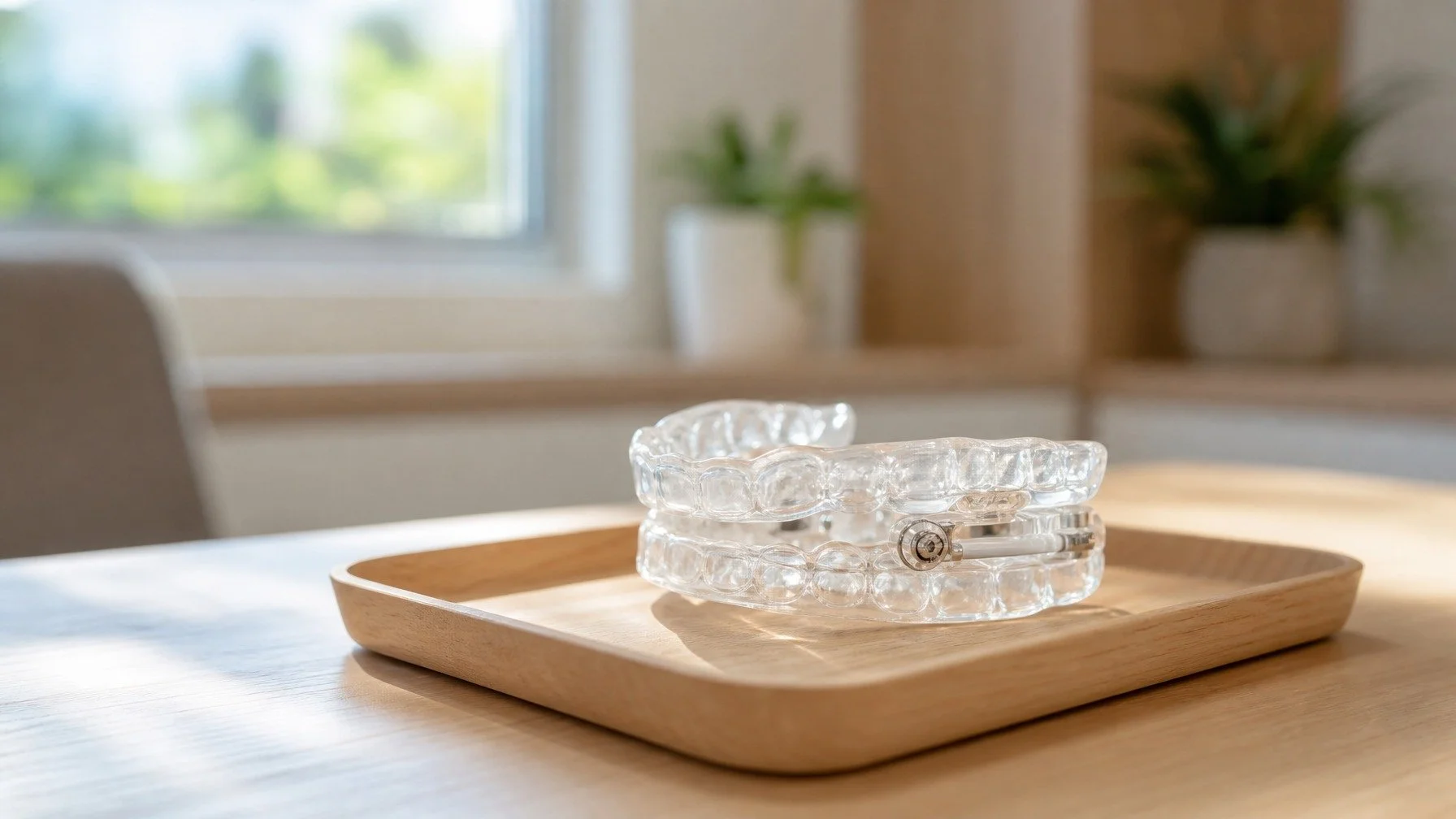
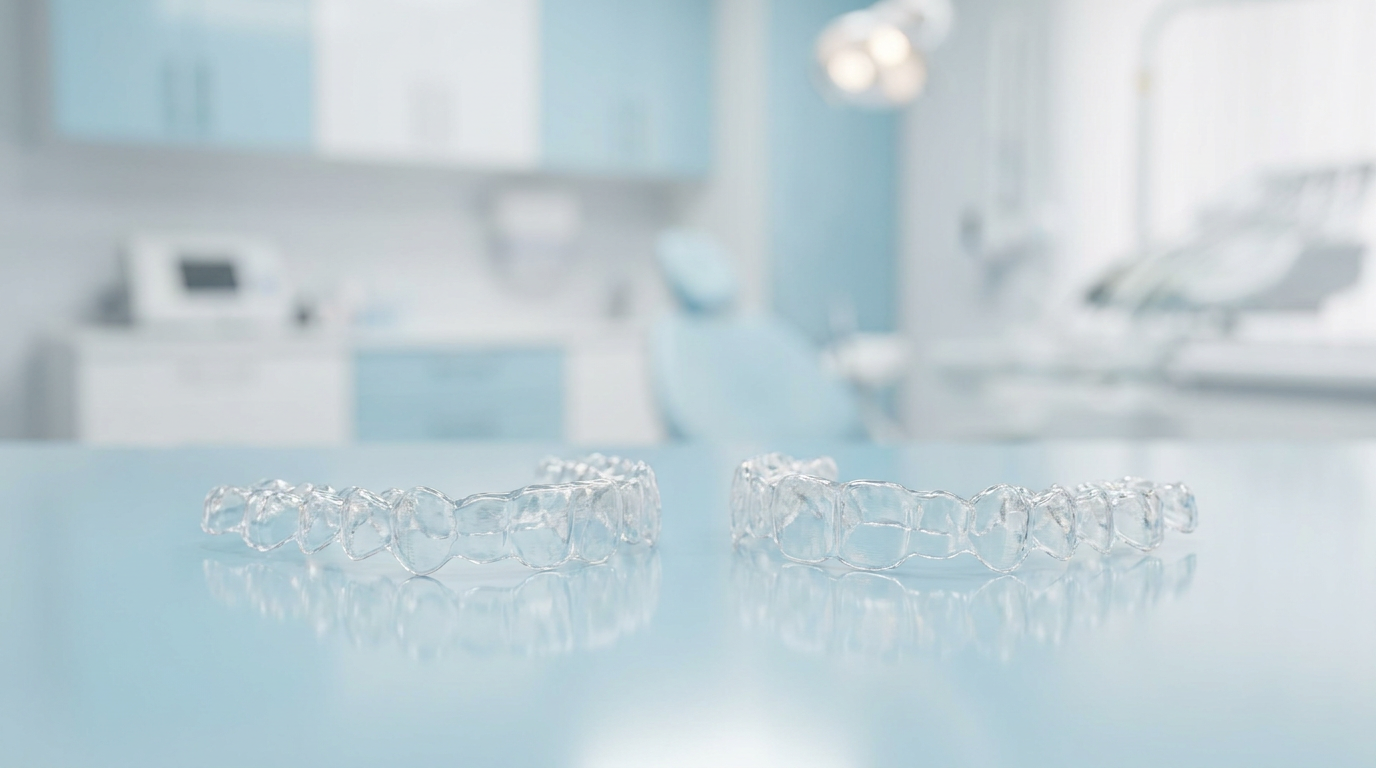
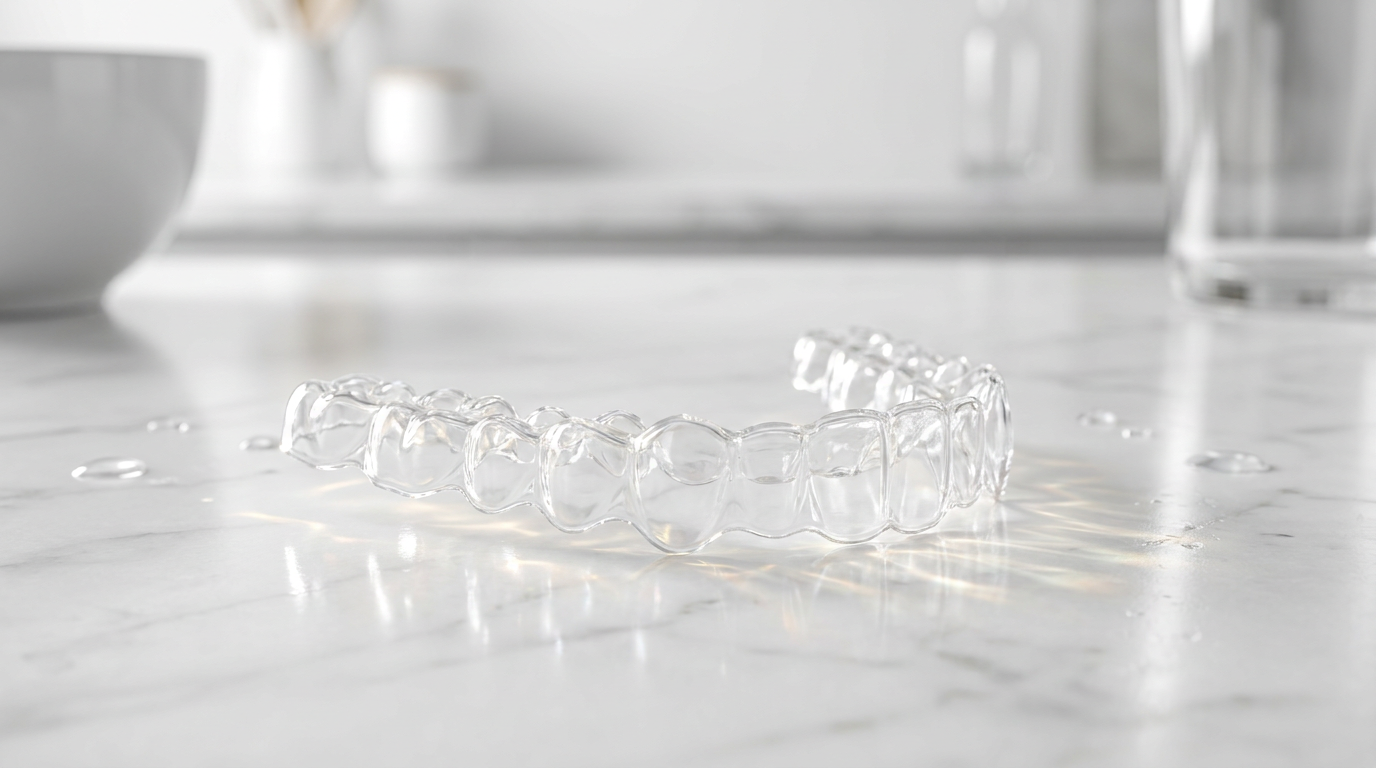
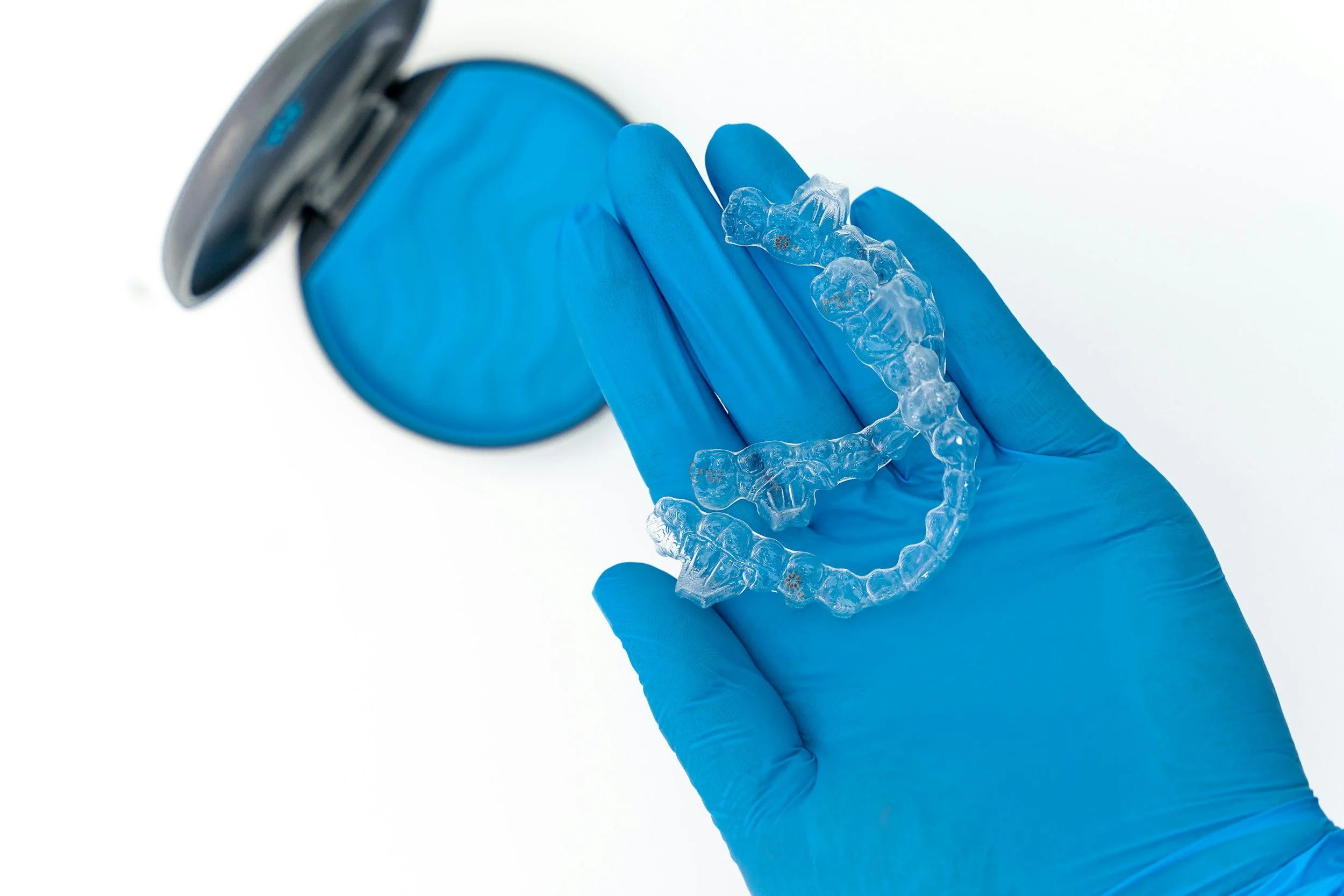
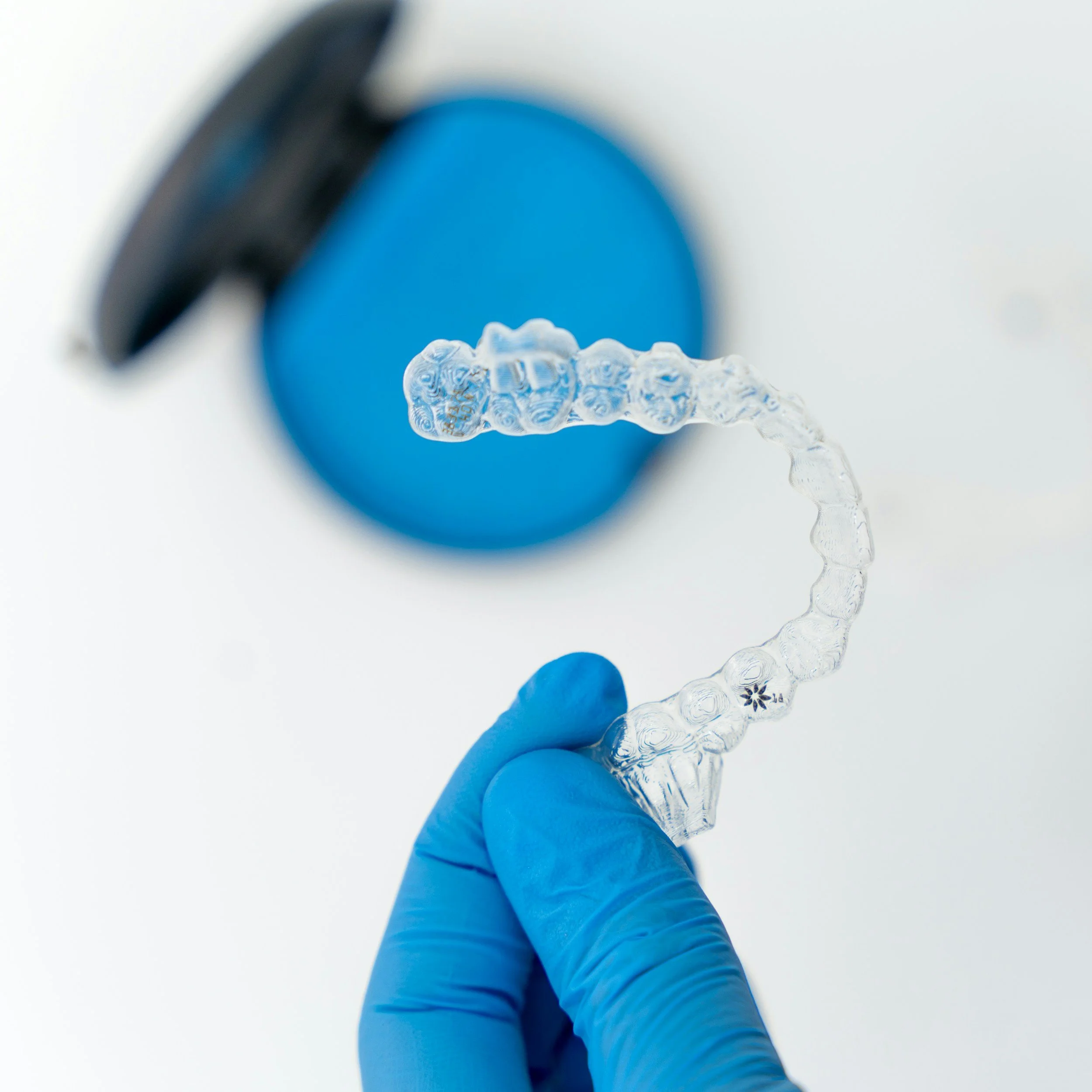
Invisalign is a clear aligner system that uses a series of custom-made, removable trays designed to gradually move teeth into a planned position. Treatment is digitally planned and monitored over time, with aligners changed in stages.
Because aligners are removable, you can brush and floss normally, but you also need to be consistent with wear time and cleaning routines for treatment to stay on track.
How straightening teeth can support oral health
1. Oral hygiene can become simpler when crowding improves
Crowded or overlapping teeth can create tight areas where plaque builds up more easily, simply because access is harder. Straightening can make brushing and flossing more effective for many people, especially once teeth are better aligned.
It is also worth saying this clearly: research on whether crowding directly causes dental decay is mixed, and a systematic review found no high-quality evidence confirming a causal link.
Even so, anything that makes cleaning easier is usually a practical win in day-to-day life.
2. Clear aligners can be friendlier to gums than fixed braces for some people
A key oral-health advantage of aligners is removability. If you are diligent, you can keep plaque levels lower compared with fixed appliances that are harder to clean around. Reviews comparing clear aligners and fixed appliances have reported better periodontal indices with aligners in many studies.
This is not a guarantee, and it depends heavily on compliance. But it is a strong and relevant point for patients who care about gum health.
3. Bite improvements can reduce uneven wear in certain cases
A misaligned bite can contribute to uneven tooth wear or chipping for some people. In suitable cases, orthodontic correction may help distribute biting forces more evenly.
This is always case-dependent. Some bites need comprehensive planning, and clear aligners are not ideal for every complex situation.
The part people underestimate: Invisalign can raise risk if hygiene slips
Aligners cover teeth for much of the day. If sugars, acids, or food residue are trapped under them, it can increase the chance of plaque build-up, bad breath, or cavities.
This is why the non-negotiables are:
remove aligners for meals and anything other than water
brush and floss after eating, or at least rinse and clean as soon as you can
clean aligners daily (not just a quick rinse)
Orthodontics Australia recommends cleaning aligners regularly, including rinsing under lukewarm water and cleaning them when you brush your teeth.
A review of aligner cleaning protocols also notes that combining cleaning methods can reduce bacterial levels on aligners.
Invisalign and gum health: what good looks like
If your gums are healthy, they should look and feel:
pale pink (not red or swollen)
not bleeding when brushing or flossing
no persistent bad taste or odour
During aligner treatment, gum irritation can happen if hygiene is inconsistent or if aligners are not cleaned properly. If you are getting frequent bleeding gums, it is usually a sign to tighten routines and book a check-up and clean.
What Invisalign can treat, and when other options may be better
Clear aligners can be effective for many mild to moderate alignment issues, and are a popular choice for adults and teens.
For more complex movements, fixed appliances may provide better control and finish in some cases.
The right option depends on your bite, goals, timeframe, and what is realistic for your specific case.
A practical Invisalign routine that protects your teeth and gums
Use this as a daily checklist:
Wear aligners consistently as directed by your clinician
Remove aligners for meals and sugary drinks
Brush and floss after eating before reinserting aligners
Rinse aligners under lukewarm water when you remove them
Clean aligners daily, gently, and avoid damaging heat
Keep regular dental appointments during orthodontic treatment
Do not ignore signs like bleeding gums, persistent sensitivity, or bad breath
Follow your retention plan at the end of treatment, because teeth can move back without retainers
Next step at Dentist In The Park
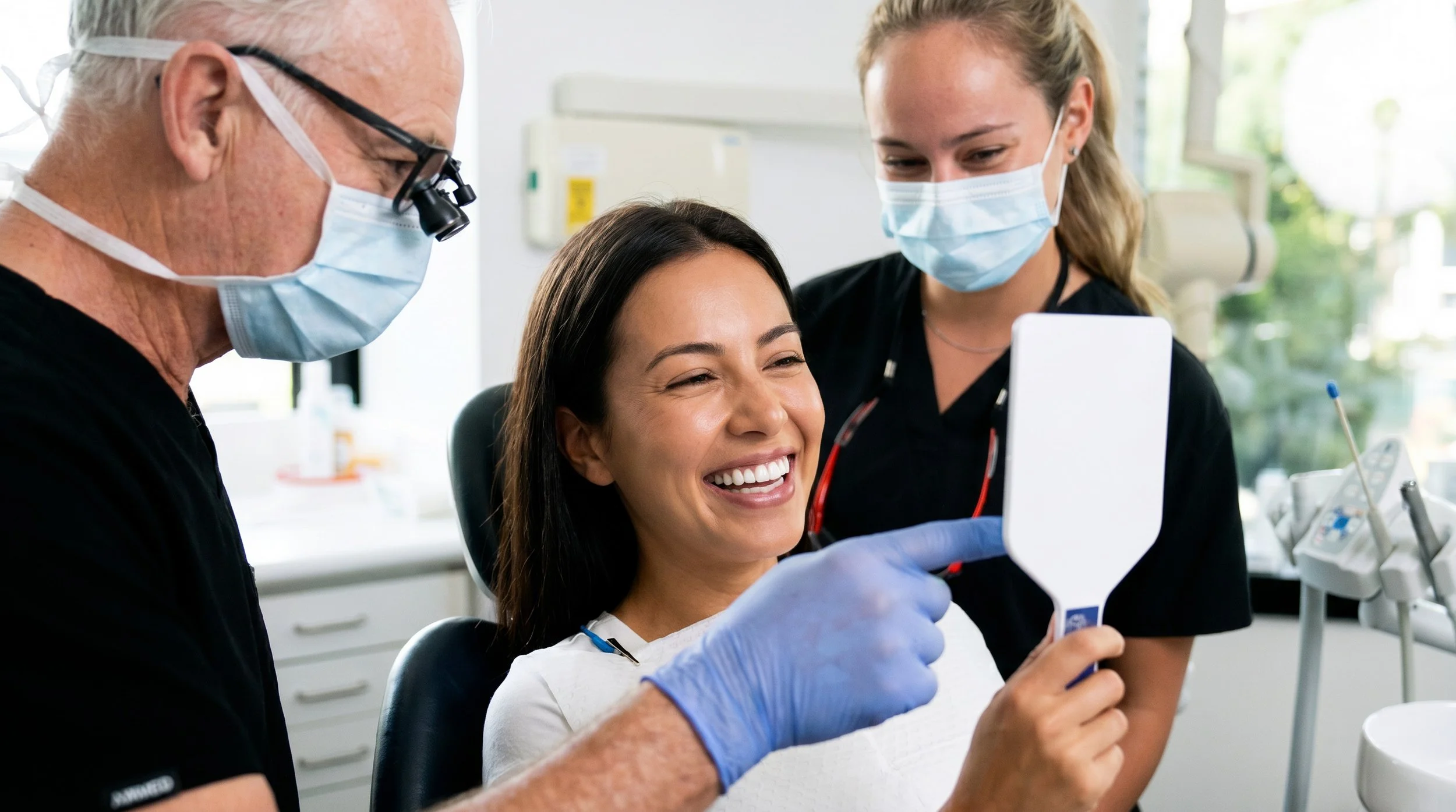
If you are considering Invisalign, the most helpful first step is a proper assessment of:
gum health
crowding and bite position
whether aligners are suitable for your goals and timelines
We offer a complimentary consultation to discuss your options and what a realistic plan looks like. For version one of the new site, all calls to action route to the Contact Us page. You can also call the practice on (02) 9389 2570.
FAQs
Can Invisalign improve oral health, or is it purely cosmetic?
Invisalign is commonly chosen for aesthetics, but straighter teeth can also make brushing and flossing easier, which can support gum health. Research comparing clear aligners with fixed braces has reported better periodontal measures in many studies, likely because aligners are removable and easier to clean around. The benefit depends on consistent hygiene and wearing aligners as directed.
Do clear aligners increase the risk of cavities?
They can if hygiene slips. Aligners cover the teeth for much of the day, so trapped sugars and plaque can do more damage if you do not brush, floss, and clean aligners properly. A consistent routine is the best protection.
How do I keep my aligners clean without damaging them?
Clean aligners daily by rinsing them under lukewarm water; avoid hot water, which can warp the plastic. Orthodontics Australia recommends cleaning aligners regularly as part of your normal brushing routine.
Other helpful articles