Teeth Whitening, Veneers or Bonding - Which Option Is Right for Your Smile?
If you are considering a smile upgrade, three of the most common cosmetic options are teeth whitening, dental veneers, and composite bonding. Each can be excellent in the right situation, but they solve different problems, and choosing the wrong one can lead to frustration, uneven colour, or results that do not last as long as you hoped.
This guide explains what each option can realistically do, how they compare, and a sensible way to decide, especially if you are looking for cosmetic dentistry near Bondi Junction.
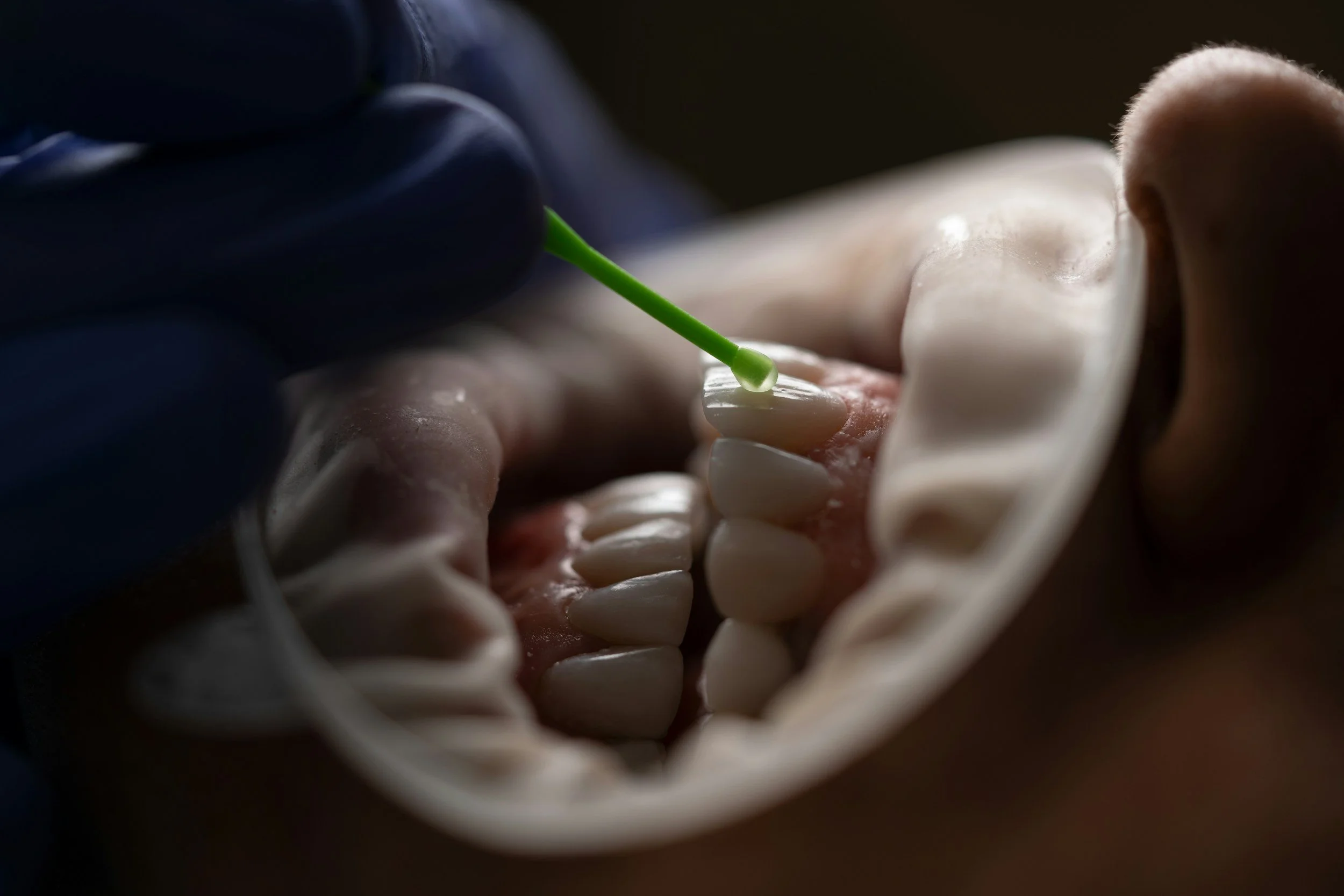
Start with the foundations first
Before any cosmetic work, the best starting point is usually a check-up and professional clean. It helps confirm that staining is not caused by untreated decay, gum disease, or failing fillings. It also gives a reliable baseline so you can choose the most conservative treatment that achieves the result you want.
If you have sensitive teeth, cracks, gum recession, or untreated dental issues, that can influence whether whitening is recommended, and whether bonding or veneers will last as planned.
Option 1 - Professional teeth whitening
What it does
Whitening uses peroxide-based gels to lighten natural tooth structure. It is typically best for general discolouration from ageing, food and drink stains, or a dull overall shade.
What it cannot do (this is the big one)
Whitening does not change the colour of crowns, veneers, or fillings. If you have visible dental work on front teeth, whitening can make the natural teeth lighter while restorations stay the same, creating a mismatch.
Who whitening tends to suit
You mainly want a brighter shade, and tooth shape is already fine
You want a more conservative option before considering veneers
You are happy with periodic top-ups if staining returns over time
Safety and supervision
Tooth sensitivity and gum irritation are the most common side effects, and they are usually temporary. Higher peroxide strength and longer contact time increase the chance of sensitivity.
In Australia, the Dental Board of Australia provides guidance on using and supplying higher concentration whitening products, which is part of why professional supervision matters.
Option 2 - Composite bonding
What it is
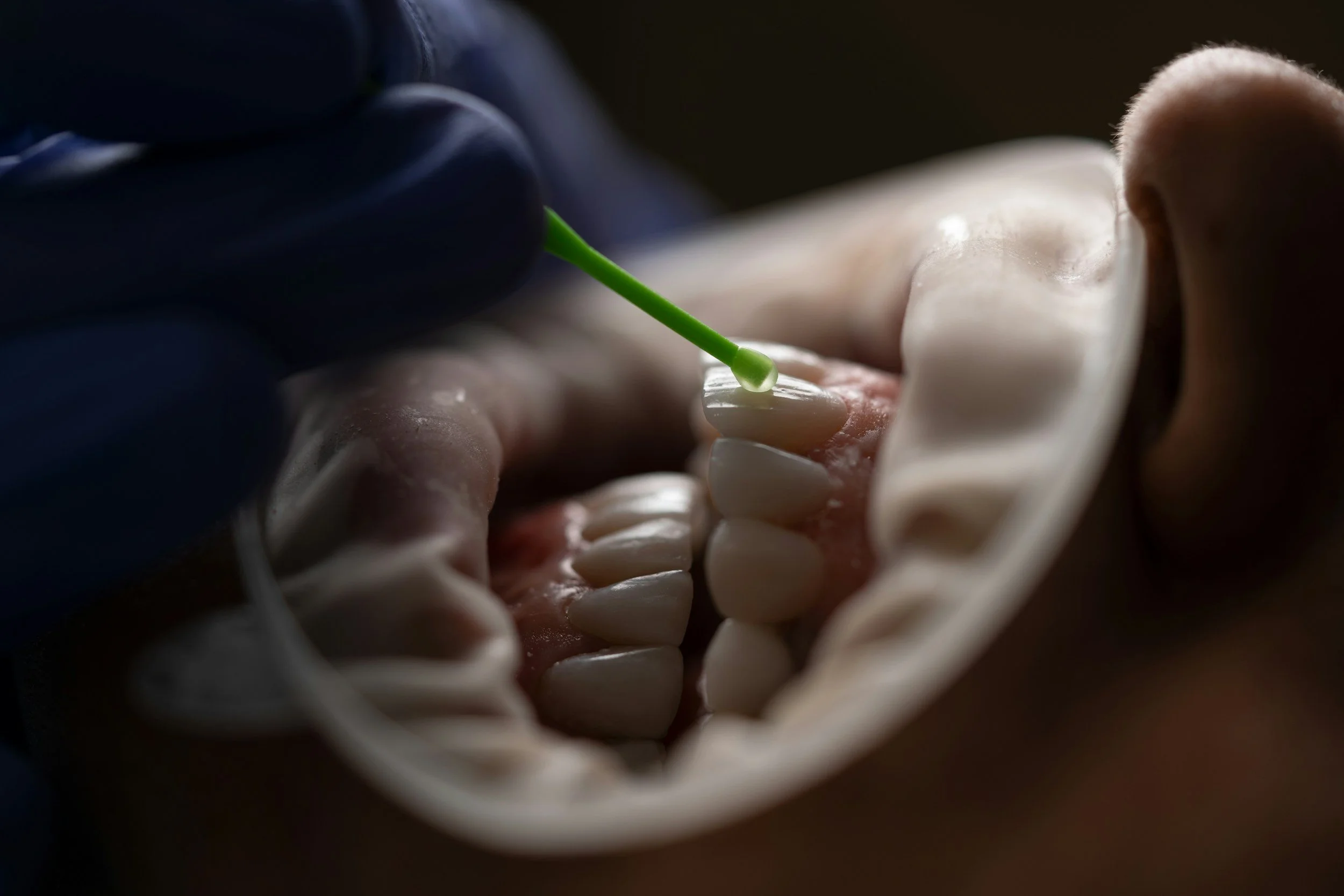
Composite bonding uses tooth-coloured resin (similar to white fillings) to reshape or mask small imperfections. It is commonly used to:
repair small chips
close small gaps
smooth uneven edges
improve the look of a single discoloured tooth when whitening is not enough
Why people choose it
Bonding is usually conservative and can often be completed quickly compared with porcelain veneers. It is also repairable if a small area chips.
Limitations to know upfront
Composite materials can stain and wear over time, and may need polishing or touch-ups. Longevity depends on bite forces, habits (like nail biting), and staining exposures. Broad evidence on composite resin restorations shows good survival over years, but maintenance and replacement are a normal part of the lifecycle for resin-based work.
Option 3 - Dental veneers
What veneers do
A veneer is a thin shell bonded to the front surface of a tooth to improve colour, shape, or minor alignment issues. Veneers can be made from porcelain or composite resin.
When veneers are usually considered
Teeth are deeply stained and whitening will not give the shade you want
You want to change shape, length, or symmetry
You have multiple front teeth with chips, wear, or uneven edges
You want a more stain-resistant surface than composite in many cases (depending on material choice and habits)
Key considerations
Veneers are planned carefully so they look natural and sit well with your bite. In some cases, a small amount of enamel is modified to allow the veneer to fit properly. Veneers still need good home care and regular check-ups, and they can chip or need replacement in the future.
A simple decision guide
Whitening can be a great first step if:
your main issue is overall shade and natural teeth are the focus
you have minimal visible fillings, crowns, or veneers at the front
Bonding can be a better fit if:
you want to fix one or two localised issues (chip, gap, uneven edge)
you want a conservative change and accept that touch-ups may be needed
Veneers can make more sense if:
you want consistent colour and shape changes across multiple front teeth
staining, wear, or shape issues are more significant than whitening can address
Can you combine whitening, bonding, and veneers?
Yes, and in many cases the best results come from combining them in the right order.
A common sequence is:
Check-up and clean
Whitening natural teeth (if suitable)
Replace or colour-match any front fillings, then consider bonding or veneers where needed
The reason for whitening early is simple: restorations do not whiten, so you generally want to brighten the natural teeth first, then match any new bonding or veneers to the final shade.
Next steps at Dentist in the Park
If you are unsure which option suits your smile, a plan is usually easiest when it is based on a proper assessment of tooth health, gum health, existing dental work, and your goals.
We offer a complimentary consultation so you can:
understand which options are realistic for your teeth
learn the likely sequence and maintenance expectations
avoid mismatched colours between natural teeth and existing restorations
To get started, head to the Contact Us page or call the practice on (02) 9389 2570.
FAQs
Is teeth whitening safe?
Teeth whitening is generally considered safe when used correctly, and the most common side effects are temporary tooth sensitivity and gum irritation. The risk increases with stronger products and longer wear time, which is why dentist supervision can make the process safer and more predictable.
Can I whiten my teeth if I already have veneers or fillings?
You can whiten natural teeth, but whitening will not change the colour of veneers, crowns, or fillings. That can lead to uneven shade, especially in the smile zone. In many cases, the best approach is to plan whitening first, then colour-match any new restorations afterwards.
What is the difference between bonding and veneers?
Bonding uses tooth-coloured resin applied directly to the tooth to repair or reshape small areas. Veneers are thin shells bonded to the front surface of teeth, usually used when you want broader changes in colour and shape across one or more teeth. Both need good maintenance, and both can require repairs or replacement over time.
Other helpful articles