Children’s Dentist in Bondi Junction - First Visits, Prevention and Nervous Kids
A child’s first experiences at the dentist tend to shape how they feel about it for life.
Get those early visits right, and most children grow up treating the dentist as a normal, even enjoyable, part of looking after themselves. Get them wrong, and the anxiety can follow them well into adulthood. I see both versions in my chair, and the difference usually comes down to how calmly and early it all started.
The first thing I usually explain to parents is this: children’s dentistry is mostly about prevention and confidence, not drilling and filling. The earlier we start, the less treatment most children ever need.
At Dentist In The Park in Bondi Junction, we have looked after Eastern Suburbs families for over 35 years, often across several generations. This article explains when to start, what happens at a child’s visit, how to prevent decay at home, and how we help nervous kids feel comfortable.
Short answer: when should my child first see a dentist?
Most guidance suggests a child's first dental visit should happen when the first tooth appears or by around their first birthday, and then regularly after that. Early visits are short, gentle and mostly about familiarisation, checking development and giving parents prevention advice. Starting young helps prevent decay and builds a positive attitude to dental care that lasts.
When to start, and why early matters
Parents are often surprised by how early the first visit is recommended. The Australian Dental Association encourages a first dental visit when the first tooth appears or by around 12 months of age.
There are two reasons early visits matter. First, baby teeth can decay, and decay in young children is common and largely preventable. Second, early visits are about familiarisation. A small child who has sat in the chair a few times, with nothing uncomfortable happening, is far more relaxed when a real check-up is needed.
Baby teeth also matter more than people think. They hold space for the adult teeth, help with eating and speech, and early loss to decay can affect how the adult teeth come through. Looking after them is not optional.
What happens at a child's dental visit
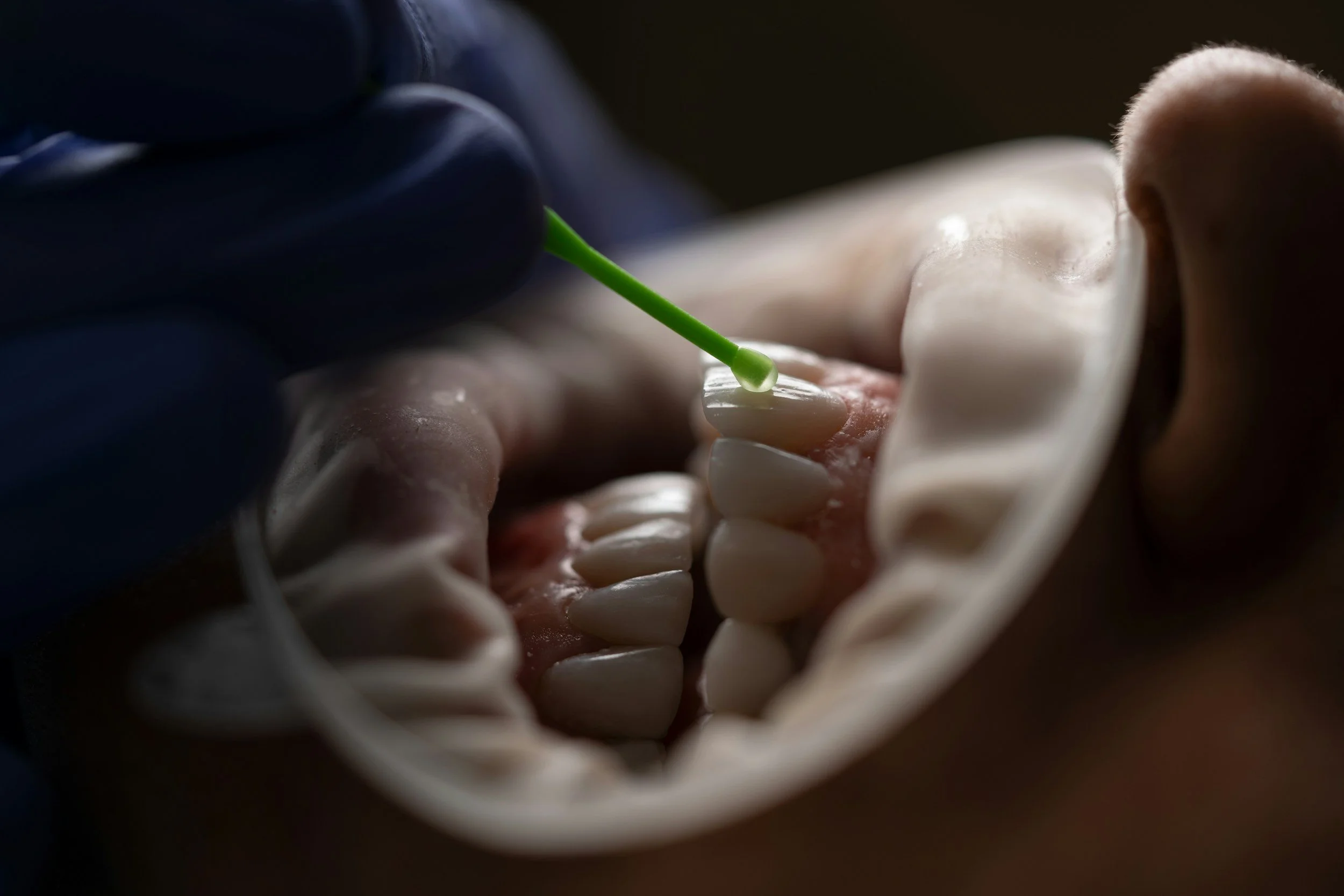
A young child's visit is short and gentle. It usually involves a ride in the chair, a count of the teeth, a look at how the teeth and jaws are developing, and a chat with parents about brushing, diet and habits.
For older children, visits look more like a standard check-up, with a clean, a check for decay, and advice tailored to their stage, including the mixed period when baby and adult teeth are both present.
We keep the language friendly and the pace relaxed. A bit of humour goes a long way with kids, and we never want a child's first memory of the dentist to be a rushed or frightening one.
Preventing decay at home
Most childhood decay is preventable, and the basics make the biggest difference. Practical steps that work include:
Brushing twice a day with a fluoride toothpaste appropriate for your child's age
Helping or supervising brushing until children can do it well themselves, usually around school age
Cleaning between the teeth once they sit closely together
Keeping sugary foods and drinks to mealtimes rather than grazing
Choosing water as the main drink, rather than juice or soft drink
Healthdirect notes that using fluoride toothpaste and limiting sugary foods and drinks are key ways to help prevent tooth decay in children. The grazing pattern matters as much as the total amount, because frequent sugar exposure gives teeth less time to recover between meals.
A particular caution for little ones: avoid putting a baby to bed with a bottle of milk or juice, as prolonged contact with sugars overnight is a common cause of early childhood decay.
Helping nervous children
Some children are naturally anxious, and that is completely normal. The goal is never to force a frightened child through treatment, because that usually makes the fear worse.
We use a gentle, step-by-step approach, plenty of explanation in child-friendly language, and short positive visits to build trust. For children who need a little extra help with eligible procedures, comfort-focused options such as nitrous oxide, often called happy gas, can be discussed.
Parents help enormously here too. Speaking about the dentist in calm, positive terms, and avoiding words like pain or needle at home, makes a real difference to how a child arrives.
Common questions parents ask
A few topics come up again and again.
Thumb sucking and dummies are normal in young children and usually stop on their own. If the habit continues as the adult teeth come through, it is worth a conversation, because prolonged habits can affect tooth and jaw development.
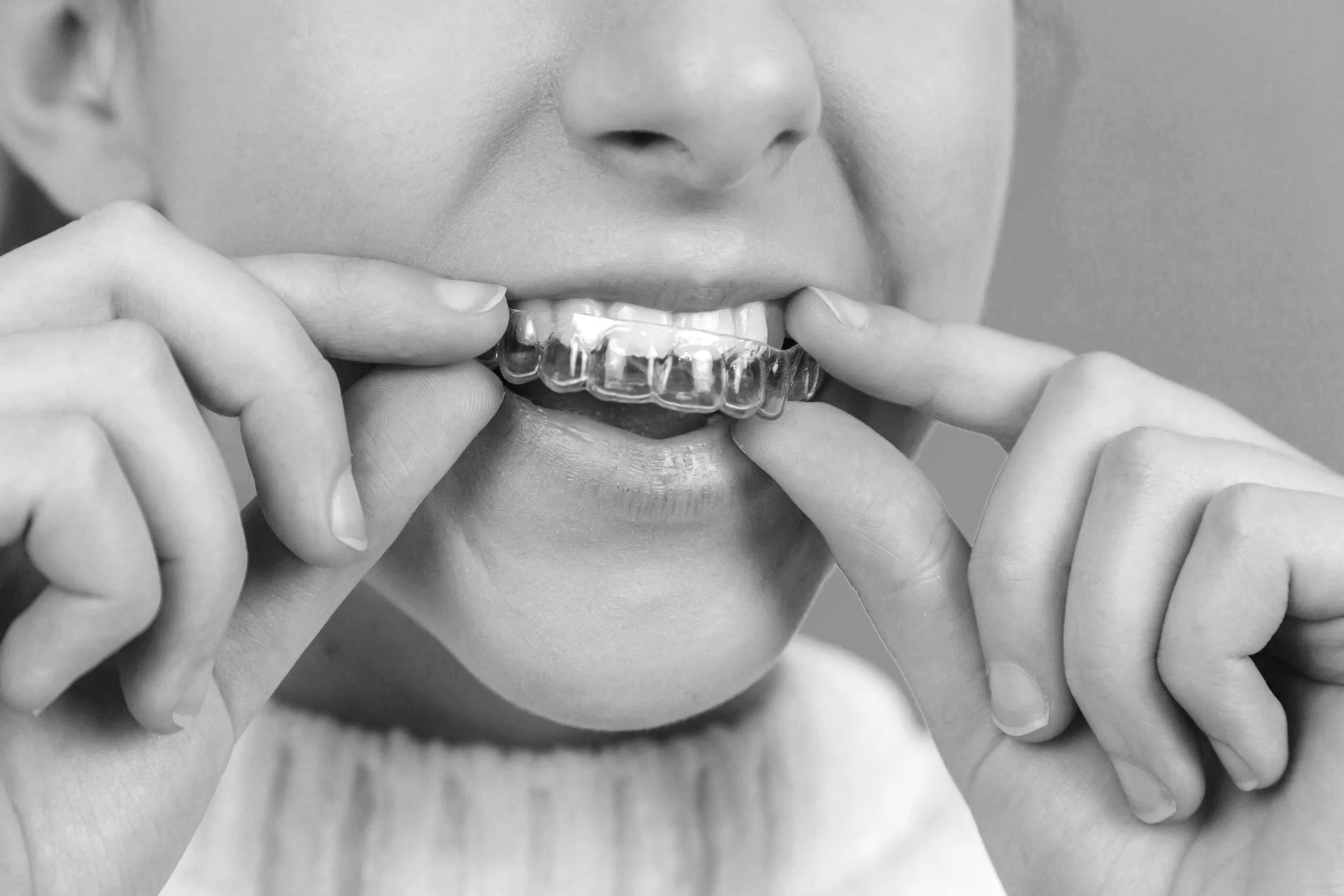
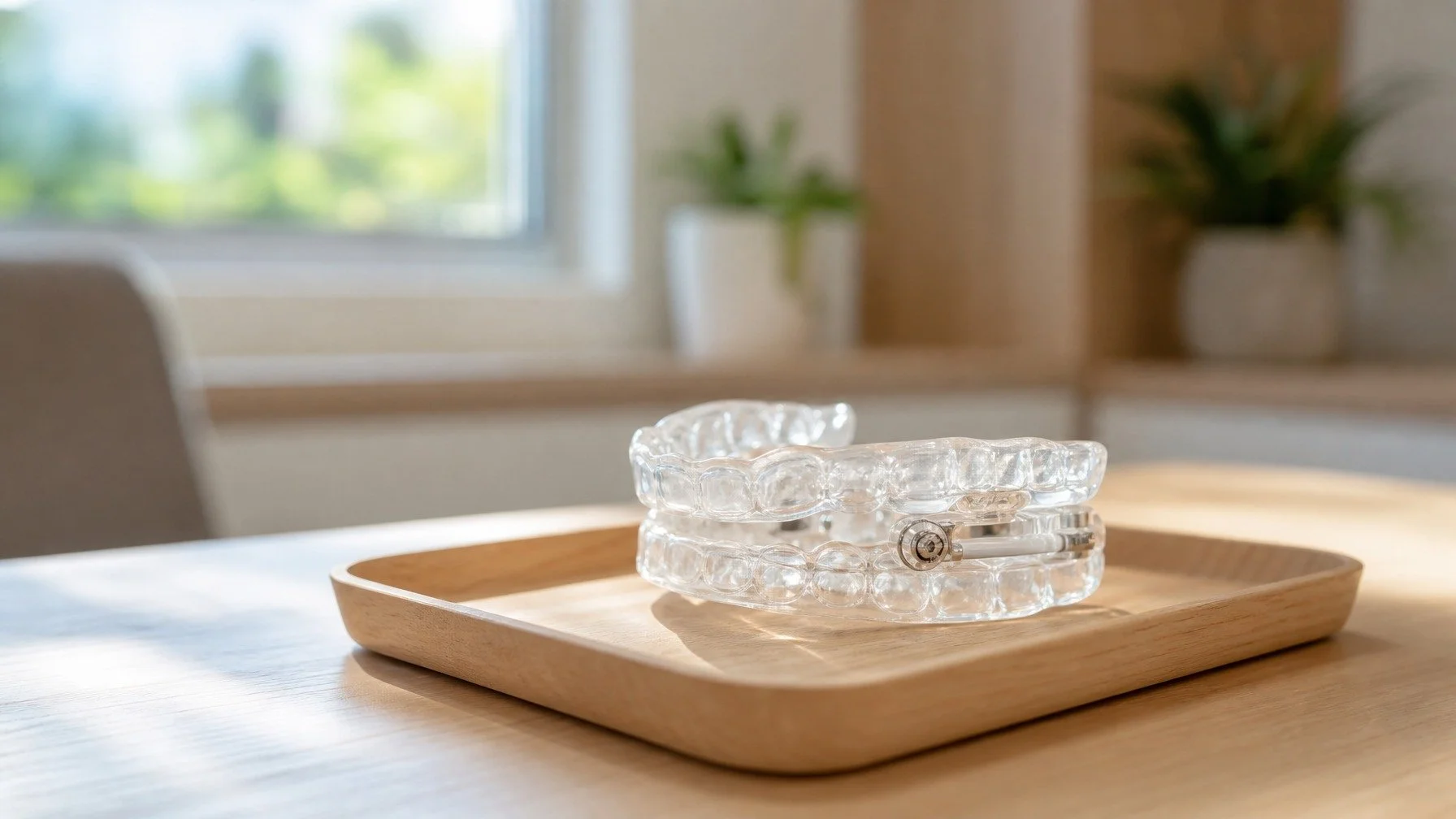
Sports and playground injuries are common in this age group. For active kids, a custom mouthguard is worth considering, and if a tooth is knocked out or broken, treat it as urgent and contact us straight away.
When the adult teeth start coming through, we keep an eye on how they are developing and the bite. If orthodontic treatment may help later, early monitoring means we can time any treatment well.
The Child Dental Benefits Schedule
Cost is a real consideration for families, and many parents do not realise their child may be eligible for help.
The Child Dental Benefits Schedule is an Australian Government scheme that provides eligible children with a capped amount of benefits for basic dental services, such as examinations, cleans, fillings and X-rays, over a set period. Services Australia administers the scheme and sets the eligibility rules.
Eligibility depends on age and family circumstances, and the rules can change, so the best approach is to check your child's eligibility with Services Australia or ask our team, who can help you understand how it applies to a visit.
My approach to children's dentistry
When I see a child, my priorities are simple. Keep it positive, focus on prevention, and only treat what genuinely needs treating.
I would much rather invest a few calm visits in a young child's confidence and prevention than meet them later when a problem and a fear have both grown. The families who have been with us across generations are usually the ones who started early and kept it relaxed.
Good children's dentistry is quiet, preventive and unremarkable, and that is exactly the point.
Request a Children's Dental Visit in Bondi Junction
If it is time for your child's first visit, or their next check-up, the best next step is a relaxed appointment so we can check their teeth, support their development and give you practical prevention advice. I am happy to explain what to expect, how we help nervous children, and whether your child may be eligible for the Child Dental Benefits Schedule.
FAQs
When should my child first visit the dentist?
The Australian Dental Association encourages a first visit when the first tooth appears or by around 12 months of age, then regular visits after that. Early visits are gentle and help prevent problems and build confidence.
Are baby teeth really that important?
Yes. Baby teeth help with eating and speech and hold space for the adult teeth. Decay in baby teeth can cause pain and infection and can affect how the adult teeth come through, so they are worth looking after.
How do I prevent tooth decay in my child?
Brush twice daily with an age-appropriate fluoride toothpaste, supervise brushing until your child can do it well, keep sugary foods and drinks to mealtimes, and choose water as the main drink. Healthdirect highlights fluoride toothpaste and limiting sugar as key prevention steps.
How can I help my anxious child at the dentist?
Start early with short, positive visits, speak about the dentist in calm and positive terms at home, and let us use a gentle, step-by-step approach. For eligible procedures, comfort options such as happy gas can be discussed.
What should I do if my child knocks out or breaks a tooth?
Treat it as urgent and contact us straight away. Do not try to reinsert a knocked-out baby tooth, as this can damage the developing adult tooth; instead, call us for advice.
Is my child eligible for free or subsidised dental care?
Your child may be eligible for the Child Dental Benefits Schedule, an Australian Government scheme that provides eligible children with capped benefits for basic dental services. Eligibility rules are set by Services Australia, so check with them or ask our team.
When should I worry about thumb sucking?
Thumb sucking and dummies are normal in young children and usually stop on their own. If the habit continues as the adult teeth come through, mention it to us, as prolonged habits can affect tooth and jaw development.
Which areas does Dentist In The Park service?
We care for families across Bondi Junction and the Eastern Suburbs of Sydney, including Bondi, Bondi Beach, Waverley, Woollahra, Double Bay, Rose Bay and Vaucluse.
Other helpful articles