Teeth Whitening in Bondi Junction - What Works, What Lasts and What to Expect
Teeth whitening is one of the most common cosmetic questions I am asked about.
Some people want to brighten their smile before an event. Others have noticed their teeth slowly darkening over time. Some have tried whitening toothpaste or supermarket kits and are frustrated that the result was uneven, short-lived or uncomfortable.
The first thing I usually explain is this: teeth whitening can be very effective for the right person, but it is not a magic treatment and it does not work the same way for everyone.
The best whitening plan depends on why the teeth are discoloured, whether the teeth and gums are healthy, whether there are fillings, crowns or veneers in the smile, and how sensitive the teeth are before treatment begins.
At Dentist In The Park in Bondi Junction, whitening is part of our broader cosmetic dentistry approach. We look at colour, tooth health, gum health, bite, existing dental work and your goals before recommending a path forward. The practice’s cosmetic dentistry page also positions whitening alongside bonding, veneers, aligners and restorative options, because whitening is often one part of a wider smile plan.
What teeth whitening actually does
Teeth whitening is the process of lightening the colour of natural teeth. The Australian Dental Association’s oral health site explains that teeth whitening aims to lighten tooth colour, and that dentist-led whitening may involve either in-chair or take-home treatments.
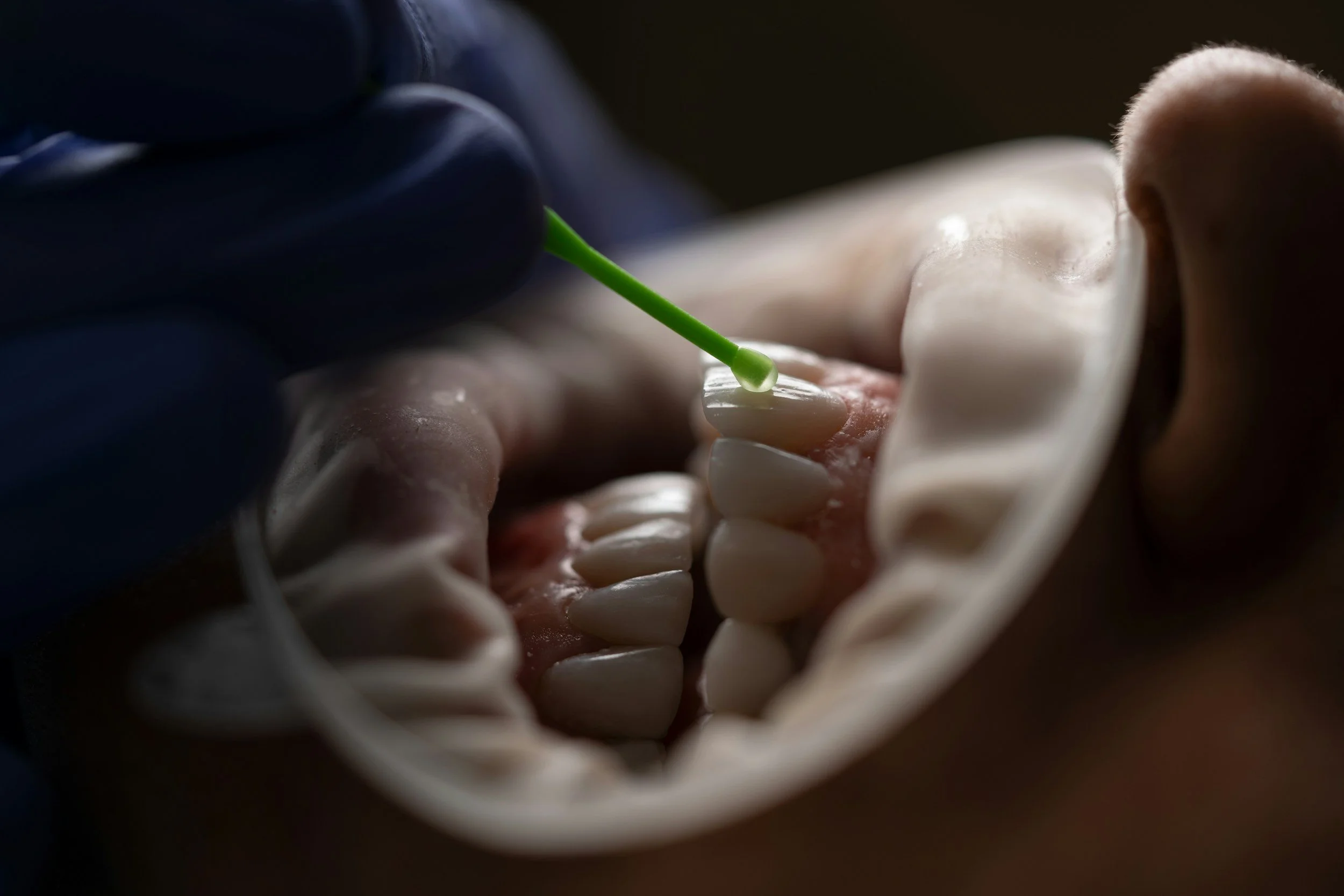
Most professional whitening works by using whitening gels that chemically treat the teeth. These gels act on natural tooth enamel and the deeper colour within the tooth structure.
That is why a proper assessment matters. If the concern is surface stain, a professional clean may make a big difference before any bleaching is considered. If the concern is the natural shade of the tooth, whitening may be suitable. If the concern is old fillings, crowns, veneers or deep internal discolouration, whitening may not be the right first step.
Why teeth become darker over time
Teeth can darken for many reasons. In practice, the common ones include:
Coffee, tea and red wine
Smoking or vaping
Age-related colour changes
Plaque and tartar build-up
Thin enamel showing more of the underlying dentine
Old fillings or restorations
Past trauma to a tooth
Certain medications or developmental enamel changes
Not all staining responds the same way. Surface stain may improve with professional cleaning. Natural yellowing may respond well to whitening. A single dark tooth may need a different investigation. Existing restorations may need replacement rather than whitening.
That is why I prefer not to start with “how white do you want to go?” I prefer to start with “why are the teeth this colour?”
Professional whitening versus supermarket products
There are many whitening products on shelves, including strips, toothpastes, pens and LED kits. Some may help with light surface staining, but they do not replace a dental assessment.
Healthdirect states that if you are considering teeth whitening, you should consult a dental professional to see if your teeth are suitable. It also notes that whitening is not recommended if you are pregnant or breastfeeding, have sensitive teeth, gum disease, cracks or holes in your teeth, or untreated dental problems.
The Dental Board of Australia also provides clear rules around stronger whitening products. Australian laws mean only registered dental practitioners can use or supply high-concentration whitening products over 18% carbamide peroxide or 6% hydrogen peroxide.
That is one of the reasons dentist-supervised whitening is different. It is not just about stronger gel. It is about checking whether whitening is appropriate, protecting the gums, managing sensitivity, and avoiding uneven or unsafe outcomes.
In-chair whitening and take-home whitening
Professional whitening usually falls into two broad categories: in-chair whitening and take-home whitening.
In-chair whitening is performed in the dental clinic. It is usually chosen when someone wants a faster result under clinical supervision.
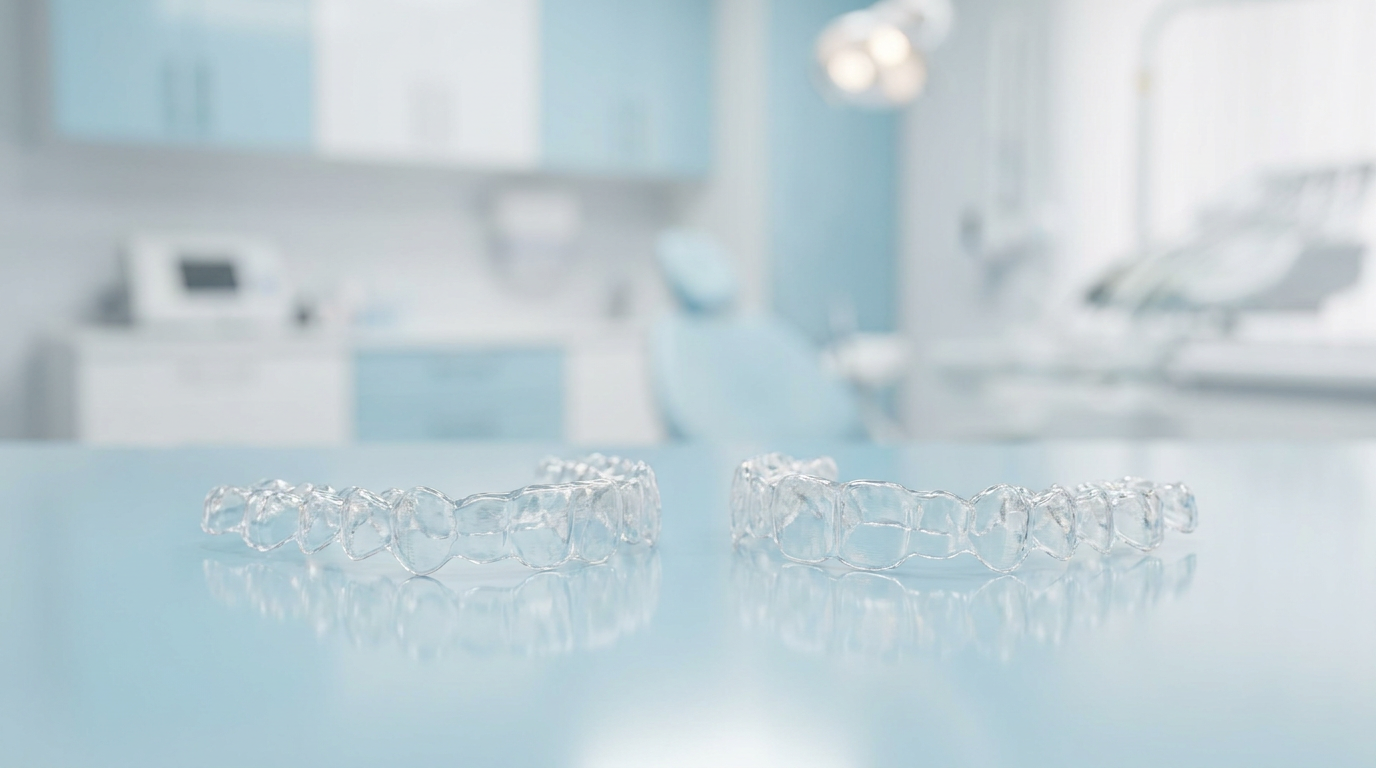
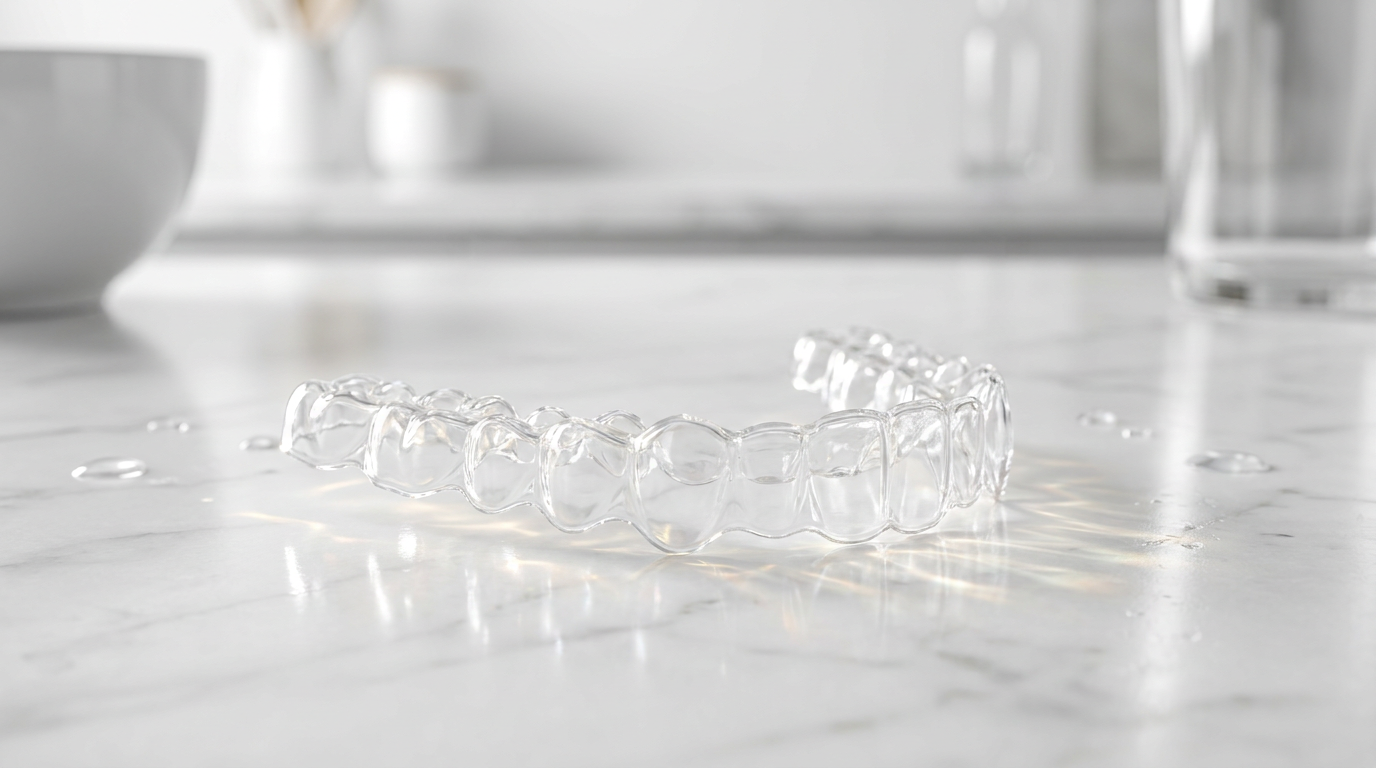
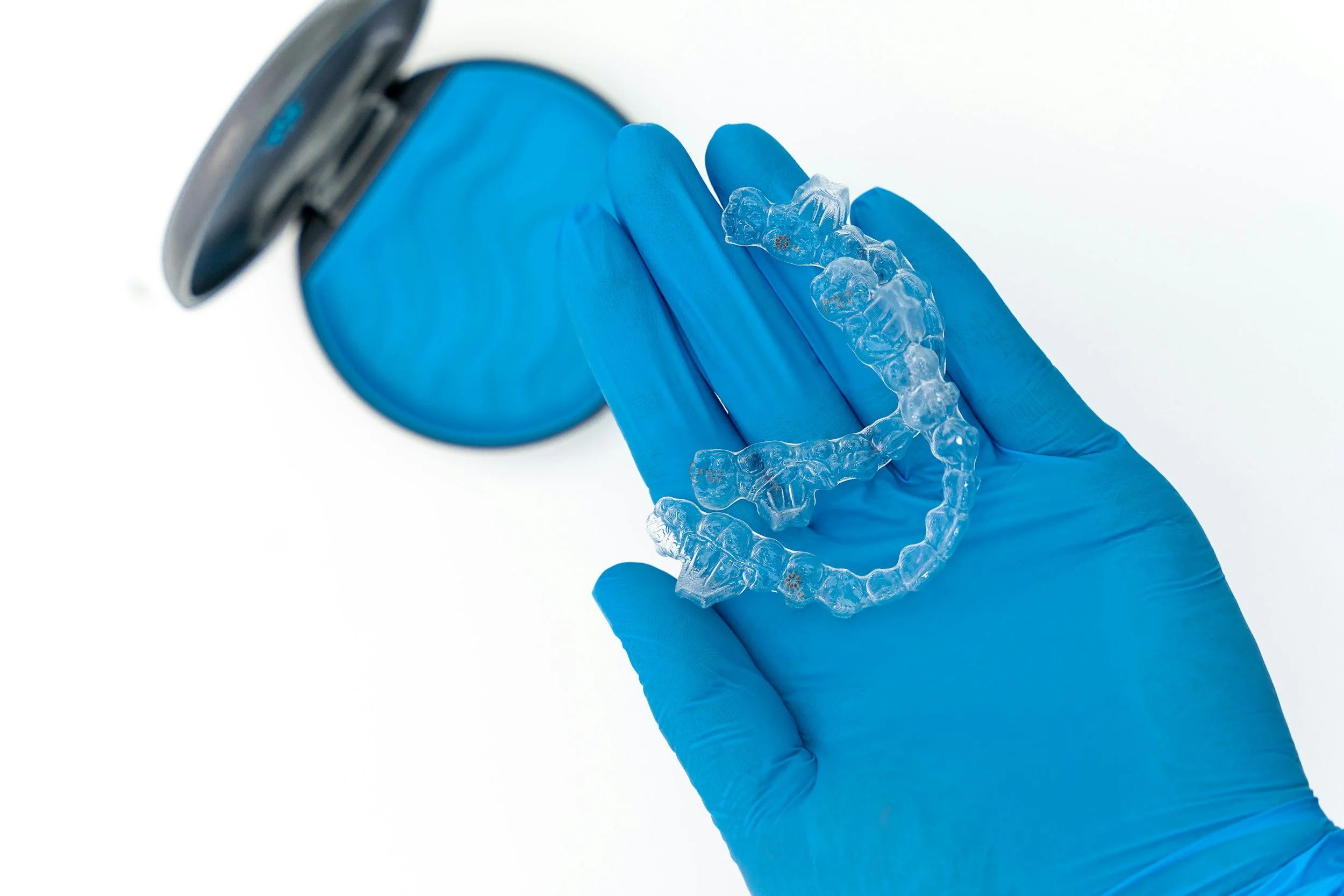
Take-home whitening usually involves custom trays and professional whitening gel used at home according to instructions. It is often more gradual and gives the patient more control over the pace.
The ADA’s oral health information confirms that dentists can provide both in-chair and take-home whitening treatments.
In practice, the better option depends on the patient. Some want a faster approach. Some prefer gradual change. Some have sensitivity and need to go slowly. Some need whitening before bonding, veneers or other restorative work.
What about Zoom teeth whitening?
Patients sometimes ask for a whitening brand by name, including Zoom. I understand that. Brand names become familiar because people hear about them online or from friends.
But from a clinical perspective, the brand is not the first question.
The more important questions are:
Are your teeth suitable for whitening?
Are your gums healthy?
Do you have existing restorations in the smile zone?
Are your teeth already sensitive?
Do you want a fast change or a gradual change?
What shade is realistic for your natural teeth?
If a patient asks about a specific system, I am happy to discuss it. But the recommendation should still be based on the mouth, not the marketing.
Whitening does not change fillings, crowns or veneers
This is one of the most important things to understand before whitening.
Healthdirect states that teeth whitening treatments will not work on teeth with crowns, veneers or fillings. Teeth.org.au also explains that whitening gel only lightens tooth enamel and will not change the colour of porcelain crowns, veneers or composite resin fillings.
This matters because whitening natural teeth can sometimes make old restorations look darker by comparison.
For example, if you whiten the natural teeth but have a visible front filling, that filling may no longer match. In that case, we may need to plan whitening first, then replace or adjust restorations later so the final colour is more even.
This is why sequencing matters in cosmetic dentistry.
Sensitivity and gum irritation
Whitening can cause temporary sensitivity. Healthdirect notes that teeth may be sensitive to cold straight after treatment, and the gums or inside of the mouth may feel irritated. It also advises seeing a dental professional if irritation or sensitivity continues for more than one or two days.
The ADA’s Teeth.org.au page also lists sensitive teeth and chemical burns to the gums as possible risks of teeth whitening.
That does not mean whitening is unsafe for everyone. It means it should be planned properly.
If you already have sensitive teeth, gum recession, cracks, exposed dentine or untreated decay, whitening may make symptoms worse. In those cases, I would rather manage the cause of the sensitivity first than rush into whitening.
Who may be suitable for teeth whitening?
Teeth whitening may be suitable if:
Your teeth and gums are healthy
Your main concern is natural tooth colour
You do not have untreated decay or gum disease
You understand that restorations will not whiten
You are prepared to maintain the result
You have realistic expectations about shade change
It may be less suitable, or need extra care, if:
You have sensitive teeth
You have gum disease
You have cracked teeth
You have holes or untreated dental problems
You are pregnant or breastfeeding
You have multiple visible restorations in the smile area
Healthdirect lists several of these situations as reasons whitening may not be recommended.
How long does whitening last?
Whitening is not permanent. Teeth can darken again over time, especially with coffee, tea, red wine, smoking or heavy staining foods.
Better Health Victoria notes that whitening is not permanent and suggests brushing twice daily, flossing once daily, avoiding smoking and limiting strongly coloured foods and drinks such as black coffee and red wine for longer-lasting effects.
In practical terms, maintenance usually depends on habits.
Someone who drinks black coffee every day will usually need more maintenance than someone who rarely consumes staining drinks. Someone who smokes will usually stain more quickly. Someone with excellent brushing, flossing and regular hygiene visits may hold the result better.
I usually explain whitening as maintenance, not a one-off event.
How to maintain a whiter smile
There are a few simple habits that help whitening last longer:
Brush thoroughly twice a day
Clean between the teeth daily
Keep up with hygiene visits
Rinse with water after coffee, tea or red wine
Avoid smoking
Use touch-up whitening only as directed
Avoid overusing abrasive whitening toothpastes
Talk to your dentist if sensitivity develops
Whitening is most effective when it sits on top of good oral health. If plaque and tartar are building up, or if gums are inflamed, whitening should not be the priority.
Whitening before bonding, veneers or crowns
If you are considering bonding, veneers or crowns, whitening may need to happen first.
The reason is simple: new restorations are colour-matched to your teeth. If you whiten after the restoration is made, the natural teeth may change colour but the restoration will not.
That can create a mismatch.
A sensible sequence often looks like this:
Check the teeth and gums
Complete any hygiene or urgent treatment
Whiten natural teeth if suitable
Allow the shade to settle
Match bonding, veneers or crowns to the final shade
This is especially important for front teeth, where colour differences are easy to see.
When whitening is not enough
Sometimes whitening is not the right answer.
If a tooth is very dark because of trauma or previous root canal treatment, it may need a different approach. If the issue is shape, chips, wear or uneven edges, bonding or veneers may be more appropriate. If the teeth are crowded, clear aligners may be worth considering before cosmetic treatment.
This is why cosmetic dentistry should be planned as a whole.
Whitening can be excellent, but it is not designed to fix every cosmetic concern.
My approach to whitening conversations
When a patient asks me about teeth whitening, I usually want to know three things.
First, what bothers them about the colour.
Second, whether the teeth and gums are healthy.
Third, whether there are restorations that will affect the final result.
From there, we can decide whether whitening is appropriate, whether cleaning should happen first, whether sensitivity needs to be managed, or whether another treatment would make more sense.
Good whitening is not about chasing the brightest possible shade. It is about making the smile look fresher, healthier and still natural.
Request a Teeth Whitening Assessment in Bondi Junction
If you are considering teeth whitening in Bondi Junction, the best next step is an assessment of your teeth, gums, sensitivity, existing restorations and cosmetic goals. I can explain whether whitening is suitable, whether in-chair or take-home whitening makes more sense, and whether whitening should be planned before bonding, veneers, crowns or aligner treatment.
FAQs
Is teeth whitening safe?
Teeth whitening can be safe for suitable patients when planned and supervised properly. It is important to check for sensitivity, gum disease, cracks, decay or other untreated problems before starting. Healthdirect recommends consulting a dental professional to confirm whether your teeth are suitable.
Does teeth whitening hurt?
Some patients experience temporary sensitivity, especially to cold. The gums or inside of the mouth can also feel irritated. If sensitivity or irritation continues for more than one or two days, Healthdirect recommends seeing a dental professional.
Will whitening work on crowns, veneers or fillings?
No. Whitening only changes the colour of natural tooth enamel. It will not change the colour of crowns, veneers or composite fillings, which can create a mismatch if restorations are visible.
How long does teeth whitening last?
Whitening is not permanent. How long it lasts depends on diet, oral hygiene, smoking, coffee, tea, red wine and maintenance habits. Better Health Victoria notes that limiting smoking and strongly coloured foods and drinks can help prolong the effect.
Should I choose in-chair or take-home whitening?
In-chair whitening may suit patients who want a faster result under clinical supervision. Take-home whitening may suit patients who prefer gradual change and more control. The best option depends on sensitivity, oral health, timing and expectations.
Can I whiten my teeth before veneers or bonding?
Often, yes. If whitening is suitable, it is commonly done before bonding, veneers or crowns so the restoration can be matched to the final tooth shade. This helps avoid colour mismatch.
Is whitening toothpaste enough?
Whitening toothpaste may help remove some surface stain, but it will not change tooth colour in the same way as professional whitening. Overuse of abrasive products can also irritate teeth or gums, so it is best to ask your dentist what is suitable.
Can pregnant or breastfeeding patients whiten their teeth?
Teeth.org.au says whitening is not recommended for women who are pregnant or breastfeeding. If you are pregnant or breastfeeding, it is best to delay whitening and discuss safer timing with your dental professional.
Other helpful articles