Cosmetic Dentistry in Bondi Junction - Your Main Options Explained
When people ask me about cosmetic dentistry, they often start with one simple concern.
“My teeth look yellow.”
“I don’t like this chip.”
“My teeth are crooked.”
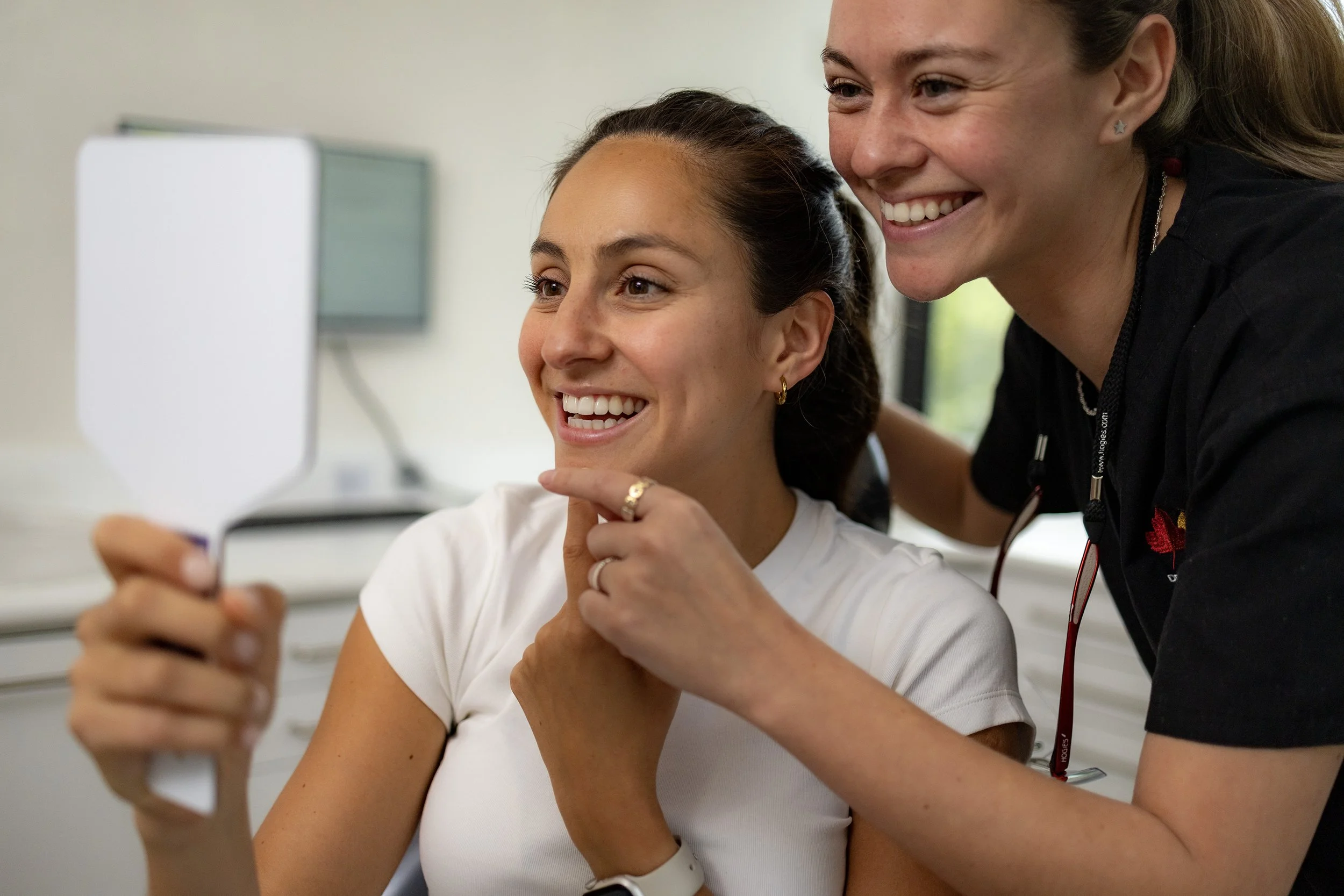
“I want my smile to look better, but I still want it to look like me.”
That last point matters. In my view, good cosmetic dentistry should not make every smile look the same. It should improve what bothers you while still respecting your face, your bite, your oral health, and your personality.
At Dentist In The Park in Bondi Junction, we offer cosmetic options including whitening, bonding, veneers, clear aligners, crowns, restorations, and implant-related treatment where appropriate. The practice’s cosmetic dentistry page reflects the same health-first approach, with cosmetic changes planned around long-term oral health rather than appearance alone.
This article explains the main cosmetic dentistry options and how I usually help patients think through which path makes sense.
What is cosmetic dentistry?
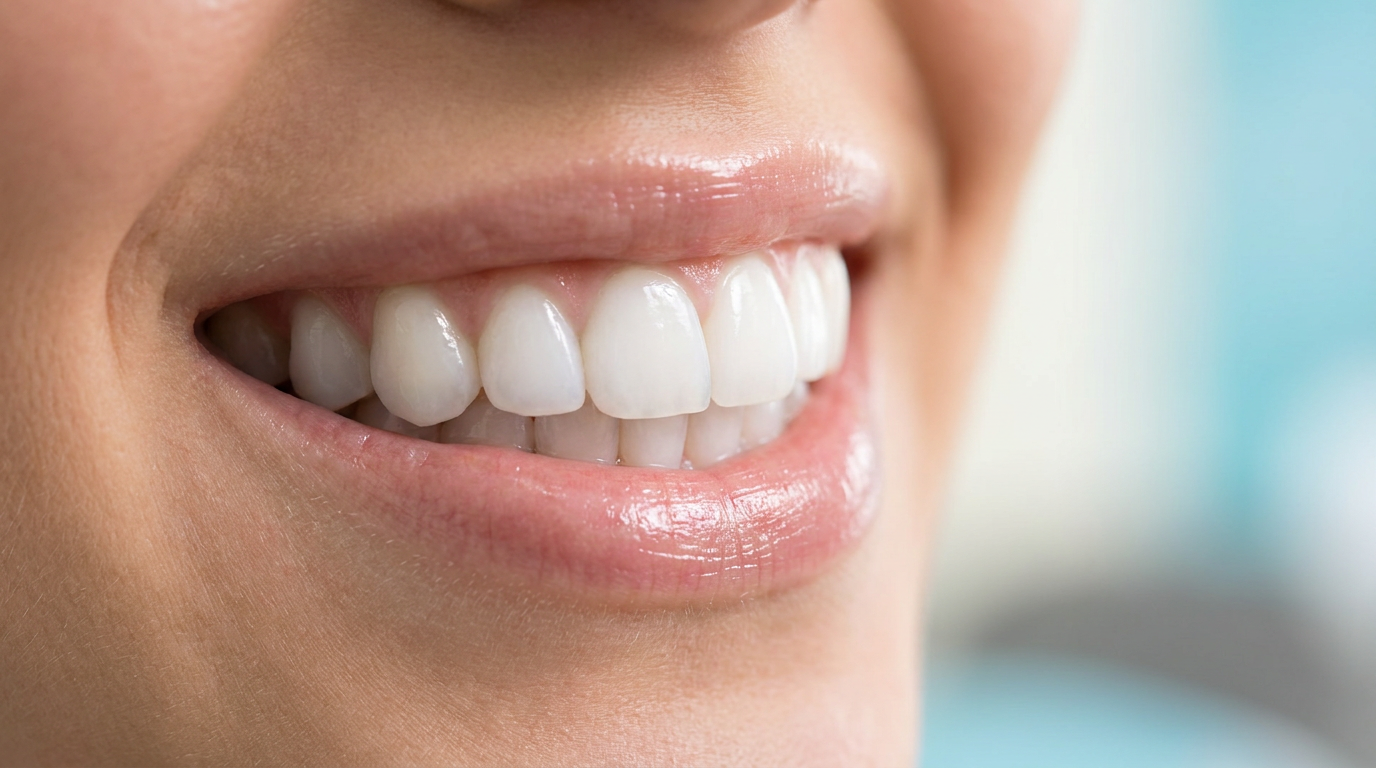
Cosmetic dentistry focuses on improving the appearance of the teeth and smile. That can include colour, shape, spacing, alignment, symmetry, and the way the teeth sit in the face.
Some cosmetic treatments are mainly aesthetic. Others also support function. For example, crowns, bridges, and veneers may be used to restore damaged teeth, but they can also change the visible appearance of teeth. The Australian Dental Association’s oral health site explains that crown, bridge and veneer treatments may be performed to fix damaged teeth or change the visual appearance of teeth.
In practice, I do not separate appearance from health. If the gums are inflamed, the bite is unstable, or a tooth is structurally weak, those things need to be considered before we talk about cosmetic outcomes.
Start with the health of the mouth
Before deciding between whitening, bonding, veneers, or aligners, I want to understand the foundations.
That usually means looking at:
Gum health
Tooth decay risk
Existing fillings, crowns, veneers, or implants
Tooth wear
Bite forces
Grinding or clenching
Tooth sensitivity
Oral hygiene habits
What the patient actually wants to change
A cosmetic treatment may look simple from the outside, but the best planning often happens before anything is touched.
For example, if someone wants whiter teeth but already has visible fillings on front teeth, whitening will only change the natural tooth structure, not the restorations. If someone wants veneers but the teeth are crowded, orthodontics may be worth considering first. If someone wants bonding but grinds heavily, we need to talk about durability.
Option 1 - Professional teeth whitening
Whitening is often the most conservative cosmetic option. It is usually best when the main concern is tooth colour rather than shape or position.
Professional whitening may help with discolouration from ageing, tea, coffee, wine, and some surface staining. It does not change the shape of teeth and it does not lighten existing crowns, veneers, or fillings.
Healthdirect notes that tooth sensitivity can be a sign of issues such as decay, and it is important to see a dentist if you are experiencing sensitivity to hot, cold, or sweet foods and drinks. That is one reason I prefer patients to have their teeth assessed before whitening.
In simple terms, whitening may suit you if:
Your teeth are healthy
Your main concern is shade
You do not need major changes to shape or alignment
You understand that maintenance and top-ups may be needed
It may not be the best starting point if you have untreated decay, gum problems, significant sensitivity, or visible dental work that will not change colour.
Option 2 - Composite bonding
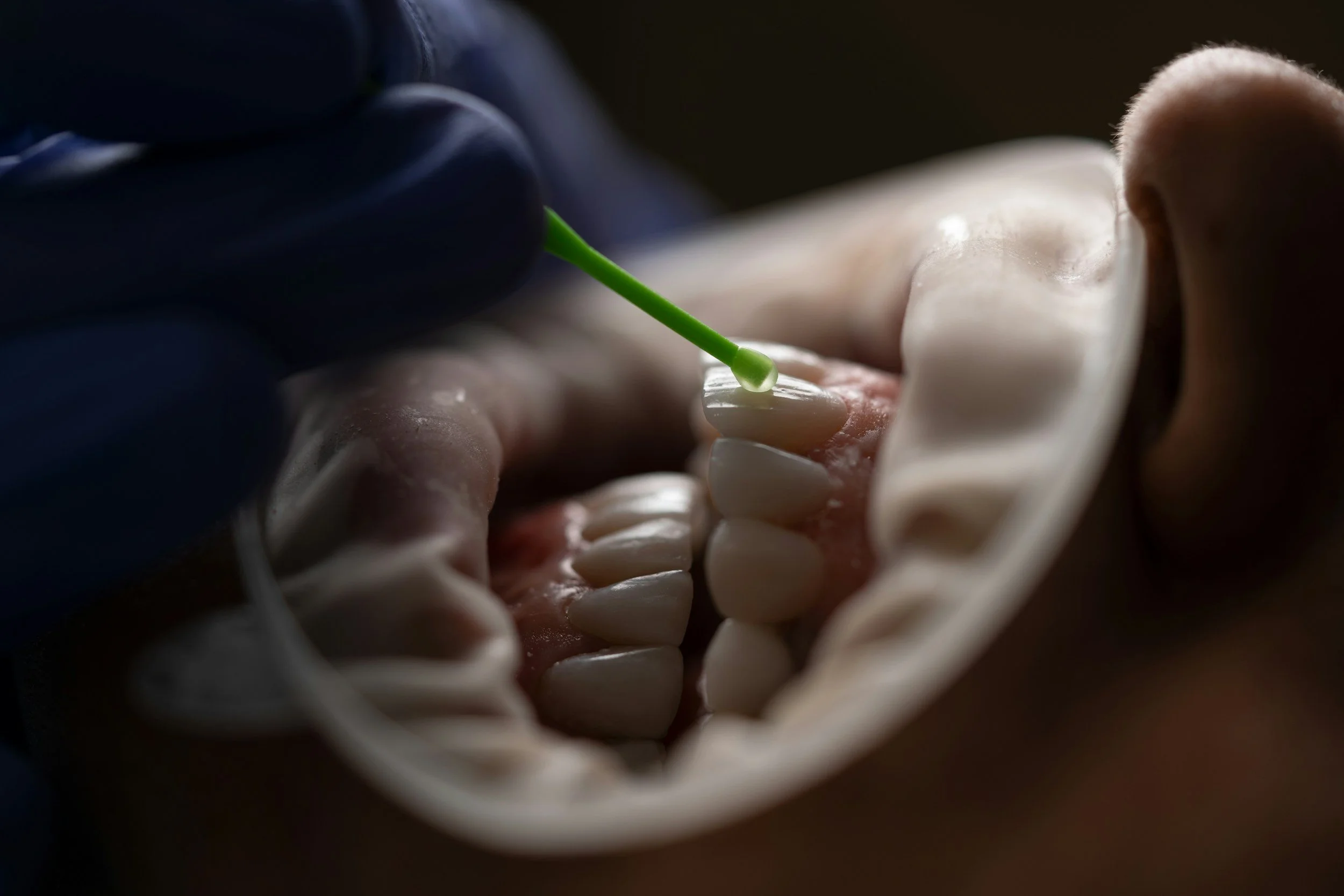
Composite bonding uses tooth-coloured resin to make small changes to teeth. It can be useful for chips, worn edges, small gaps, and minor shape changes.
I often think of bonding as a conservative option for localised concerns. It can be a good choice when the change is small and the tooth structure is otherwise sound.
Bonding may suit you if:
You have a small chip
You want to smooth uneven edges
You have a small gap
You want a conservative first step
You understand that resin can stain, chip, or need maintenance over time
Bonding is not indestructible. It is still affected by bite forces, tooth grinding, food habits, and oral hygiene. I always prefer to explain that clearly before treatment, because patients make better decisions when they know what maintenance may be involved.
Option 3 - Veneers
Veneers are thin restorations placed on the front surface of teeth to change colour, shape, length, or symmetry. They may be made from porcelain or composite material.
Veneers can be useful when the desired change is broader than whitening or bonding can realistically achieve. They may be considered for teeth that are worn, misshapen, heavily discoloured, uneven, or affected by multiple small aesthetic concerns.
But veneers need careful planning. The Australian Dental Association’s oral health information explains that veneers can be used to change the visual appearance of teeth, and they sit in the same general category as crowns and bridges as treatments that may restore or alter teeth.
Before recommending veneers, I look at:
Gum health
Tooth position
Bite and grinding risk
Existing fillings
Enamel availability
Whether orthodontics would reduce the amount of restorative work needed
Whether the patient wants a natural or more visibly cosmetic result
For many people, the best veneers are the ones people do not immediately notice. The goal is often for friends to say, “You look well”, not “You’ve had your teeth done.”
Option 4 - Clear aligners before cosmetic treatment
This is one of the most important areas in cosmetic planning.
Sometimes a patient asks for veneers because the teeth look crooked. In some cases, it may be more conservative to straighten the teeth first, then use whitening, bonding, or veneers only where needed.
That does not mean everyone needs orthodontics. It means alignment should be considered before irreversible treatment.
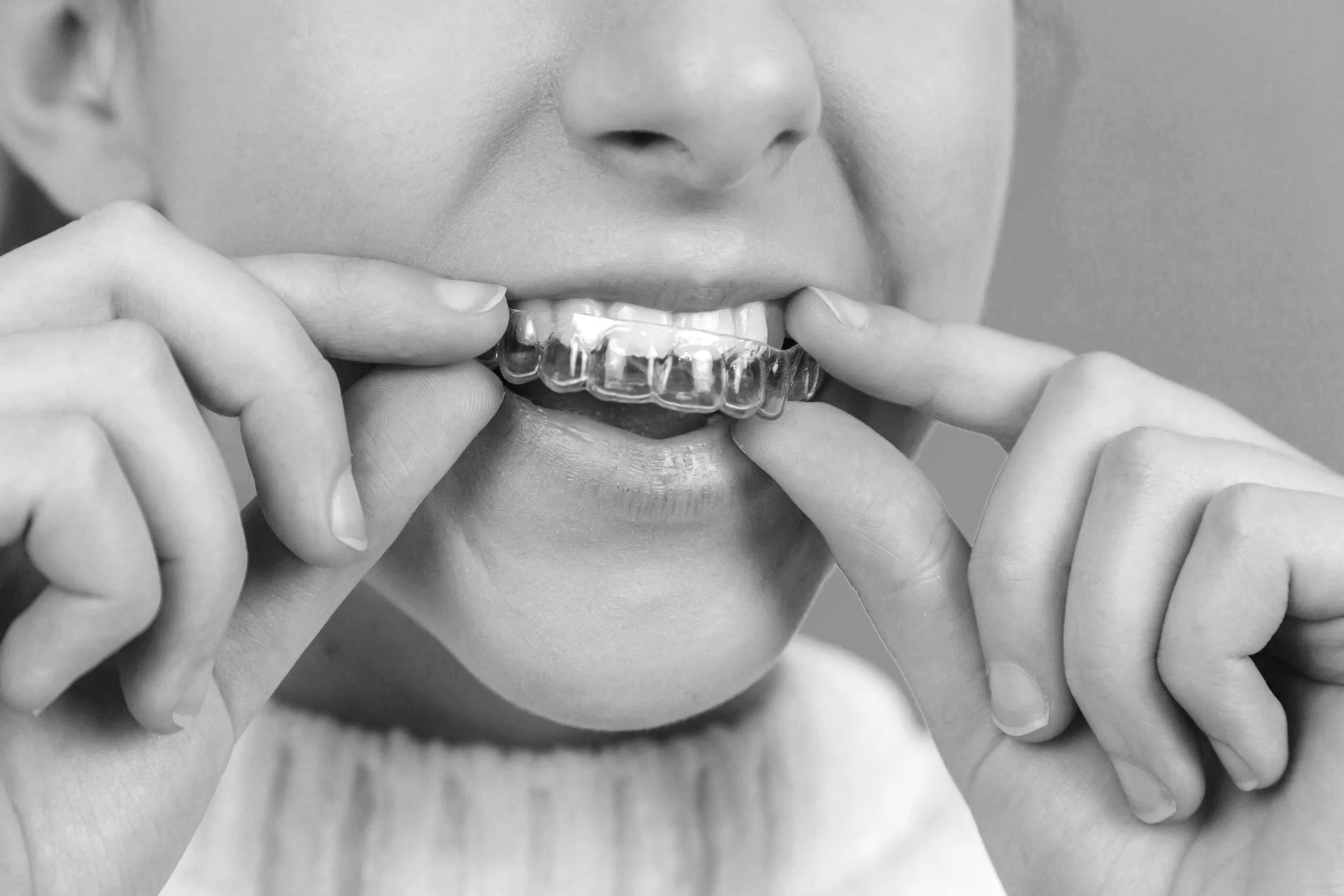
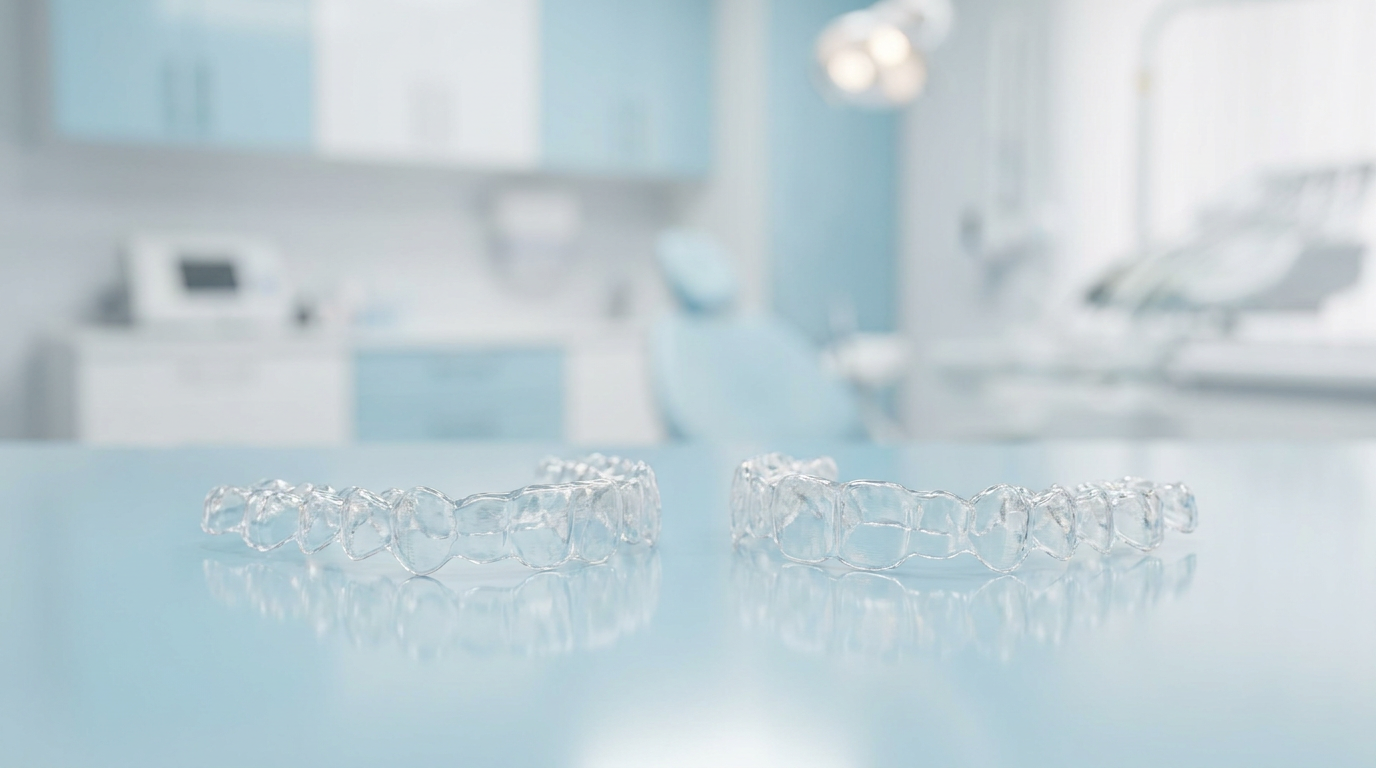
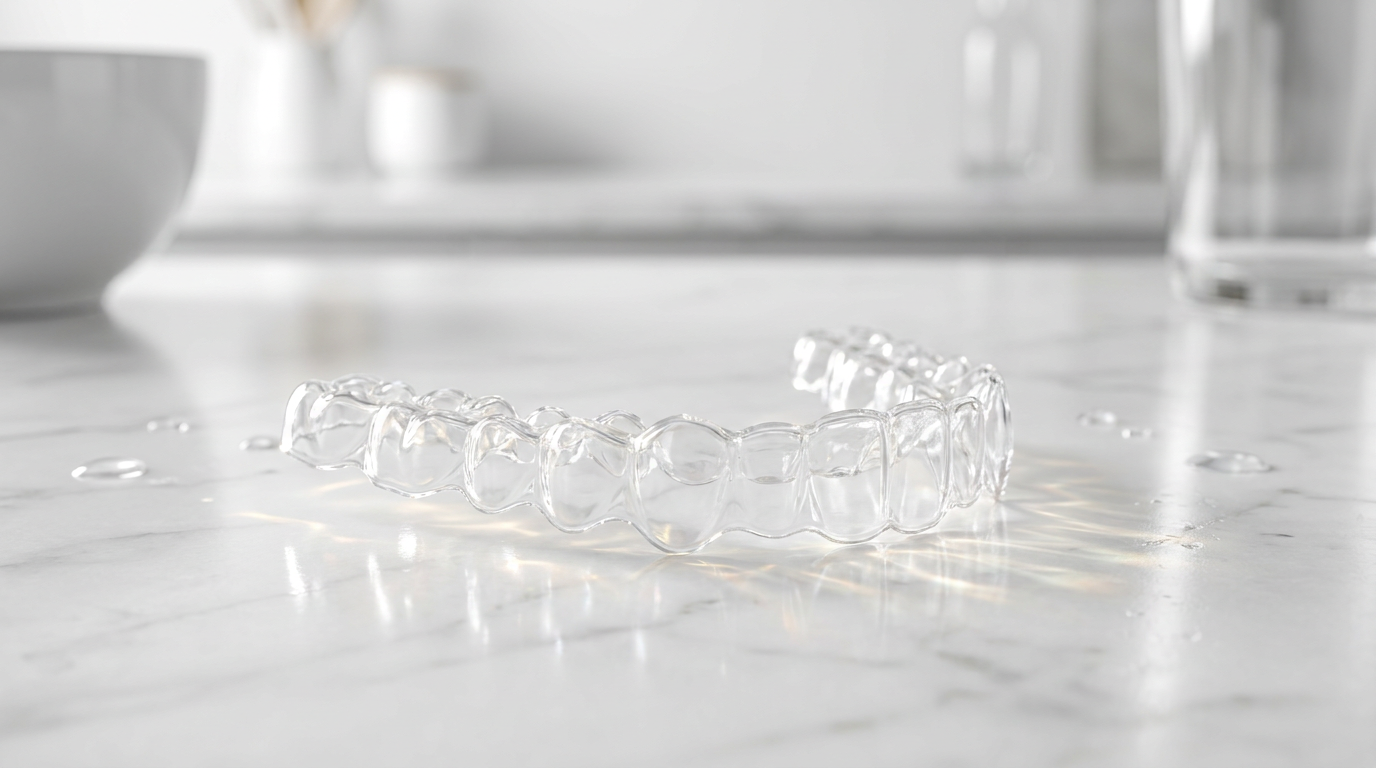
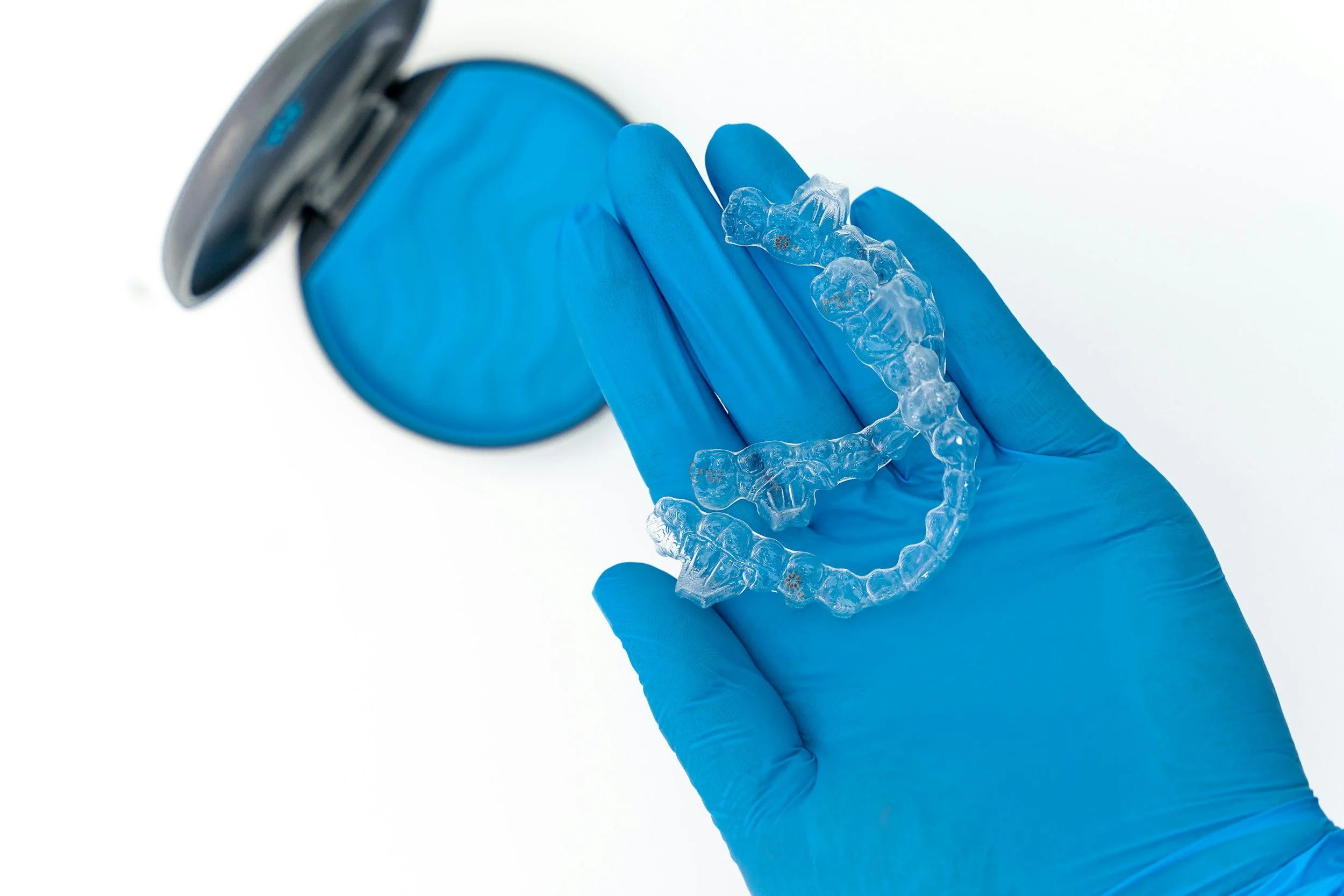
For suitable patients, clear aligners such as Angel Aligner or Invisalign may help improve tooth position. Once the teeth are in a better position, the cosmetic work may be simpler, more conservative, and more natural-looking.
I often explain it this way: if the teeth are in the wrong place, adding material over the top is not always the most elegant solution. Sometimes the smarter move is to put the teeth in a better position first.
Option 5 - Crowns and restorations
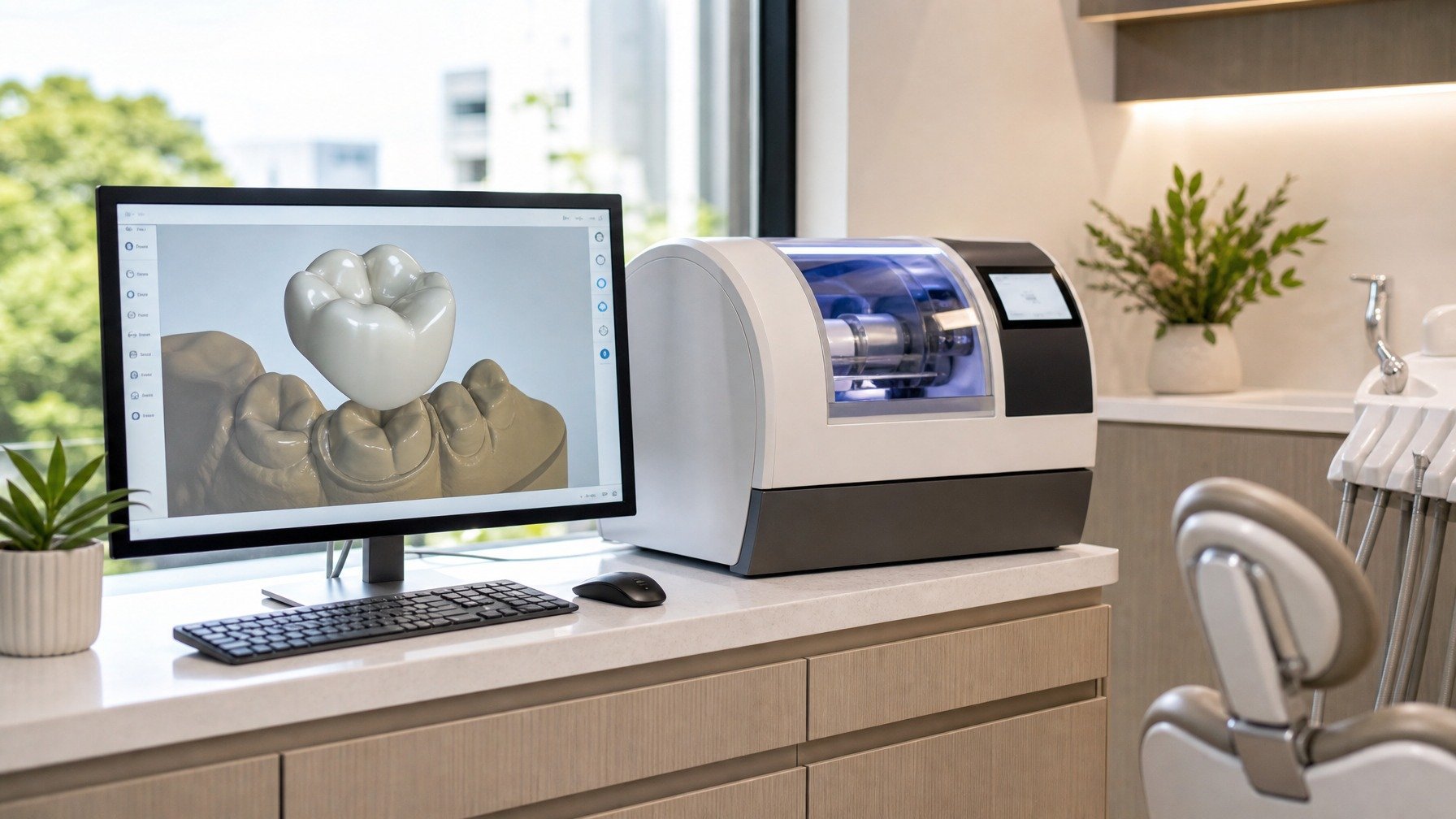
Crowns are not just cosmetic. They are often used when a tooth needs strength and protection. That might be due to cracks, large fillings, root canal treatment, or heavy wear.
In some cases, crowns can also improve the appearance of teeth. But they involve more tooth coverage than veneers, so they are usually chosen for teeth that need structural support, not simply because someone wants a cosmetic change.
This is why diagnosis matters. A tooth that needs a crown should not be treated as though it only needs bonding. A tooth that only needs bonding should not be over-treated with something more invasive.
Option 6 - Implants and missing teeth
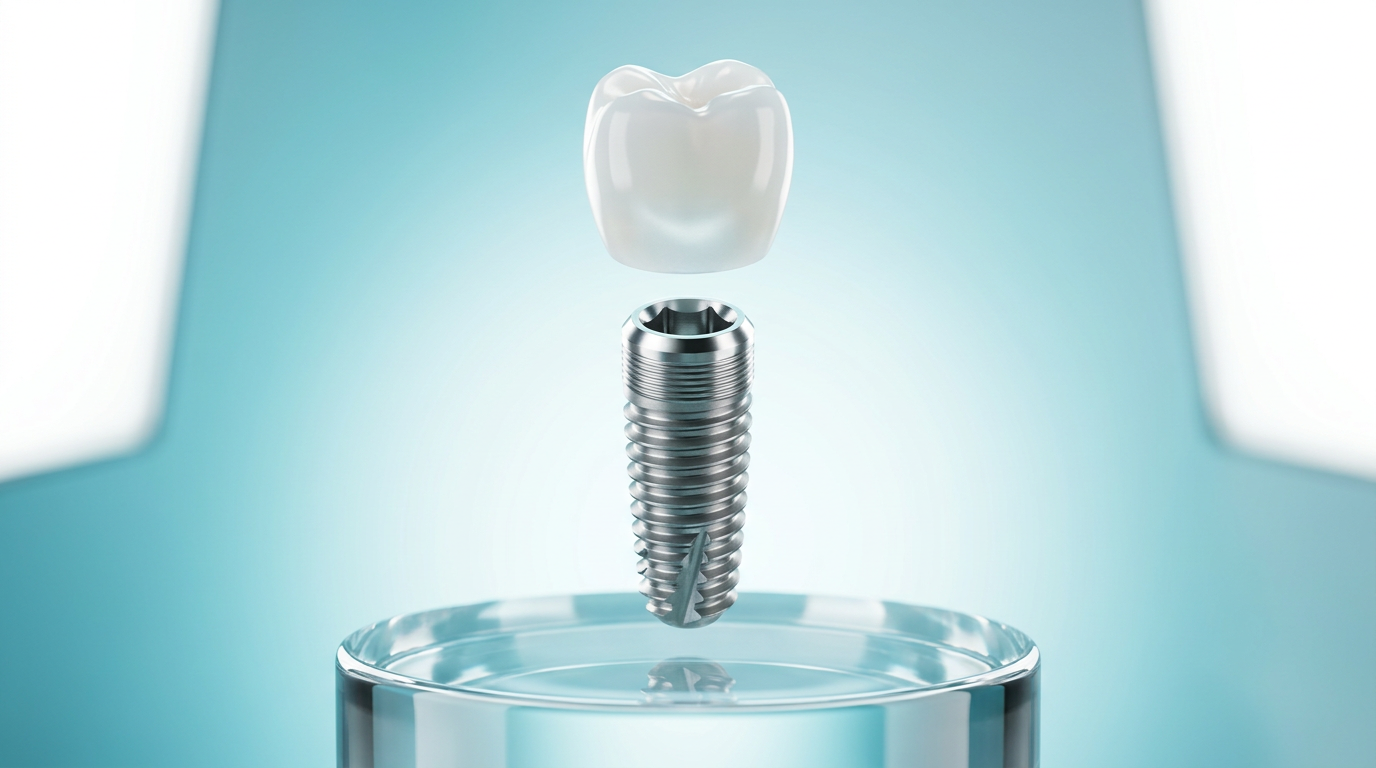
Missing teeth can affect appearance, chewing, speech, and confidence. In suitable cases, dental implants can replace one or more missing teeth. The Australian Dental Association’s oral health site explains that dental implants are used to replace one or more missing teeth, with an implant crown attached to the implant screw after healing.
From a cosmetic point of view, implants are not just about filling a gap. They need to be planned with the surrounding teeth, gum shape, bone support, bite, and smile line in mind.
If a missing tooth is in the visible smile area, planning becomes even more important.
Which cosmetic option is right for you?
There is no single answer. The right option depends on what you want to change and what your mouth needs.
A simple way to think about it is this:
If colour is the main issue, start with whitening.
If small chips or edges are the main issue, bonding may be enough.
If tooth shape and colour need broader change, veneers may be worth discussing.
If tooth position is the problem, consider aligners first.
If the tooth is weak or broken down, a crown may be more appropriate.
If a tooth is missing, replacement options such as implants, bridges, or dentures should be discussed.
The sequence matters. Whitening before bonding or veneers may help with shade matching. Orthodontics before veneers may reduce how much restorative treatment is needed. Gum health before any cosmetic work improves the foundation.
My approach to natural-looking cosmetic dentistry
After many years in practice, I have learned that most people do not want a smile that looks artificial. They want to feel better about their teeth without losing themselves in the process.
When I plan cosmetic dentistry, I think about:
Face shape
Lip line
Tooth proportions
Gum health
Tooth colour
Bite function
Speech
Long-term maintenance
What the patient feels self-conscious about
Sometimes the most effective cosmetic dentistry is very subtle. A small edge repair, a hygiene visit, or careful whitening may be enough. Other times, a more comprehensive plan is needed.
The important thing is that the plan should make sense clinically, not just visually.
What to expect at a cosmetic dentistry appointment
At a cosmetic appointment, I usually want to understand three things.
First, what bothers you.
Second, what is happening clinically.
Third, what level of treatment you are comfortable with.
That may involve:
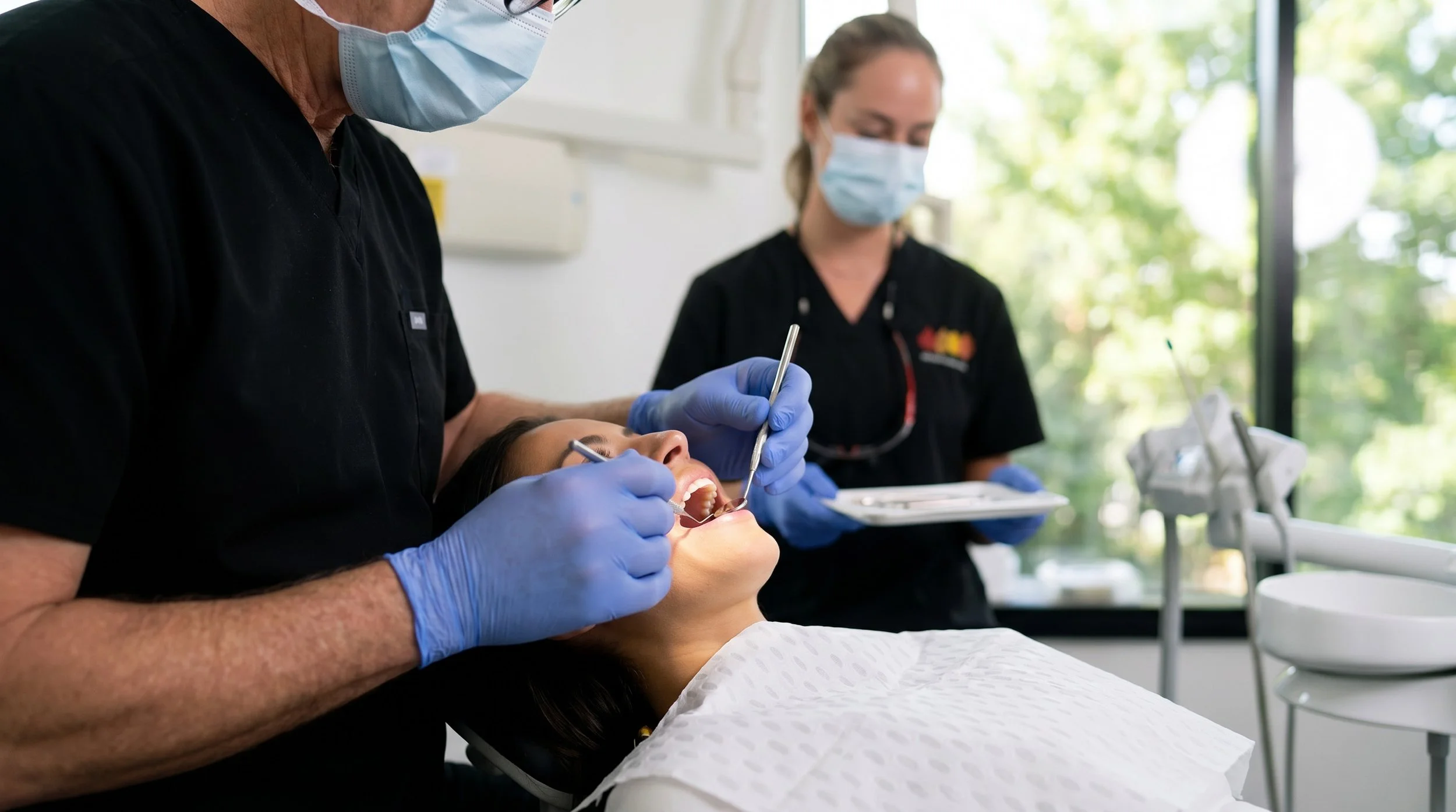
Looking at your teeth, gums, and bite
Discussing tooth colour, shape, spacing, and symmetry
Reviewing existing fillings, crowns, or veneers
Taking photos, scans, or X-rays where needed
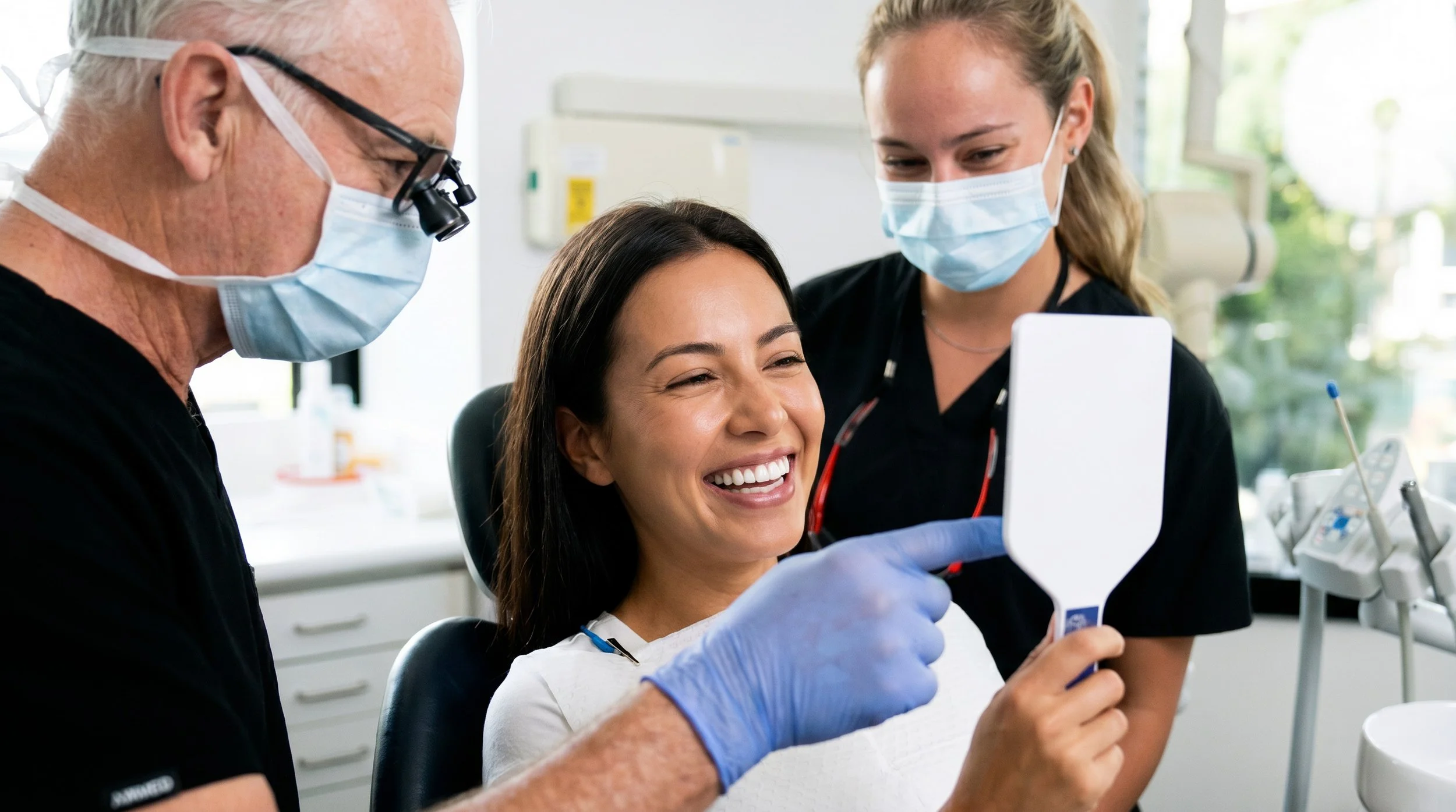
Explaining options clearly
Discussing limitations and maintenance
Providing a treatment plan and quote before you decide
I never want a patient to feel pushed into treatment. Cosmetic dentistry should be a considered decision.
A note on expectations
Cosmetic dentistry can improve appearance, but it has limits. Teeth are living structures. Gums change. Restorations age. Bite forces matter. Habits matter.
That is why I avoid promising perfection. What I can do is assess carefully, explain honestly, and recommend an option that suits your mouth and your goals.
In Australia, dental advertising must be responsible and not misleading. The Dental Board of Australia explains that advertising guidelines exist to help practitioners understand their obligations when advertising regulated health services. That is important, but it also reflects how I think cosmetic conversations should happen: clearly, realistically, and without pressure.
If you are considering cosmetic dentistry in Bondi Junction, the best next step is to understand what is actually possible for your teeth, gums, and bite.
At Dentist In The Park, I can talk through whitening, bonding, veneers, aligners, crowns, and other options, then help you decide what is suitable, conservative, and realistic for your goals.
FAQs
What is the best cosmetic dentistry option for me?
The best option depends on what you want to change. Whitening may suit colour concerns, bonding may suit small chips or gaps, veneers may suit broader changes, and aligners may be better when tooth position is the main issue. A clinical assessment is needed before recommending a specific option.
Should I whiten my teeth before getting bonding or veneers?
Often, yes. Whitening changes the colour of natural teeth, but it does not lighten existing fillings, crowns, or veneers. If whitening is suitable, it is often planned before bonding or veneers so the final shade can be matched more carefully.
Are veneers better than bonding?
Not always. Veneers may be better for broader changes in colour, shape, or symmetry. Bonding can be more conservative for smaller chips, edges, or gaps. The better option depends on tooth structure, bite forces, expectations, and maintenance.
Can cosmetic dentistry look natural?
Yes, that is usually the aim. Natural-looking results depend on careful planning of colour, shape, proportion, gum health, and bite. In many cases, subtle improvements look better and age more comfortably than overly bright or oversized restorations.
Is cosmetic dentistry painful?
Many cosmetic treatments are performed with local anaesthetic where needed, and comfort options can be discussed before treatment. Sensitivity can occur with treatments such as whitening or after some restorative work, but this depends on the procedure and the individual case.
Do I need straight teeth before veneers?
Not always, but it is worth considering. In some cases, straightening teeth first with clear aligners can reduce the amount of restorative treatment needed and may lead to a more conservative result.
How long does cosmetic dentistry last?
Longevity depends on the treatment, materials, bite, oral hygiene, and habits such as grinding. Whitening may need top-ups, bonding may need maintenance, and veneers or crowns may last many years with good care, but no restoration lasts forever.
Can cosmetic dentistry fix missing teeth?
If teeth are missing, cosmetic planning may involve implants, bridges, or dentures, depending on your case. The right option depends on bone support, gum health, bite, budget, and the position of the missing tooth.
Other helpful articles