How to Choose a Dentist in Bondi Junction
Choosing a dentist is a personal decision. It is not just about finding the closest clinic, the nicest website, or the most convenient appointment time. It is about finding someone you feel comfortable talking to, someone who explains things clearly, and someone who can help you make sensible decisions about your oral health over time.
After more than 30 years in general practice, I have seen how much difference that relationship can make. Many people come to the dentist only when something hurts, but the best outcomes often come from steady, preventative care and honest conversations before problems become complicated.
If you are looking for a dentist in Bondi Junction, here is what I would suggest you look for.
Start with trust and registration
Before you choose any health practitioner, it is reasonable to check that they are registered to practise in Australia. Ahpra maintains the public Register of Practitioners, which includes dental practitioners. This allows patients to check a practitioner’s registration status and relevant details.
Registration is the baseline. From there, you want to know whether the dentist has the right experience for your needs, whether they communicate clearly, and whether the clinic feels like somewhere you can return to with confidence.
In my view, dentistry works best when patients feel they can ask questions without feeling rushed or embarrassed.
Look for a dentist who explains, not just treats
A dental visit should not leave you confused. If something is happening in your mouth, you should understand what it is, why it matters, and what your options are.
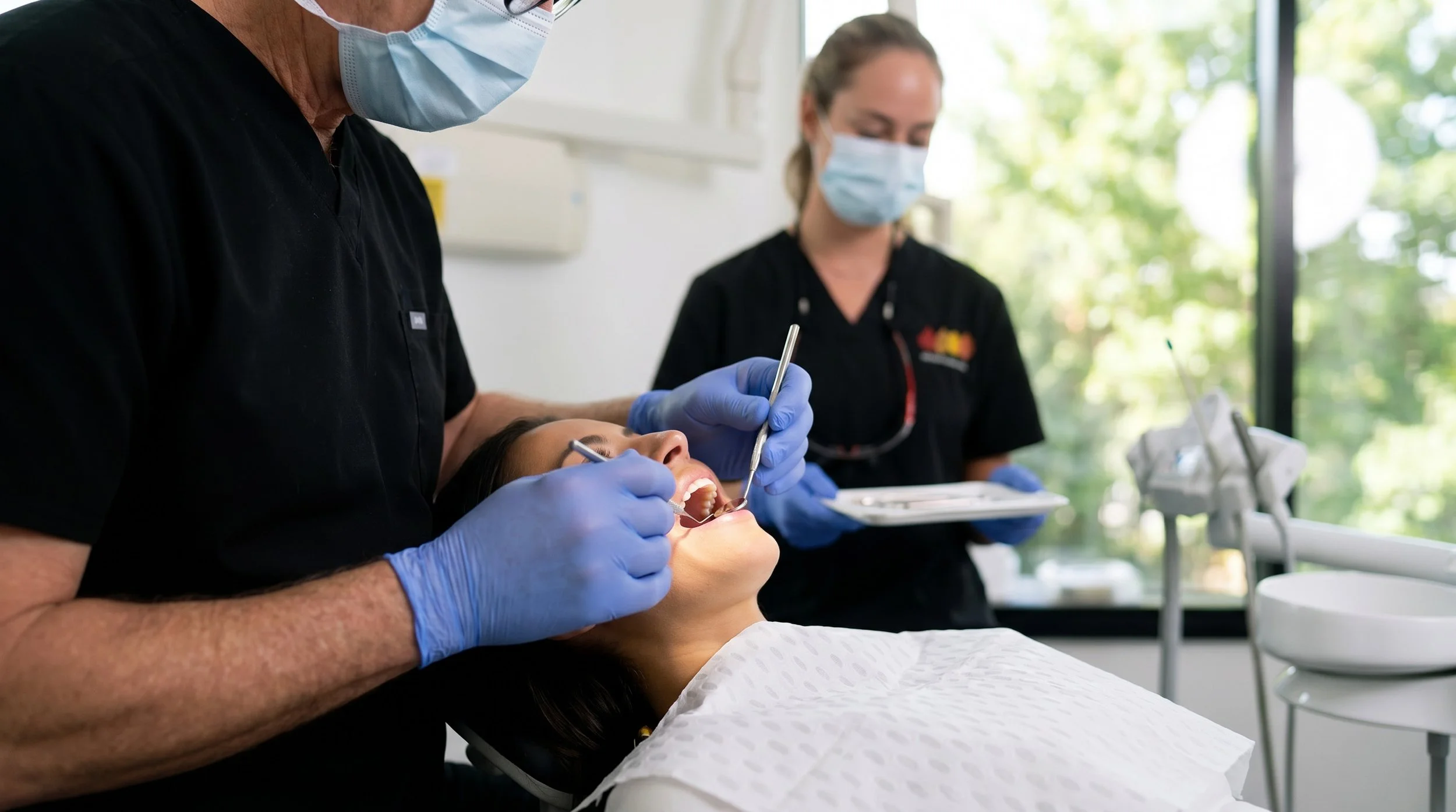
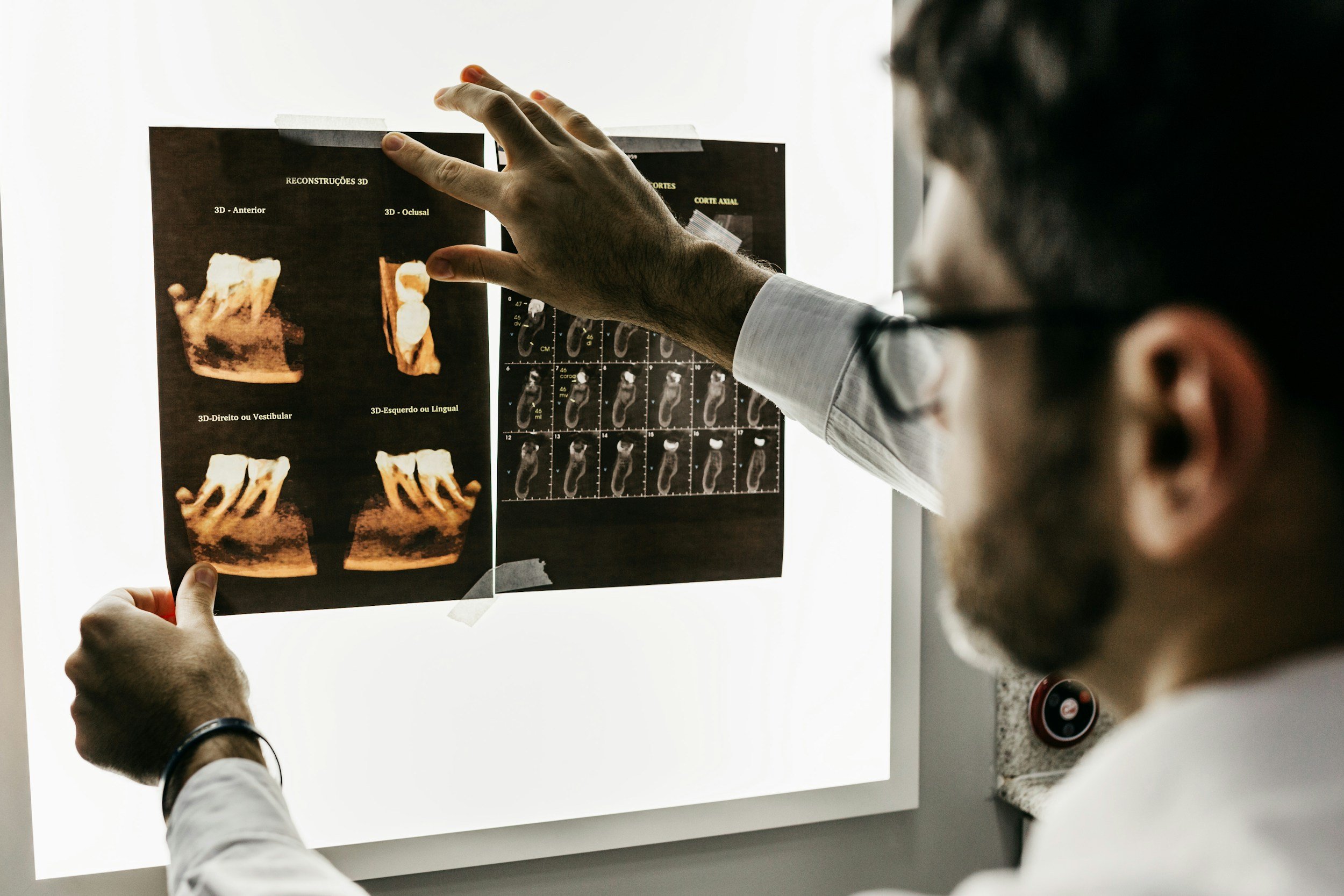
A proper dental check-up involves more than looking for holes in teeth. Healthdirect explains that a check-up includes an examination of the teeth, gums, lips, tongue, mouth, and saliva, and should include advice on preventing tooth decay and gum disease.
That is exactly how I think about general dentistry. It is not just fixing problems. It is helping people understand their own mouth well enough to keep it healthy.
When I explain treatment, I usually want patients to know four things:
What I can see today
What needs attention now
What can safely be monitored
What options exist, including the pros and cons
If a tooth can be watched, we should say that. If home care can prevent a filling, we should talk about that too.
Choose a clinic that can support your needs over time
Many patients first come in for one reason: a broken tooth, a check-up, a clean, a child’s first visit, or a cosmetic question.
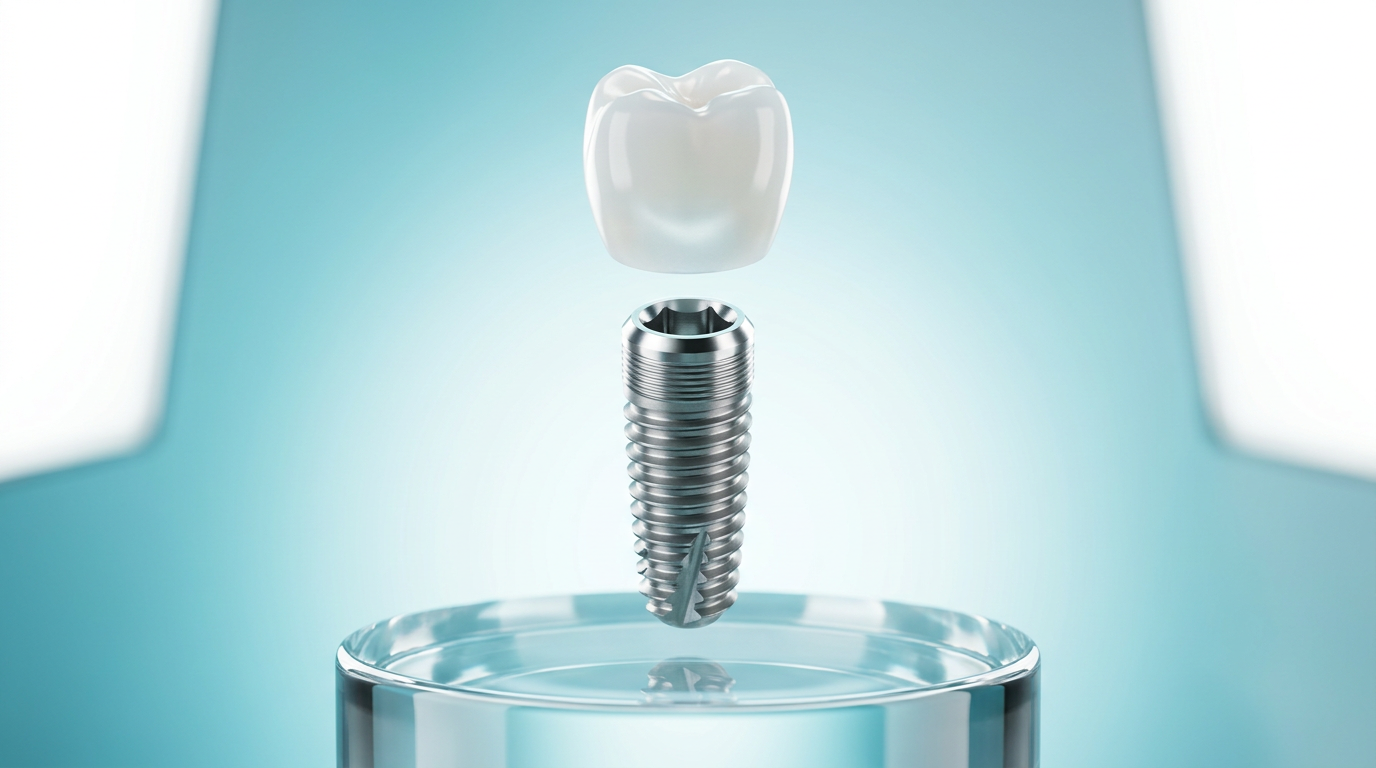
But your needs may change over time. You may start with general dentistry, then later need orthodontic advice, crowns, implants, whitening, hygienist care, or help with snoring and sleep apnoea.
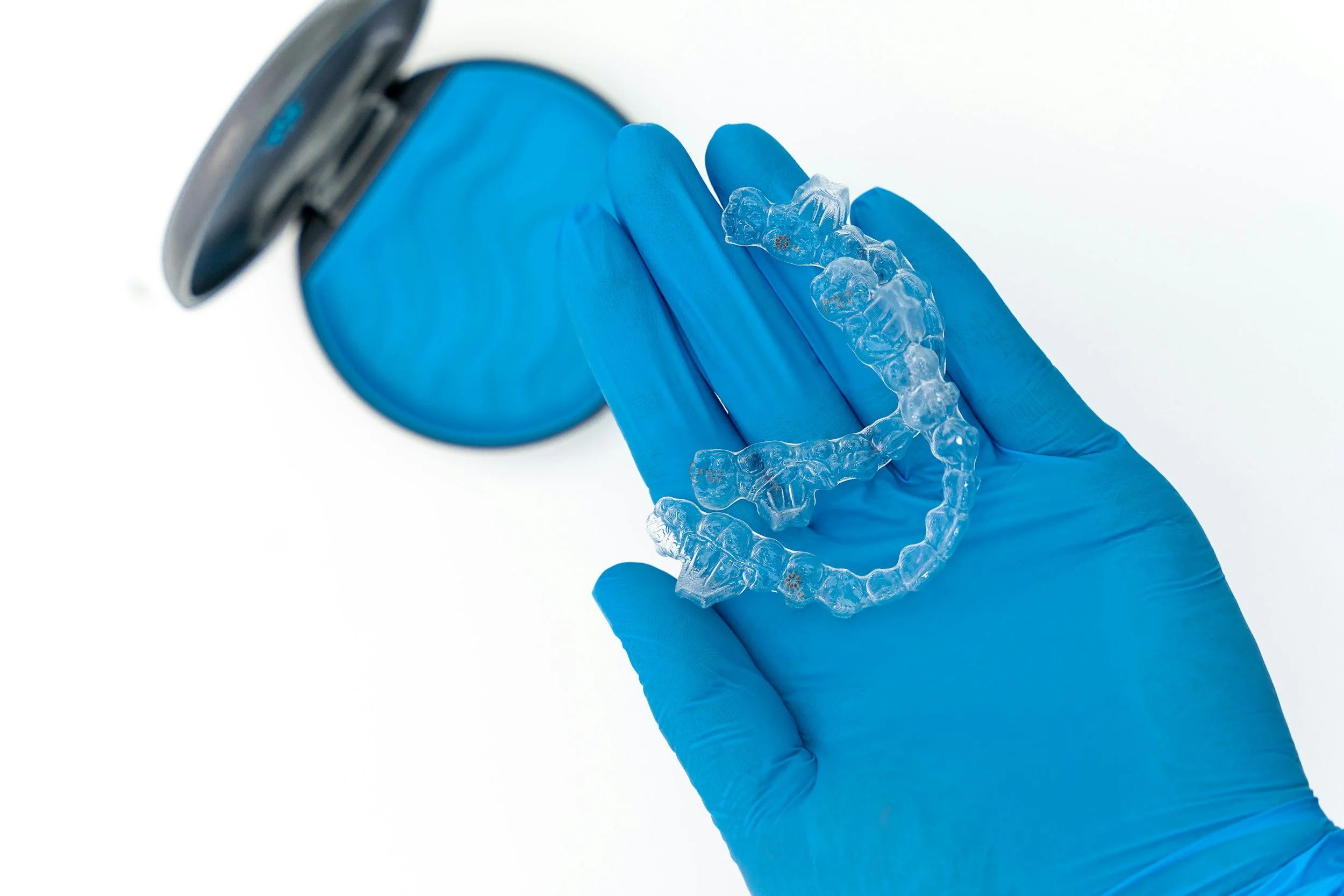
At Dentist In The Park, we provide care across general dentistry, family care, cosmetic dentistry, Angel Aligner and Invisalign, crowns and bridges, implants and All-on-4, hygiene care, and sleep apnoea and snoring appliances. That breadth matters because we can often look at the whole picture rather than treating one tooth or one concern in isolation.
For example, if someone is thinking about veneers, I may first consider whether the teeth would benefit from being straightened. If someone is asking about implants, we need to look at gum health, bite forces, bone support, and maintenance. Good dentistry is rarely just one decision.
Prevention should come before intervention
One of the most important things I have learned in practice is that simple problems are much easier to manage early.
A small cavity is easier to treat than a broken tooth. Early gum inflammation is easier to manage than advanced periodontal disease. A child who is comfortable at the dentist early is often easier to care for later.
Healthdirect advises visiting a dentist for a check-up at least once a year as one way to help minimise dental care costs over time. Some patients need to come more often, particularly if they have gum disease, frequent decay, complex dental work, or dry mouth. Others may be stable with a different recall schedule.
The important point is this: a recall plan should be based on risk, not habit.
If you have children, look for calm and patience
Family dentistry is not just adult dentistry with smaller teeth. Children need a calm introduction to the dental environment. They need time, encouragement, and a positive first experience.
Healthdirect says a child should visit the dentist by the time their first tooth appears or by their first birthday. Regular check-ups should continue after that. NSW Health also advises that children should have their first dental check-up by their first birthday.
In practice, early visits are often very simple. We may count teeth, talk about brushing, answer parents’ questions, and help the child become familiar with the chair and the room.
That early confidence matters. A child who feels safe at the dentist is more likely to grow into an adult who does not avoid dental care.
Comfort matters more than people admit
A lot of people are nervous about dental treatment. Some have had a bad experience in the past. Some worry about injections. Some worry about judgement because they have not been to the dentist in years.
My advice is simple: tell your dentist.
A good dental team should not shame you. We should explain what is happening, work at a pace you can manage, and offer comfort options where appropriate.
At Dentist In The Park, we use approaches such as The Wand for local anaesthetic delivery and nitrous oxide, sometimes called happy gas, for suitable nervous patients. Not every patient needs these options, but for the right person they can make treatment feel much more manageable.
Be careful with “quick fixes”
Modern dentistry offers many excellent options. Teeth can be whitened, straightened, restored, reshaped, and replaced in ways that were not possible decades ago.
But quick fixes are not always the best fixes.
If someone comes in asking for cosmetic work, I still need to check gum health, bite, wear patterns, existing fillings, and tooth structure. If someone wants implants, I need to think about bone, medical history, oral hygiene, and long-term maintenance.
The most natural-looking outcomes usually start with the least glamorous part of dentistry: careful diagnosis.
Understand how costs and treatment options are discussed
Before you start treatment, you should understand what is being recommended and why. You should also understand the likely costs before proceeding.
In my opinion, a patient should never feel surprised by the plan or pressured into a decision on the spot. Some treatment is urgent, but many dental decisions can be explained, considered, and staged.
At Dentist In The Park, we accept all health funds and offer HICAPS on-the-day claiming, so eligible patients can claim at the practice and pay the balance. CBHS members can also ask our team about eligibility for routine examinations, cleans, and X-rays.
Reviews can help, but they are not the whole story
Reviews may help you understand how other people have experienced a clinic, especially on independent platforms. But in Australian health advertising, there are rules around testimonials.
Ahpra states that the National Law does not allow testimonials or purported testimonials to be used to advertise regulated health services or businesses that provide regulated health services.
So when choosing a dentist, I would not rely on reviews alone. I would also look at how the clinic explains treatment, whether the dentist is clearly identified, whether the service information is detailed, and whether you feel comfortable after the first conversation.
The right dentist is often the one you can build a relationship with
Dentistry is long-term care. You may only need a simple check-up today, but over the years you may need advice about whitening, orthodontics, crowns, implants, gum health, children’s dentistry, or sleep-related dental appliances.
The benefit of a long-term dental relationship is context. I get to know what matters to you, what you are worried about, what has changed, and what has stayed stable.
That is when dentistry becomes more personal and more practical.
Questions I would ask before choosing a dentist
If I were helping a friend choose a dentist in Bondi Junction, I would suggest asking:
Who will I actually be seeing?
Is the practitioner registered in Australia?
Does the clinic provide the services I am likely to need?
How will treatment options and costs be explained?
Can they care for children or nervous patients?
What happens if I have an urgent dental concern?
Do I feel listened to?
Clear answers to those questions are usually a good sign.
Final thought
The right dentist is not always the clinic with the biggest claim or the loudest message. For most people, the right dentist is the one who listens properly, explains clearly, treats conservatively where possible, and helps you look after your mouth over the long term.
If you are looking for a dentist in Bondi Junction, start with a conversation. Tell us what has brought you in, what concerns you, and what you would like to understand better. From there, we can guide you through the options and help you decide what makes sense for your oral health.
FAQs
How do I choose the right dentist in Bondi Junction?
Look for a registered dentist who communicates clearly, explains your options, and offers the type of care you are likely to need over time. For many patients, this includes check-ups, cleans, children’s dentistry, cosmetic dentistry, orthodontics, restorative care, and urgent dental support.
How can I check whether a dentist is registered in Australia?
You can check a practitioner’s registration through Ahpra’s public Register of Practitioners. This register includes dental practitioners and allows patients to confirm registration details.
What should happen at a dental check-up?
A dental check-up should include an examination of your teeth, gums, lips, tongue, mouth, and saliva. It should also include prevention advice so you understand how to reduce your risk of tooth decay and gum disease.
When should children first see a dentist?
Children should visit a dentist by the time their first tooth appears or by their first birthday. Early visits help children become comfortable with dental care and give parents guidance on brushing, diet, and prevention.
Should I choose a dentist based on reviews?
Reviews on independent platforms may be useful, but they should not be your only guide. In Australia, health practitioners must follow strict rules around testimonials in advertising. You should also consider registration, communication, services, location, fees, and the clinic’s approach to care.
How often should I see a dentist?
The right interval depends on your oral health, gum condition, decay risk, and treatment history. Many people attend every six months, while others may need a different schedule. Your dentist can recommend a recall interval after assessing your teeth and gums.
What should I ask before booking with a new dentist?
Ask who you will see, what services the clinic offers, how treatment options and costs are explained, whether they care for children or nervous patients, and what happens if you have an urgent dental concern. A clear answer is usually a good sign.
Other helpful articles