Family Dentist in Bondi Junction - Care for Children, Adults and Grandparents
One of the great privileges of general dentistry is caring for families over many years.
I have seen children come in for their first dental visits, then later return as teenagers, adults, parents, and sometimes with children of their own. That continuity matters. When a dentist knows the family history, the habits, the fears, the previous treatment, and the personalities involved, care becomes more personal and more practical.
For me, family dentistry is not simply “dentistry for all ages”. It is about understanding that every stage of life has different needs.
A toddler visiting for the first time needs patience and reassurance.
A teenager may need orthodontic advice.
A parent may need practical care that fits around a busy schedule.
A grandparent may need help maintaining comfort, function, and confidence.
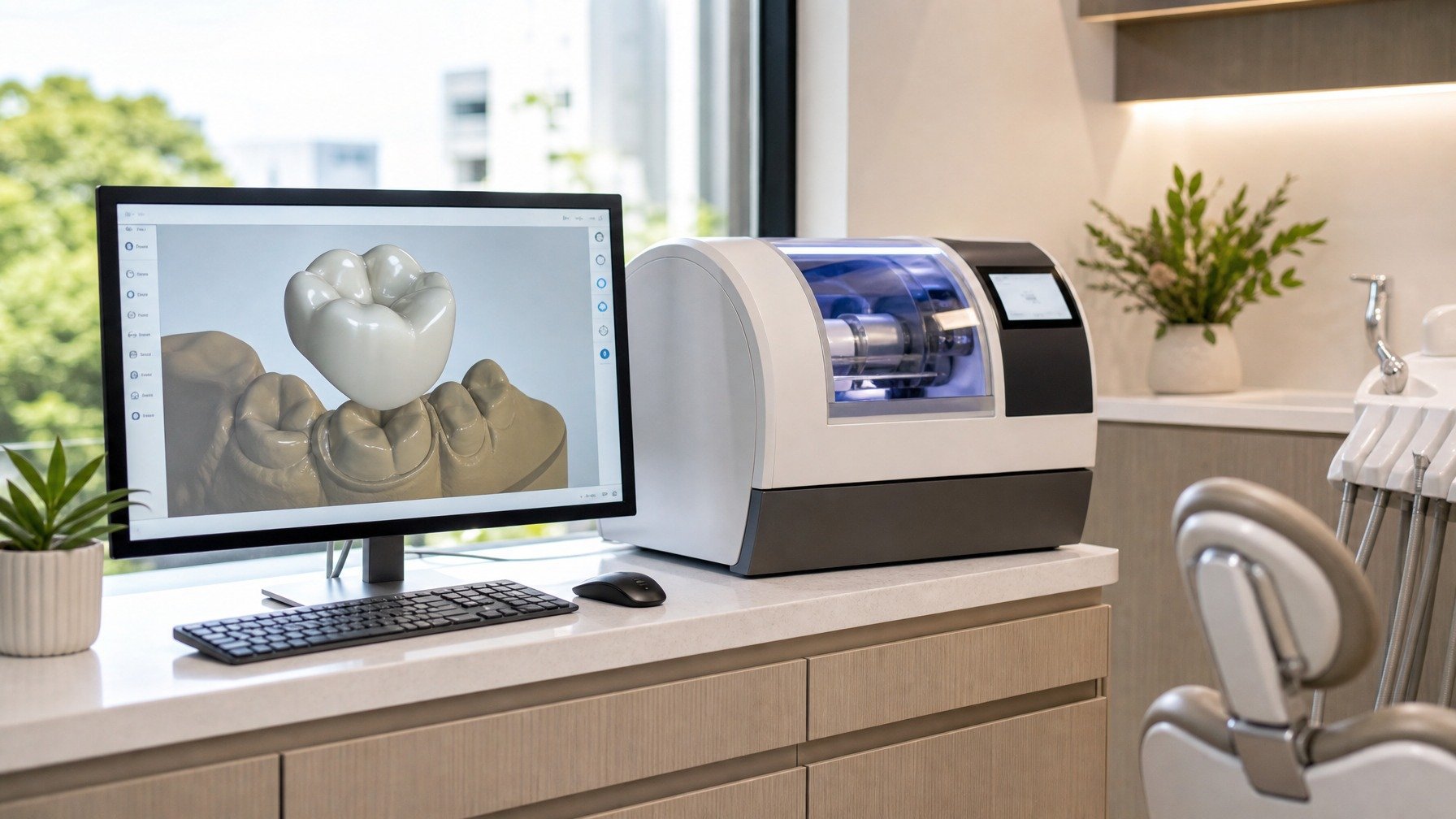
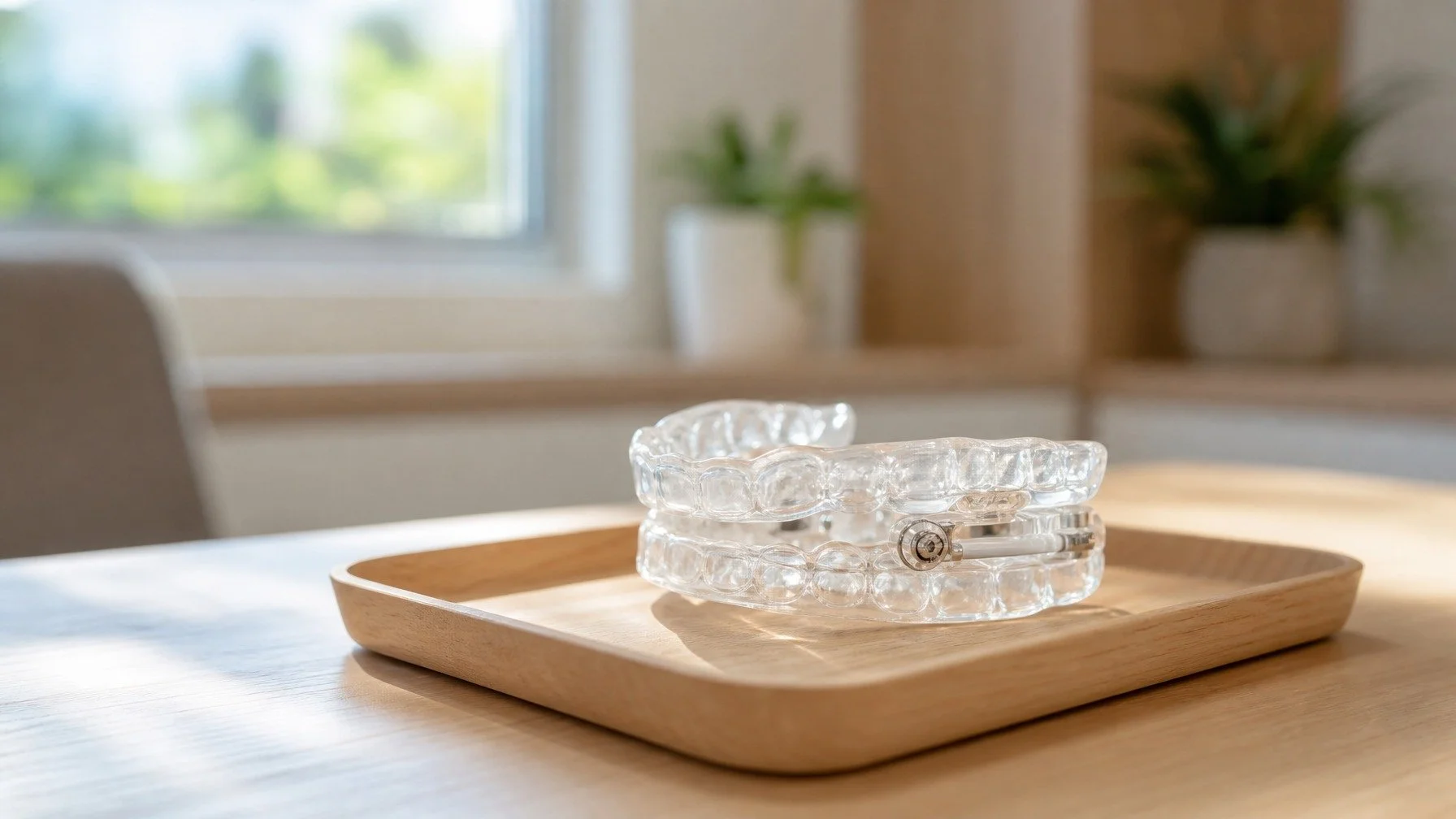
At Dentist In The Park in Bondi Junction, we provide general dentistry, children’s dentistry, hygienist care, cosmetic dentistry, Angel Aligner and Invisalign, crowns, implants, and sleep apnoea and snoring treatment for patients across Bondi Junction and the Eastern Suburbs.
What does a family dentist do?
A family dentist provides ongoing dental care for children, adults, and older patients. That can include check-ups, cleans, fillings, gum care, children’s visits, restorative dentistry, cosmetic discussions, orthodontic screening, and urgent dental concerns.
The value is not only in the individual treatment. It is in the relationship.
A family dentist can help you keep track of:
Your child’s dental development
Your own gum health and decay risk
Bite changes over time
Existing fillings, crowns, veneers, implants, or bridges
Family patterns, such as crowding, grinding, or anxiety
Habits that may affect oral health
Good family dentistry is steady, preventative, and practical.
Why prevention matters at every age
I would always rather prevent a problem than fix it later.
A dental check-up is not just a quick look. Healthdirect explains that a dental check-up involves an examination of the teeth, gums, lips, tongue, mouth and saliva, and includes advice on preventing tooth decay and gum disease.
That advice is often where the long-term value sits.
A small change in brushing technique, flossing, diet, fluoride use, or recall timing can prevent bigger treatment later. This is especially true for children, people with gum disease risk, patients with dry mouth, and anyone with complex dental work.
For families, prevention also creates a rhythm. Children learn that dental visits are normal. Adults stay ahead of problems. Older patients can protect the function and comfort they already have.
Children’s dental care - start early and keep it positive
Children do best when the dentist becomes familiar before there is a problem.
Healthdirect advises that a child should visit the dentist by the time their first tooth appears or by their first birthday, and that regular dental check-ups should continue after that. NSW Health also advises that children should have their first dental check-up by their first birthday, and a check-up before they start school.
The first visit does not need to be dramatic. It might simply involve:
Looking at the teeth and gums
Counting teeth
Checking development
Talking about brushing
Discussing diet and bottle habits
Helping the child become comfortable in the dental setting
In my experience, a calm first visit is worth a great deal. It helps children build trust before they ever need treatment.
Dental care for school-aged children
As children grow, dental care shifts from “getting used to the dentist” into prevention and development.
At this stage, I usually look at:
Tooth eruption
Decay risk
Brushing habits
Diet and snacking patterns
Fissure sealant suitability
Jaw growth
Early crowding
Bite development
Mouth breathing or sleep concerns
Some children need very little beyond regular checks and cleaning. Others may benefit from early advice about orthodontics, hygiene, or diet.
The important thing is timing. If we see a problem early, we can explain it, monitor it, or intervene at the right stage.
Teenagers and orthodontic timing
Teenagers often come in with different concerns. They may care more about appearance, straight teeth, sport, fresh breath, or confidence.
This is also a common stage for orthodontic assessment.
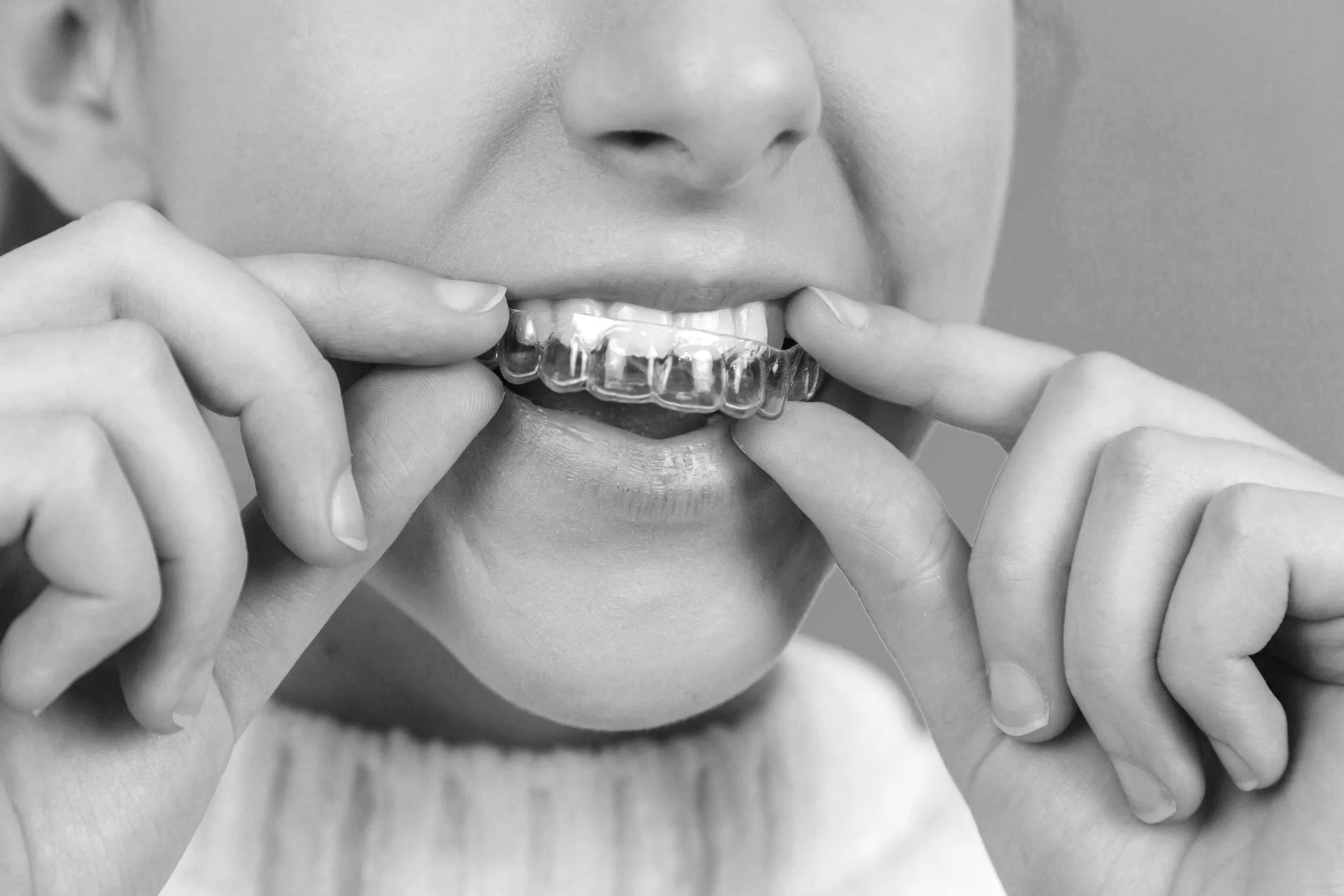
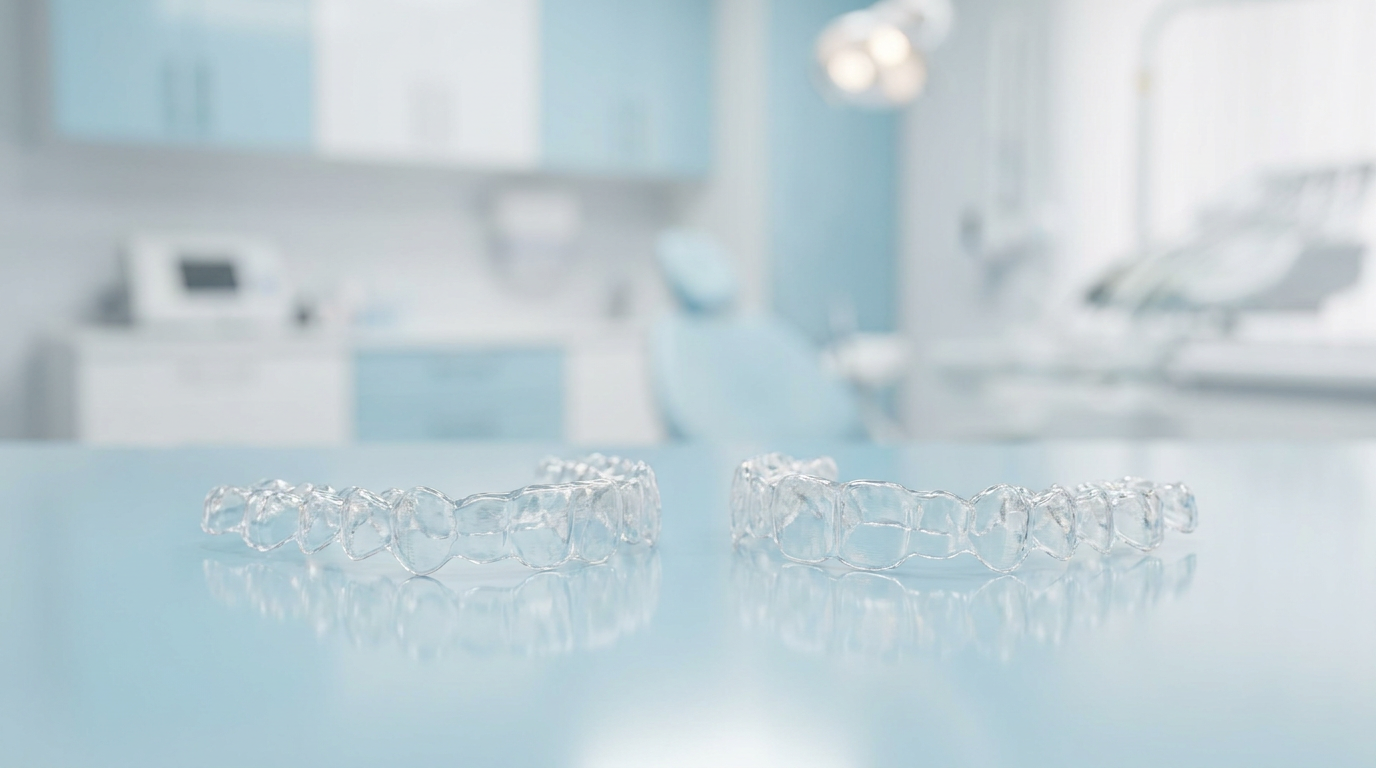
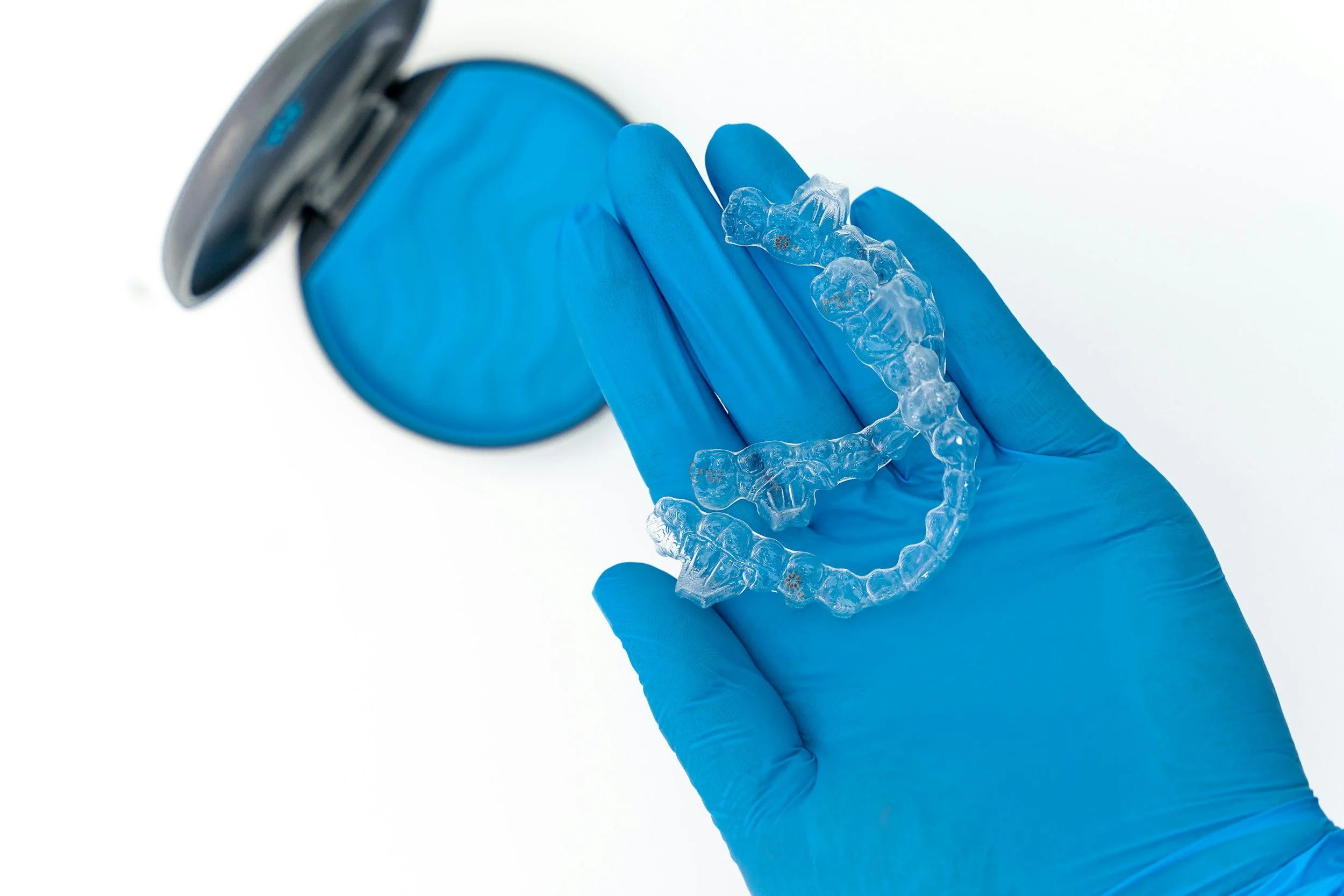
Some teenagers may be suitable for clear aligners, such as Angel Aligner or Invisalign. Others may be better suited to braces, especially if tooth movement is more complex or consistent aligner wear would be difficult.
My advice to families is simple: do not choose the appliance first. Assess the bite, crowding, gum health, hygiene, and motivation, then choose the option that fits.
Orthodontic treatment is not just cosmetic. It can support better cleaning, bite function, and long-term stability when planned properly.
Dental care for adults
Most adults are juggling time, work, family, and cost. That is why adult dental care needs to be clear and realistic.
Adults commonly come in for:
Check-ups and cleans
Broken teeth
Old fillings
Gum bleeding
Sensitivity
Tooth wear or grinding
Whitening or cosmetic concerns
Crowns and bridges
Clear aligners
Implants or missing teeth
For adults, the key is prioritisation. Not everything needs to happen at once. Some problems are urgent. Some can be monitored. Some can be staged.
I like patients to leave understanding what matters now, what can wait, and what the long-term plan looks like.
Dental care for parents
Parents often put themselves last.
They book the children in, organise the school calendar, and manage everyone else’s appointments. Then their own dental visit gets delayed until something hurts.
I see this often.
My advice is to treat dental care like maintenance, not crisis management. It is much easier to manage small issues early than to deal with pain, broken teeth, or more involved treatment later.
A regular check-up can help identify decay, gum disease, tooth wear, cracks, and changes in the bite before they become more difficult to manage.
Dental care for older patients
As patients get older, dental care often becomes more about preservation, comfort, and function.
Older patients may need support with:
Dry mouth
Medication-related oral changes
Gum health
Worn teeth
Loose teeth
Dentures
Crowns and bridges
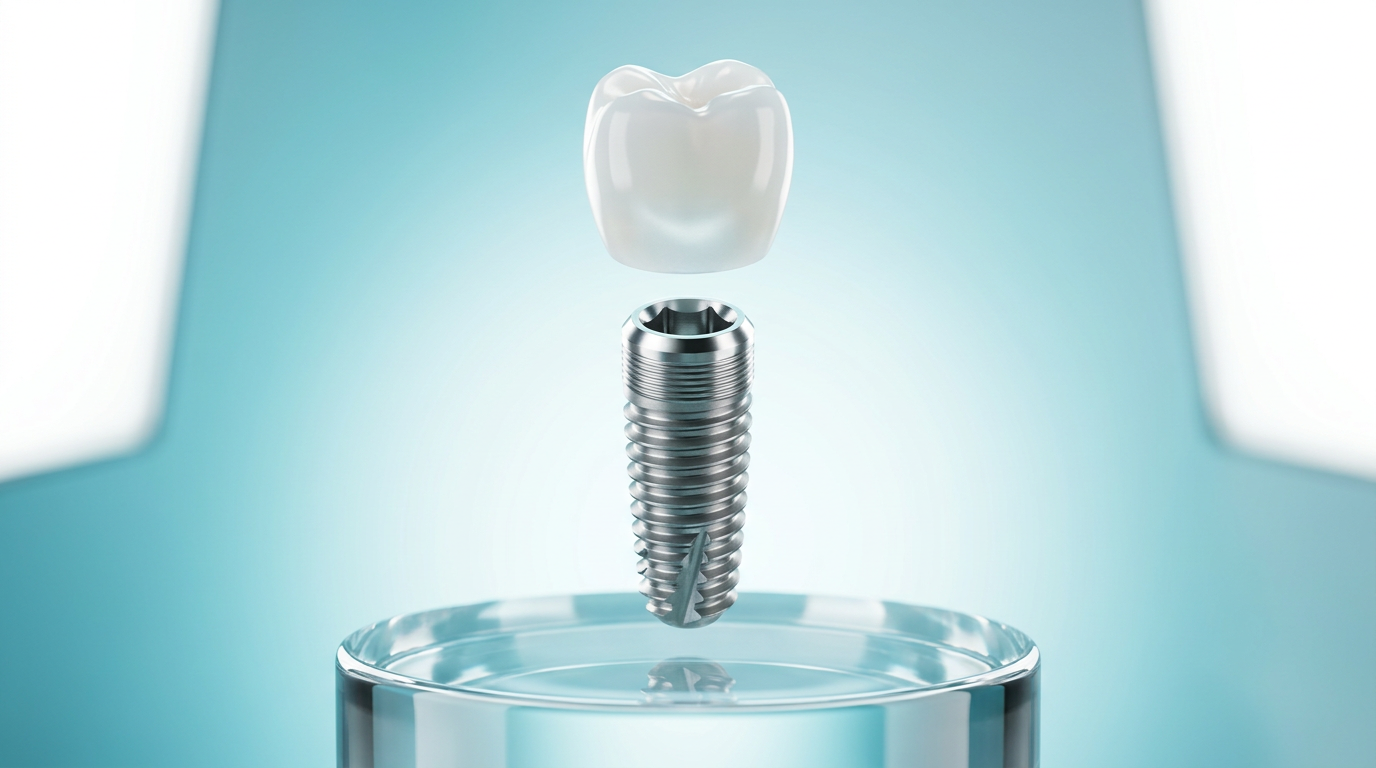
Implants
Missing teeth
Cleaning around complex dental work
This is where experience matters. The goal is not always to do more treatment. Often, the goal is to keep things comfortable, stable, cleanable, and functional.
A good plan for an older patient should respect health, comfort, independence, and personal priorities.
Nervous patients in the family
Dental anxiety can run through families, or it can begin with one difficult experience.
If someone is nervous, the first step is not treatment. The first step is trust.
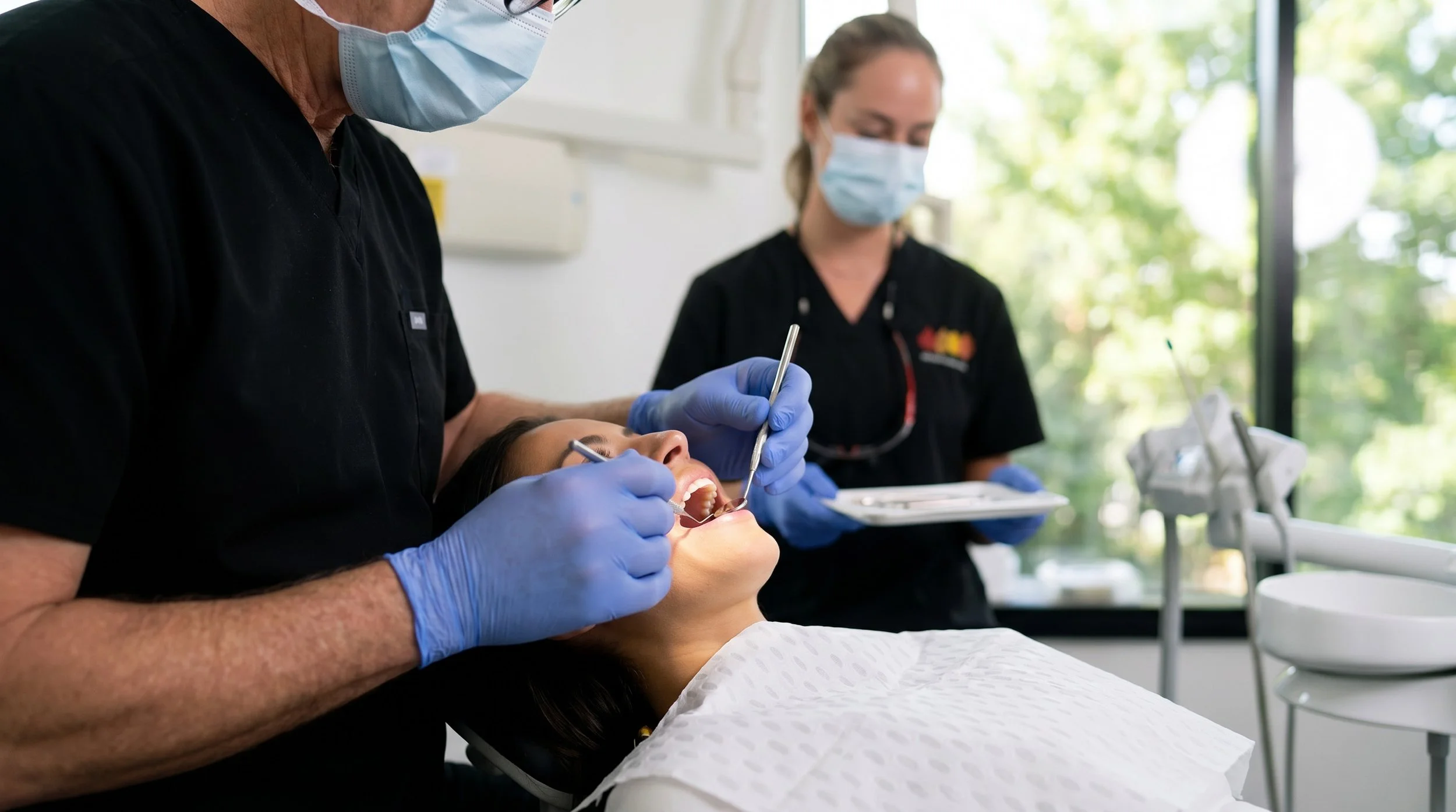
At Dentist In The Park, we take a calm and practical approach. We explain what is happening, work at a pace the patient can manage, and discuss comfort options where appropriate. The clinic also offers The Wand for local anaesthetic delivery and nitrous oxide, often called happy gas, for suitable nervous patients.
Not every person needs these options, but for the right patient they can make dental care feel more manageable.
What I look for in a family dental check-up
When I see a family, I am not just checking teeth one by one. I am looking for patterns.
For children, I look at development, brushing, diet, enamel, tooth eruption, and whether the visit feels positive.
For adults, I look at gums, decay risk, old fillings, tooth wear, bite, cracks, and any changes since the last visit.
For older patients, I look at function, comfort, gum support, cleanability, and whether existing dental work is holding up.
The details vary, but the principle is the same: understand the whole person, not just the tooth.
Choosing a family dentist in Bondi Junction
If you are choosing a family dentist, I would suggest looking for a practice that:
Cares for both children and adults
Explains treatment clearly
Focuses on prevention
Offers hygiene support
Can manage urgent issues
Understands nervous patients
Provides a broad range of services
Gives clear information about costs and options
Healthdirect notes that many Australians use private health insurance to help pay for dental care, but cover varies between funds, so it is important to check what is included before receiving dental care. At Dentist In The Park, HICAPS claiming is available on the day, and patients can ask our team about health fund claiming and eligibility.
Why continuity matters
One of the things I value most in family dentistry is continuity.
When I know a patient over time, I can see what is changing. I know which fillings have been stable, which teeth have been watched, whether gum health is improving, whether a child is becoming more confident, or whether a patient is starting to grind more heavily.
That context helps guide better decisions.
Dentistry is not just a single appointment. It is a long-term relationship with your mouth, your habits, and your health.
Request Family Dental Care in Bondi Junction
If you are looking for a family dentist in Bondi Junction, the best place to start is a check-up and a conversation. I can assess your family’s needs, explain what is healthy, what needs attention, and what can be monitored, then help you build a practical plan for children, adults, and older family members.
FAQs
What is a family dentist?
A family dentist provides dental care for patients across different ages and stages of life. This may include children’s dentistry, check-ups, cleans, fillings, gum care, crowns, orthodontic advice, cosmetic discussions, and urgent dental care.
When should my child first see a dentist?
Children should visit the dentist by the time their first tooth appears or by their first birthday. Early visits help children become familiar with the dental setting and give parents practical advice on brushing, diet, and prevention.
How often should children see a dentist?
The right interval depends on the child’s teeth, diet, brushing, decay risk, and development. Many children attend regularly, but the timing should be recommended by the dentist after assessment.
Can the whole family see the same dentist?
Yes. Many families prefer seeing the same dental team because it creates continuity. The dentist can understand family patterns, previous treatment, anxiety, habits, and long-term goals.
Do children need dental X-rays?
Not always. X-rays are only taken when clinically needed. They may be recommended to check decay between teeth, development, missing teeth, crowding, or other concerns that cannot be seen properly during a visual examination.
What if my child is nervous about the dentist?
A gentle first visit can help. We usually keep things calm, positive, and simple. The goal is to build confidence before treatment is ever needed. If a child is anxious, tell us beforehand so we can adjust the appointment.
Do adults still need check-ups if nothing hurts?
Yes. Many dental problems do not hurt in the early stages. Regular check-ups help detect decay, gum disease, cracks, tooth wear, and other issues before they become more complex.
Do you offer care for nervous adult patients?
Yes. We understand that many adults feel anxious about dental treatment. We explain each step, work at your pace, and can discuss comfort options such as nitrous oxide for suitable patients.
Other helpful articles