Invisalign Bondi Junction - How It Works, Timelines and Who It Suits
A lot of people ask me about Invisalign because they want straighter teeth without traditional braces. That is understandable. Clear aligners are discreet, removable, and often fit more easily into adult life than fixed brackets and wires.
But the most important question is not simply, “Can I get Invisalign?”
The better question is, “Is Invisalign the right tool for my teeth, my bite, my lifestyle, and my long-term oral health?”
After many years of treating orthodontic cases, I have learned that clear aligner treatment works best when the planning is honest from the beginning. Some cases are very suitable. Some need a different approach. Some need gum health, fillings, or bite issues addressed first.
This guide explains how Invisalign works, who it may suit, what timelines can look like, and what I look for before recommending clear aligner treatment at Dentist In The Park in Bondi Junction.
What is Invisalign?
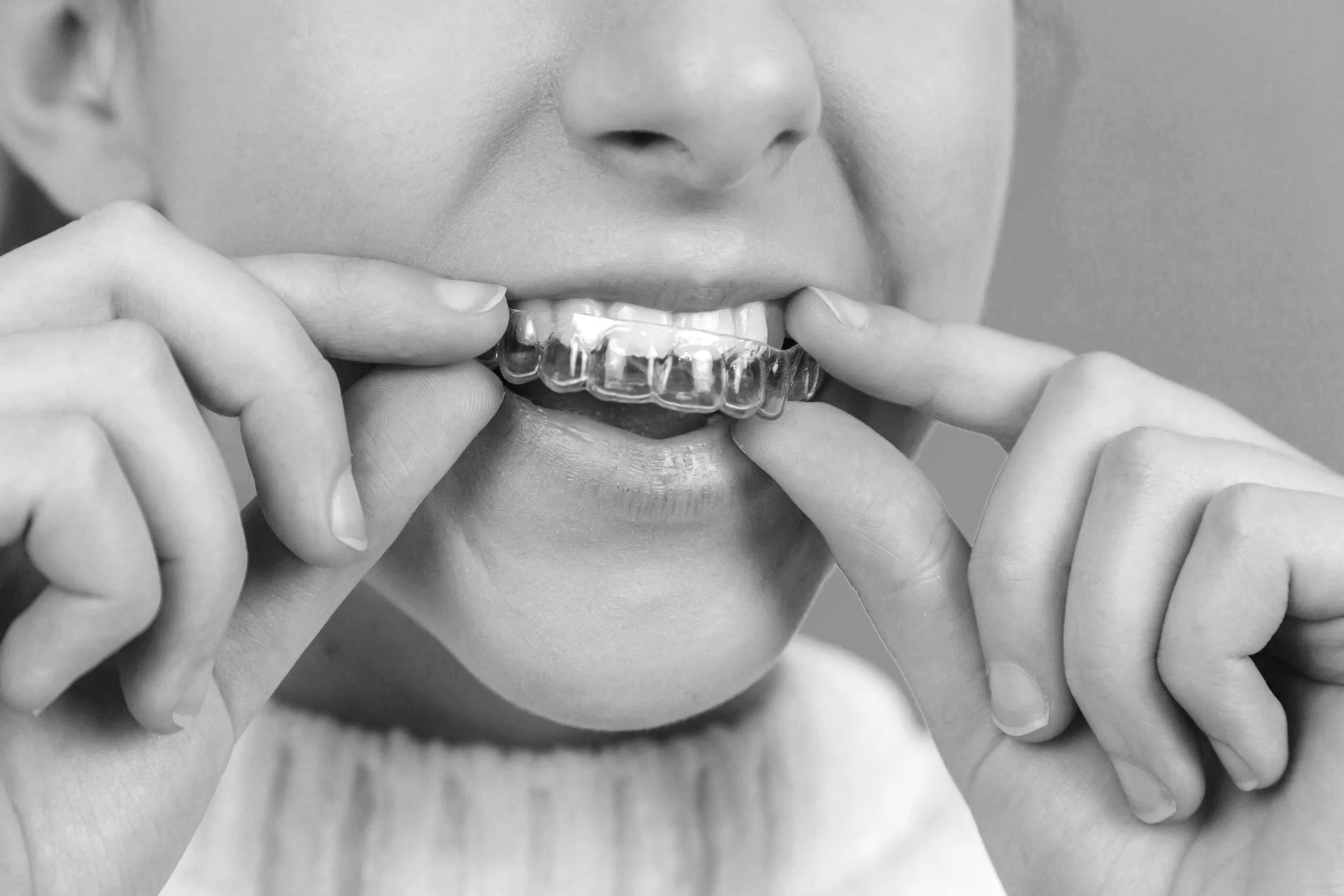
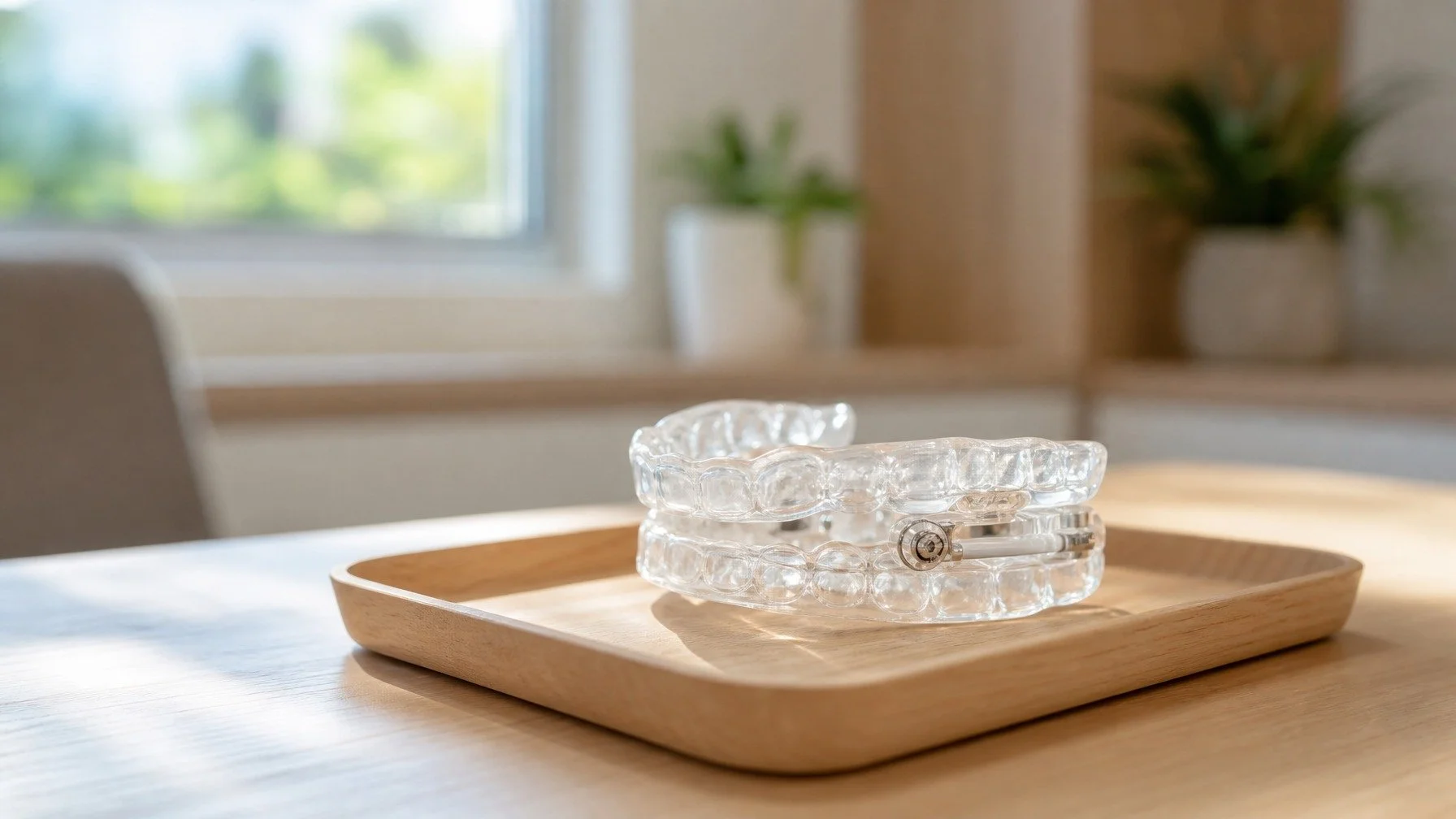
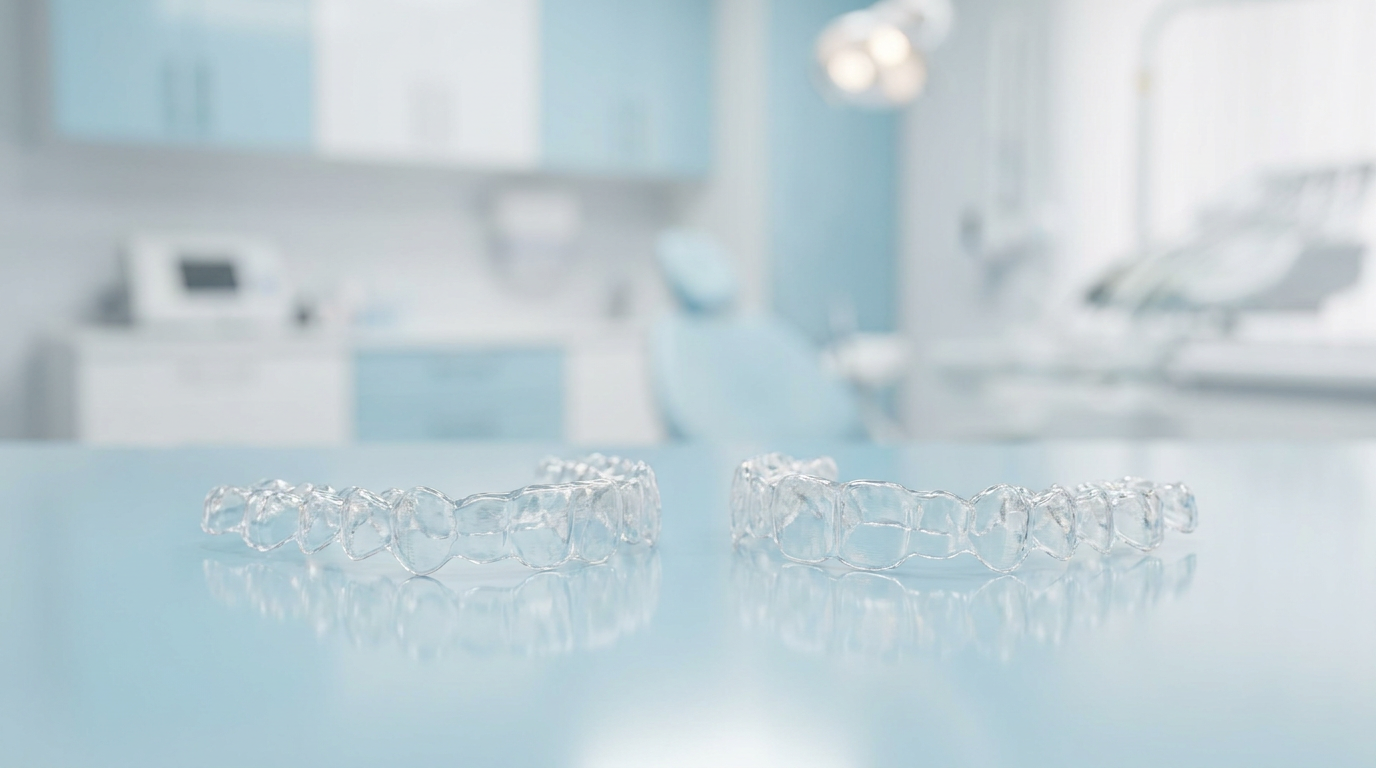
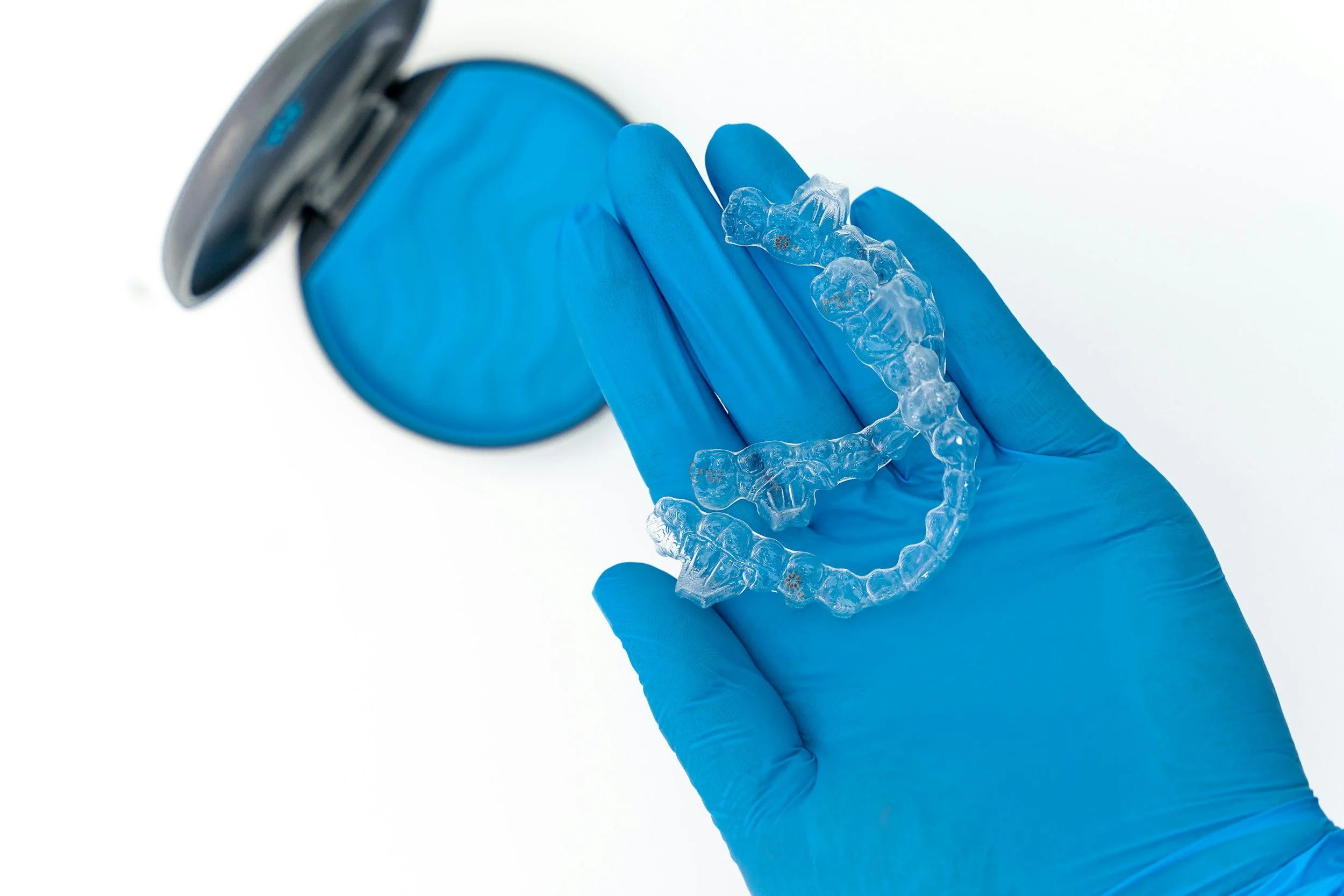
Invisalign is a clear aligner system that uses a series of removable, custom-made aligners to gradually move teeth. Invisalign Australia describes the treatment as wearing a series of clear, removable aligners that straighten teeth without brackets and wires.
Clear aligners are made to fit over your teeth and are designed to apply controlled pressure over time. Healthdirect describes clear aligners as thin plastic trays worn over the teeth to straighten them, and notes that suitability depends on how much correction is needed.
In simple terms, each aligner is one small step in a planned sequence.
How Invisalign works
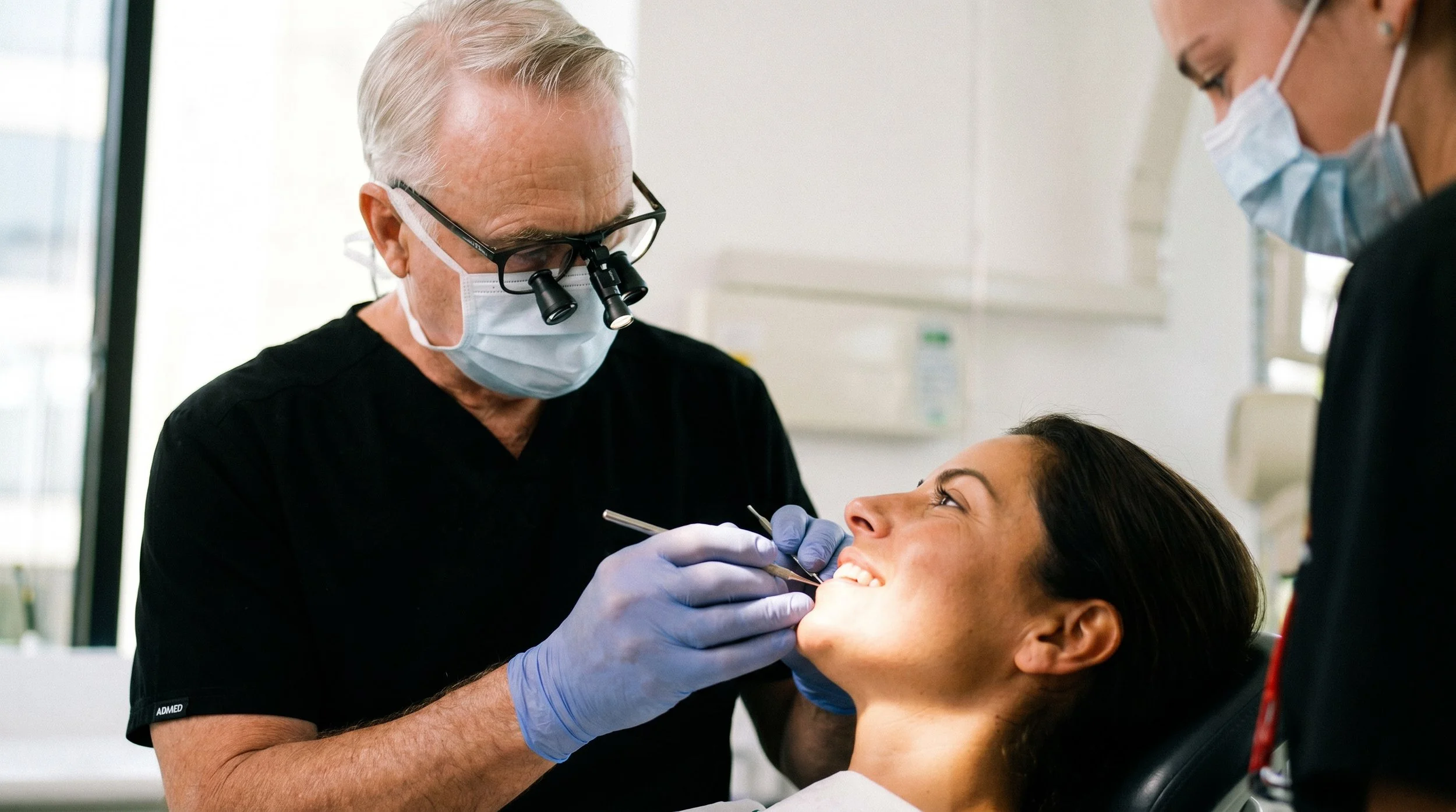
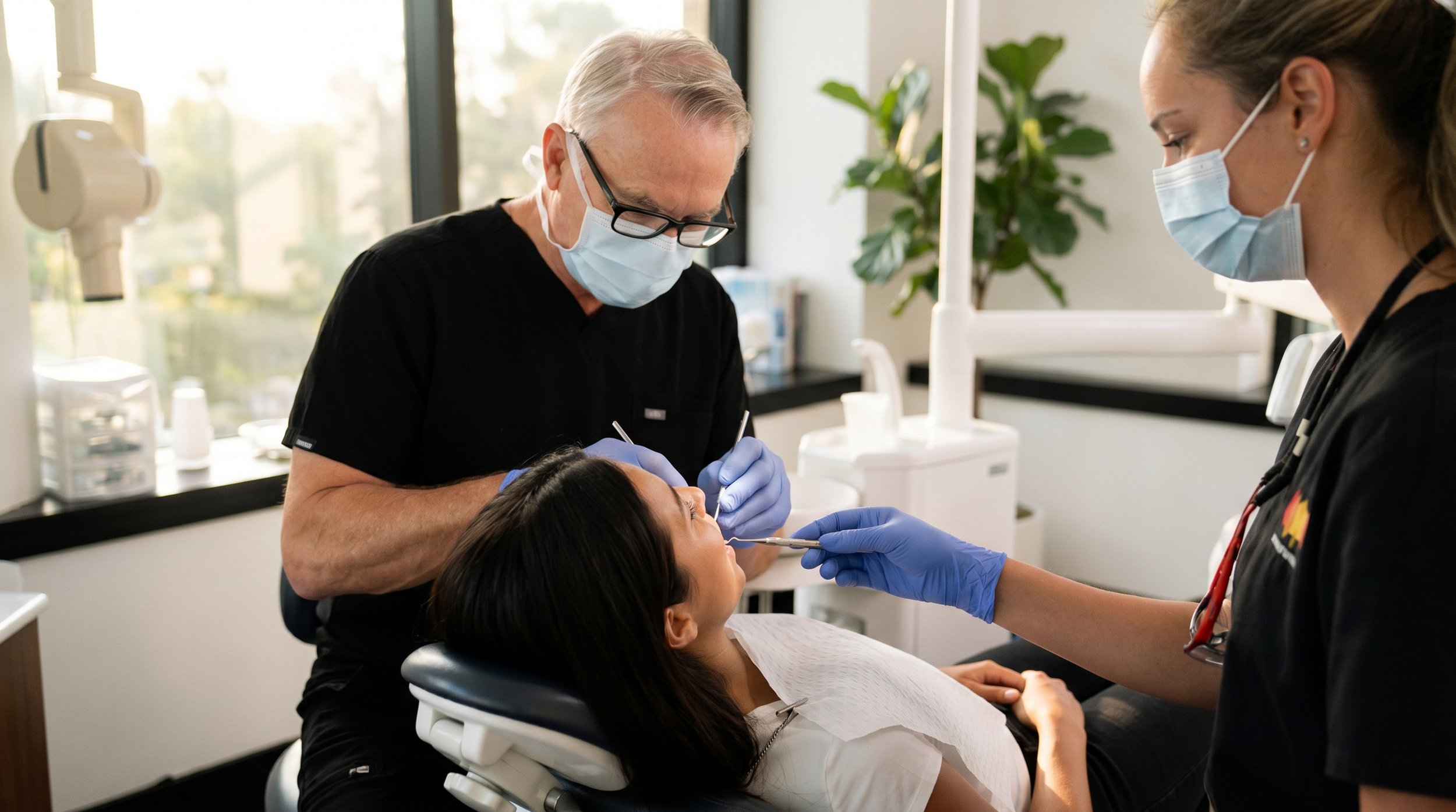
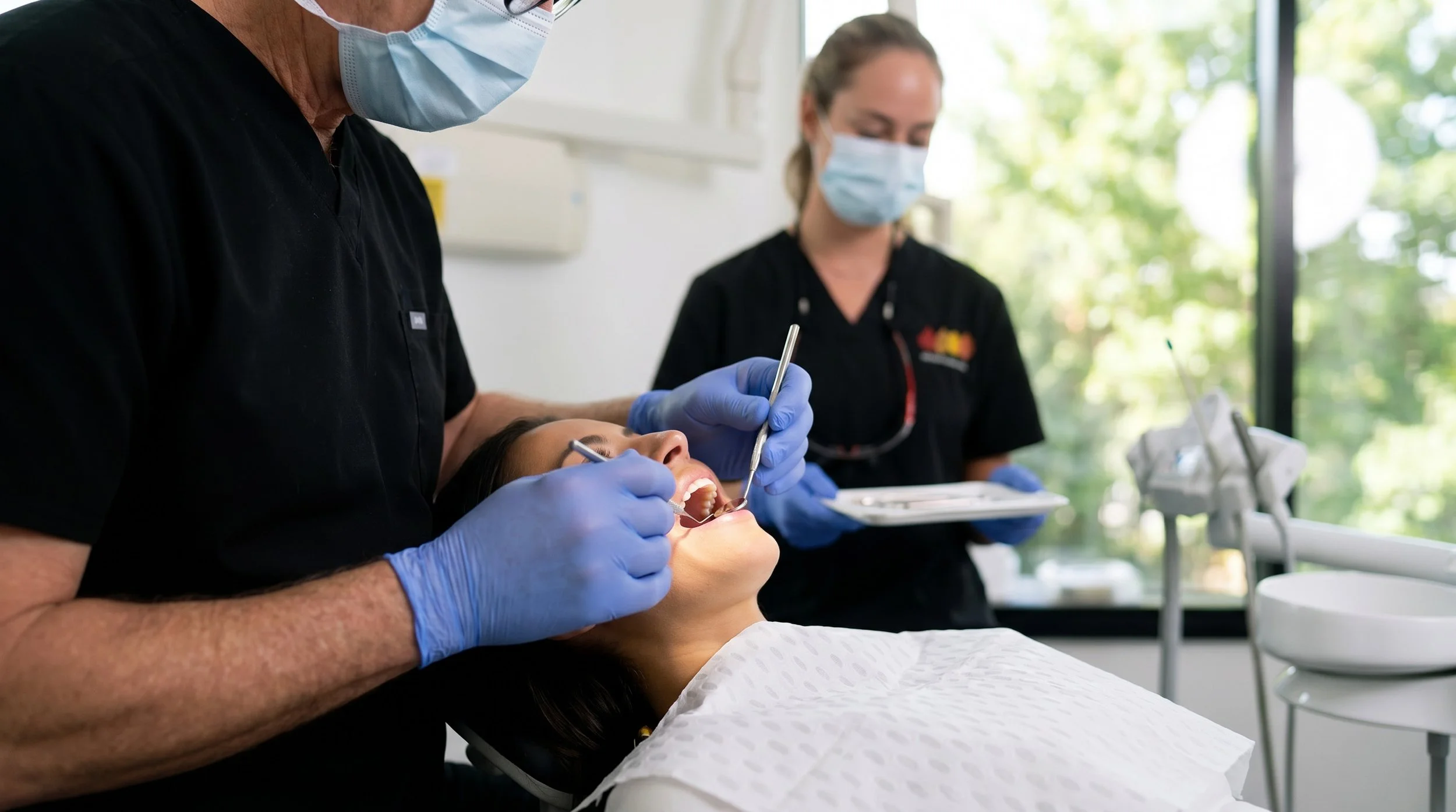
The process usually starts with an assessment. I look at the teeth, gums, bite, jaw relationship, tooth wear, and any existing dental work. Orthodontic treatment can involve braces, aligners, and retainers, and it can also help correct bite problems, which is why the bite needs to be assessed properly before treatment begins.
A typical Invisalign pathway looks like this:
Assessment
We examine your teeth, gums, bite, and oral health.Digital records and planning
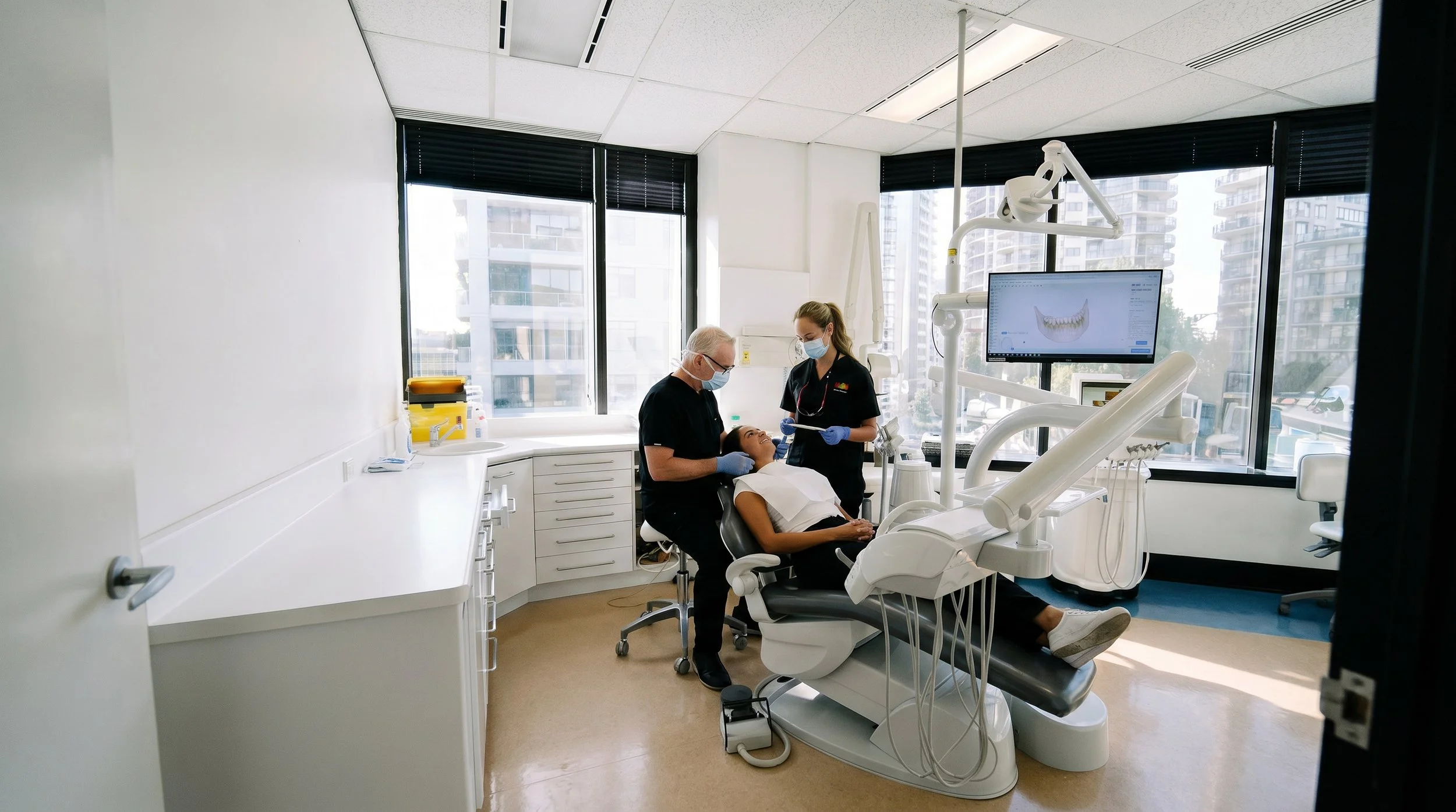
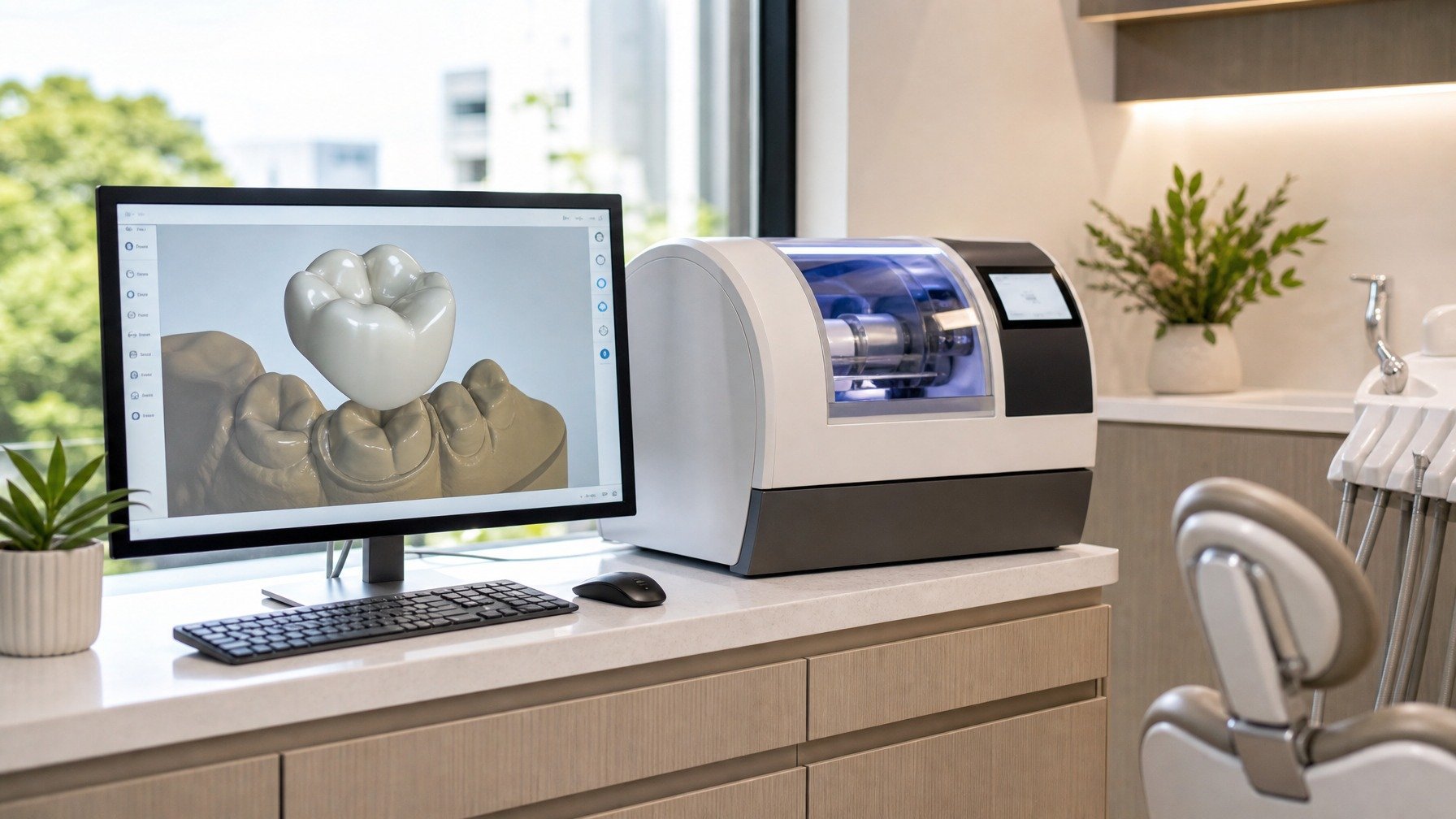
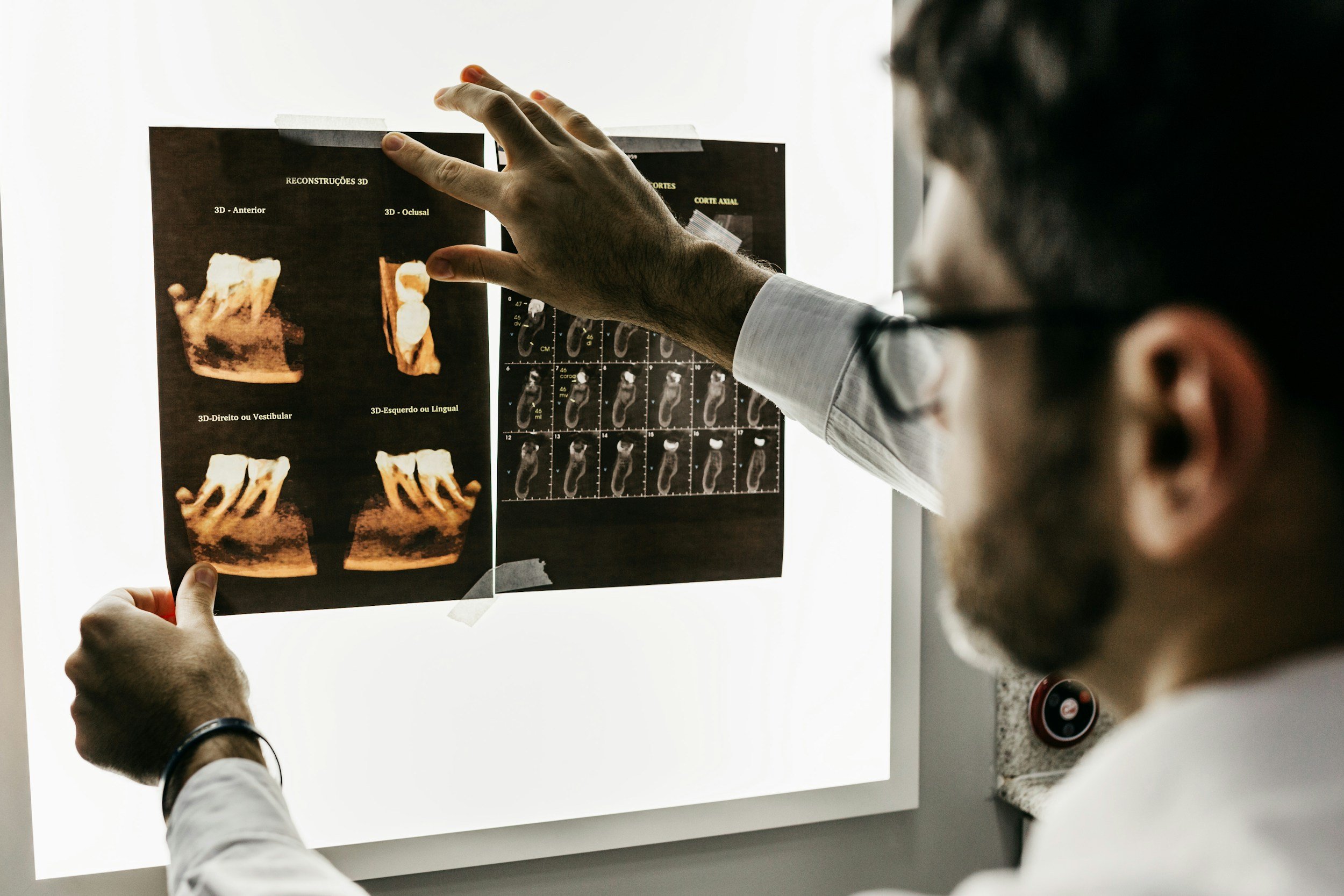
We take scans, photos, and any necessary X-rays or records. Healthdirect notes that orthodontic assessment may include X-rays and digital or plaster models of the teeth.Treatment planning
We plan how the teeth should move, which teeth are suitable to move, and whether attachments or refinements may be needed.Aligner fitting
You receive your aligners and instructions for wear, cleaning, and appointments.Review appointments
We monitor tooth movement, fit, hygiene, and comfort.Retention
After active treatment, retainers help reduce the risk of teeth shifting back.
That last step matters. Straightening teeth is only part of orthodontics. Keeping them stable is just as important.
Who Invisalign may suit
Invisalign may suit patients with mild to moderate concerns such as:
Crowding
Spacing
Mild bite issues
Teeth that have shifted after previous orthodontic treatment
Adults wanting a discreet teeth-straightening option
Responsible teens who can follow wear instructions
Clear aligners can work very well, but they rely heavily on cooperation. Orthodontics Australia notes that if you are not likely to consistently wear aligners for at least 20 to 22 hours per day, you may not be a good candidate for this type of treatment.
That is one of the first things I talk about with patients. Invisalign is removable, which is a benefit. But because it is removable, the patient has to do their part.
Who may not be suitable for Invisalign?
Invisalign is not the right answer for every case.
You may need another option if:
Tooth movement required is too complex
The bite needs more control than aligners can reliably provide
Gum health is not stable
There is active decay or untreated dental disease
You grind heavily and need additional planning
You are unlikely to wear aligners consistently
Sometimes traditional braces, staged treatment, or referral to a specialist orthodontist is the better pathway. That is not a failure of Invisalign. It is simply choosing the right tool for the job.
How long does Invisalign take?
Treatment time depends on the starting position of the teeth, the complexity of the bite, and how consistently aligners are worn.
Some simple cases may be relatively short. More involved cases can take much longer. Healthdirect explains that orthodontic treatment depends on the person’s needs and that treatment planning should include discussion of costs and what is involved.
The biggest practical factors that affect Invisalign timelines are:
How much the teeth need to move
Whether bite correction is involved
Whether attachments are needed
Whether refinements are required
How consistently aligners are worn
Gum health and oral hygiene during treatment
In my experience, the people who do best are the ones who treat aligners like a routine. They wear them properly, keep them clean, come to reviews, and ask questions early if something does not feel right.
What does wearing Invisalign feel like?
Most people feel pressure or tightness when they start a new aligner. That is normal. It usually means the aligner is applying force to move teeth.
Some patients notice:
Mild pressure for the first day or two
Slight speech changes at the beginning
More saliva at first
A feeling of tightness when changing aligners
These effects usually settle as you adapt.
The main advantage is that clear aligners can be removed for meals and cleaning. Healthdirect notes that aligners are generally worn all the time except when eating and drinking.
Daily habits that make Invisalign work better
The success of clear aligner treatment is not only in the planning. It is in the daily habits.
I normally explain it this way: the aligners move the teeth, but the patient drives the treatment.
Good Invisalign habits include:
Wearing aligners for the recommended hours each day
Removing them for meals
Drinking water only while aligners are in
Brushing and flossing before putting aligners back in
Keeping aligners in their case when removed
Avoiding hot water, which can distort plastic
Attending review appointments as planned
If aligners are left out too often, the teeth may not track properly. That can extend treatment or require additional aligners.
Invisalign and oral hygiene
One of the benefits of aligners is that you can remove them to brush and floss normally. That can make oral hygiene simpler than cleaning around fixed braces.
But there is one important warning. Aligners cover the teeth for much of the day. If you trap sugar, acid, or plaque under them, it can increase the risk of decay, staining, or gum irritation.
That is why I am very direct about hygiene during aligner treatment. If you are going to wear aligners, you need to keep both your teeth and the aligners clean.
Invisalign vs braces
Patients often ask whether Invisalign is better than braces. The honest answer is that it depends on the case.
Invisalign may be preferred when:
Discretion matters
The case is suitable for aligners
The patient wants removability
Oral hygiene is likely to be well maintained
Compliance is strong
Braces may be better when:
Tooth movements are more complex
The bite needs more control
Compliance is a concern
A fixed appliance is more predictable for the case
Orthodontic treatment is not only about straight front teeth. It is about alignment, bite, health, stability, and long-term function.
Invisalign and cosmetic dentistry
This is an area where planning matters.
Some people come in asking for veneers because they want straighter-looking teeth. In some cases, it may be more conservative to straighten the teeth first, then use minimal cosmetic treatment only where needed.
That does not mean everyone needs orthodontics before cosmetic dentistry. It means the sequence should be considered carefully.
A common approach might be:
Improve gum health and oral hygiene
Straighten teeth with aligners if suitable
Whiten natural teeth if appropriate
Consider bonding, veneers, or restorations only where still needed
This approach can sometimes preserve more natural tooth structure. It can also create a more natural-looking result.
What happens after Invisalign?
After Invisalign, retainers are essential. Teeth naturally tend to move over time, especially after orthodontic treatment. Orthodontics Australia explains that retainers are used after orthodontic treatment to help hold teeth in their new position.
I usually tell patients that retention is not optional. It is part of the treatment.
Your retainer plan may involve:
Wearing retainers regularly at first
Transitioning to night wear
Long-term maintenance
Replacing retainers when they wear out or no longer fit well
The aligners straighten the teeth. Retainers help protect the result.
What I look for before recommending Invisalign
When I assess someone for Invisalign in Bondi Junction, I am not just looking at whether the teeth are crooked.
I am looking at:
Gum health
Bone support
Bite relationship
Tooth wear
Crowding or spacing
Previous orthodontic relapse
Existing crowns, veneers, implants, or fillings
Jaw comfort
Patient motivation
Long-term maintenance
A good Invisalign case is not just one where the teeth can move. It is one where the movement makes sense.
When to request an Invisalign assessment
It is worth requesting an appointment if:
You have crowding or spacing
Your teeth have shifted after braces
You want a discreet alternative to braces
You are considering veneers but may benefit from straightening first
You have bite concerns or uneven wear
You want to understand whether aligners are suitable for your case
At Dentist In The Park, the goal is not to push one system. It is to assess what is appropriate and explain the options clearly.
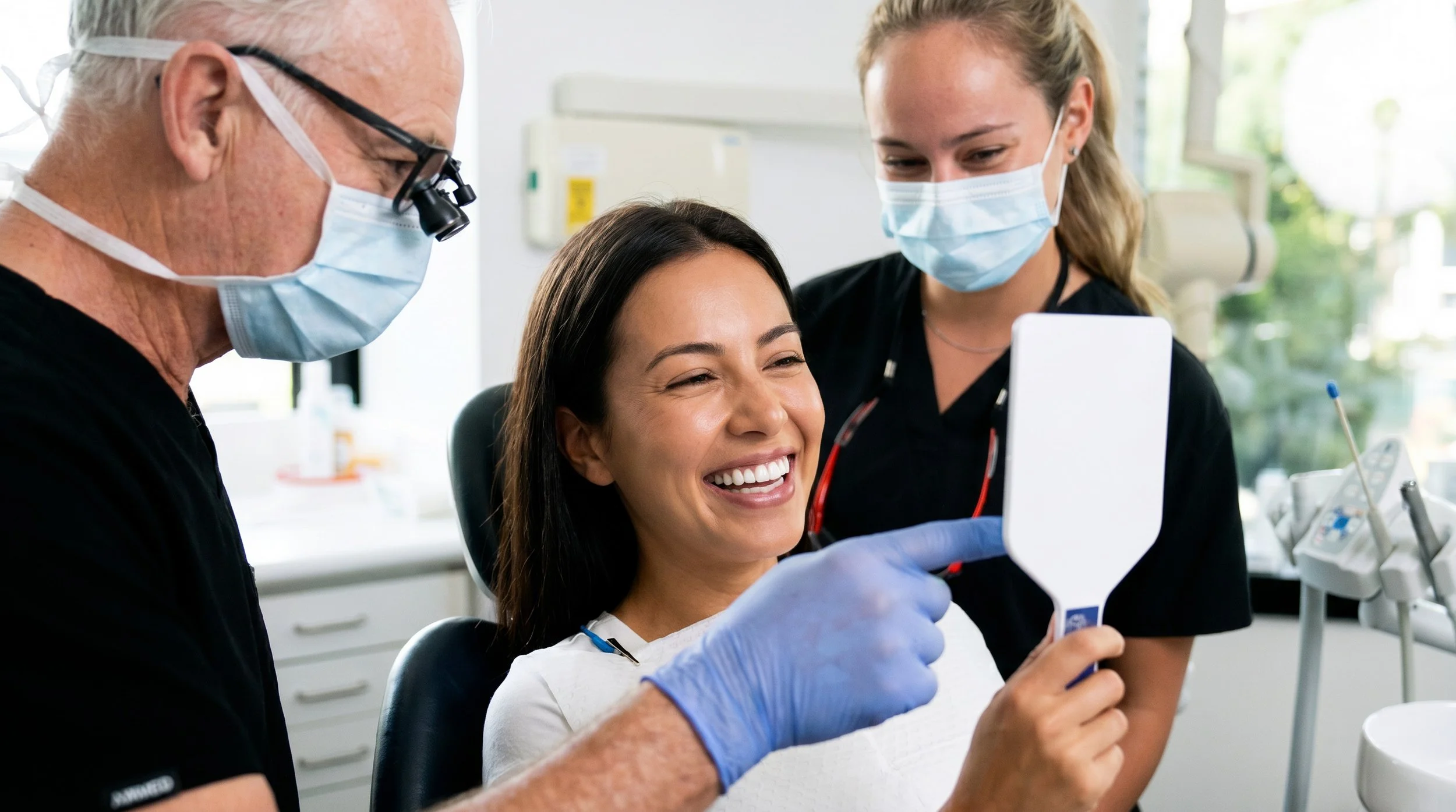
If you are considering Invisalign in Bondi Junction, the best next step is an assessment of your teeth, bite, gums, and goals.
At Dentist In The Park, I will explain whether clear aligners are suitable, what the likely pathway involves, and whether Invisalign, Angel Aligner, braces, or another approach makes the most sense for your smile.
FAQs
Is Invisalign suitable for everyone?
No. Invisalign can suit many mild to moderate cases, but it is not right for every bite or every patient. Suitability depends on the teeth, gums, bite, oral health, and whether the patient can wear aligners consistently.
How many hours a day do I need to wear Invisalign?
Clear aligners usually need to be worn for 20 to 22 hours per day. Orthodontics Australia notes that people who are unlikely to wear aligners consistently for that amount of time may not be good candidates for clear aligner treatment.
Can I eat with Invisalign in?
No. Aligners should usually be removed for eating. Water is generally fine, but food and sugary drinks should be avoided while aligners are in because they can increase the risk of staining, plaque build-up, and decay.
Does Invisalign hurt?
Most people describe it as pressure or tightness rather than pain, especially when changing to a new aligner. This usually settles as the teeth adapt.
Is Invisalign faster than braces?
Not always. Treatment time depends on the complexity of the case and how consistently aligners are worn. In some cases, braces may be more suitable or efficient.
Can I have Invisalign if I already have crowns or veneers?
Sometimes, yes. It depends on the condition of the restorations, the planned tooth movements, and whether attachments are needed. This needs to be assessed clinically.
Will my teeth move back after Invisalign?
They can if retainers are not worn as advised. Retention is an important part of orthodontic treatment because teeth can shift over time after active treatment.
Other helpful articles