Angel Aligner vs Invisalign in Bondi Junction - What’s the Difference?
Patients often ask me whether they should choose Angel Aligner or Invisalign.
It is a sensible question. Both are clear aligner systems. Both use a series of custom-made trays to move teeth gradually. Both can be removed for eating, drinking, brushing and flossing. Both can be a good option for the right patient.
But the brand is only one part of the decision.
In my experience, the most important question is not, “Which aligner brand is best?” It is, “Which treatment plan is best for this mouth, this bite, this patient, and this long-term goal?”
At Dentist In The Park in Bondi Junction, we offer both Angel Aligner and Invisalign, and the recommendation should always come after a proper assessment of your teeth, gums, bite, lifestyle and expectations.
What are clear aligners?
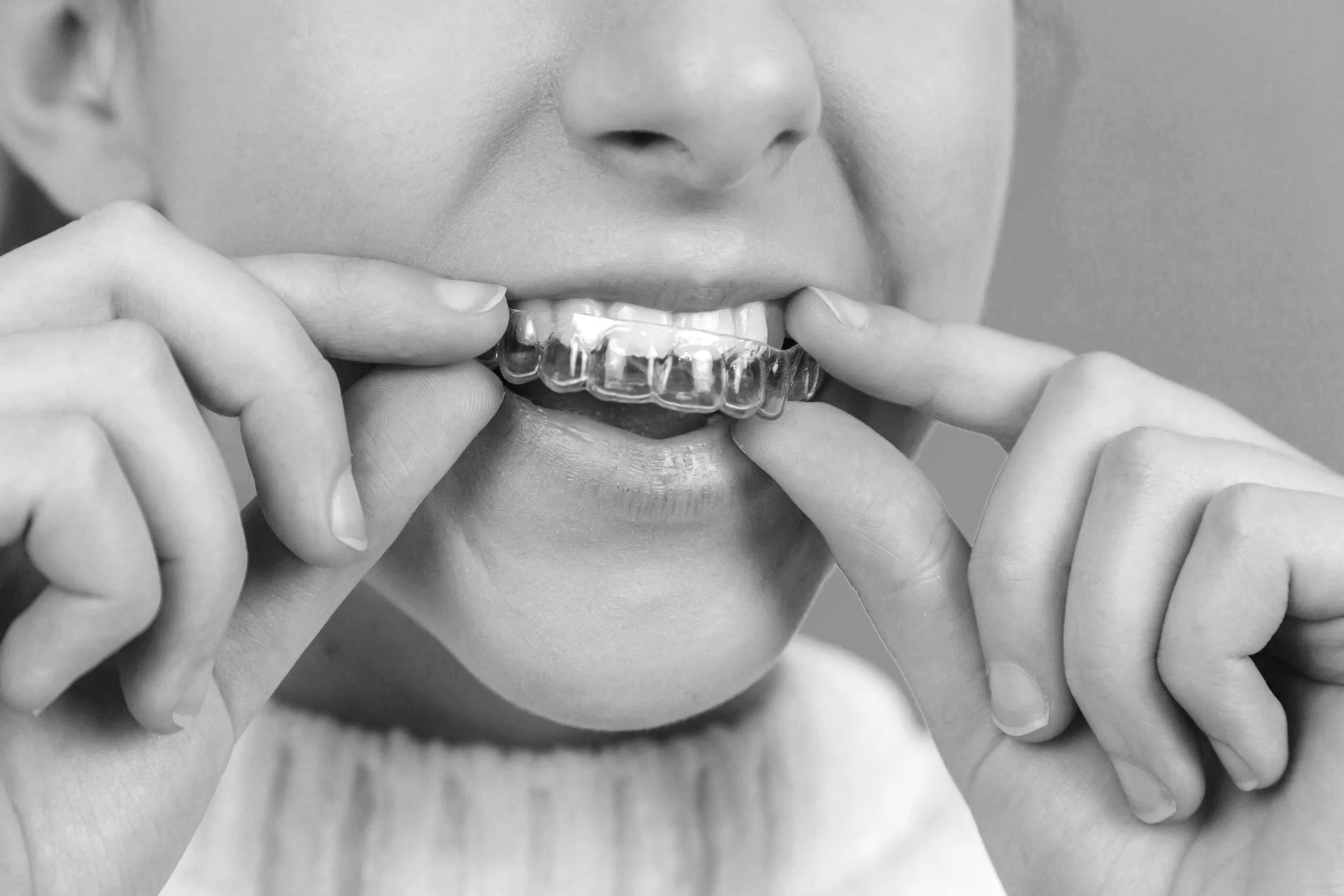
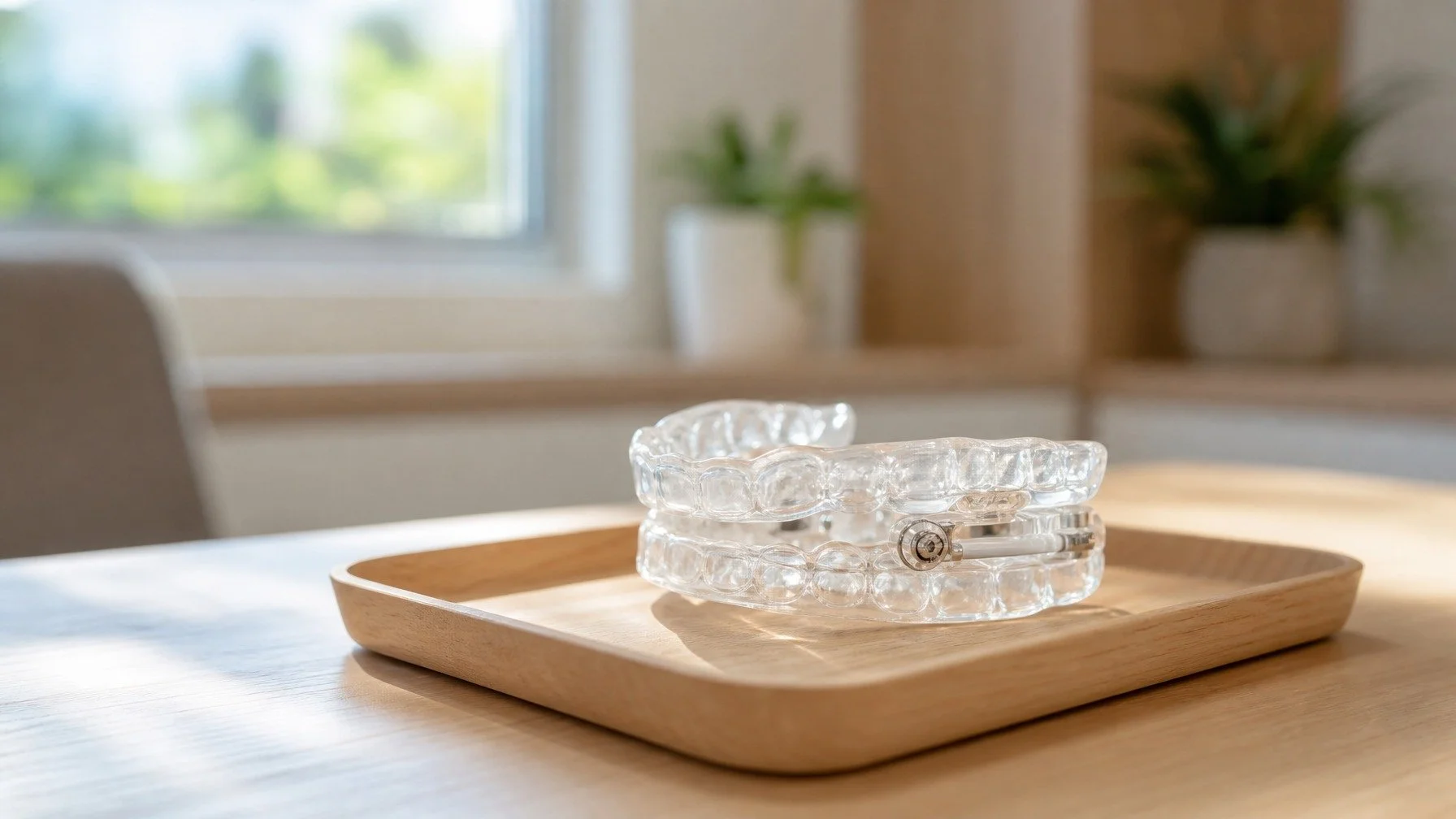
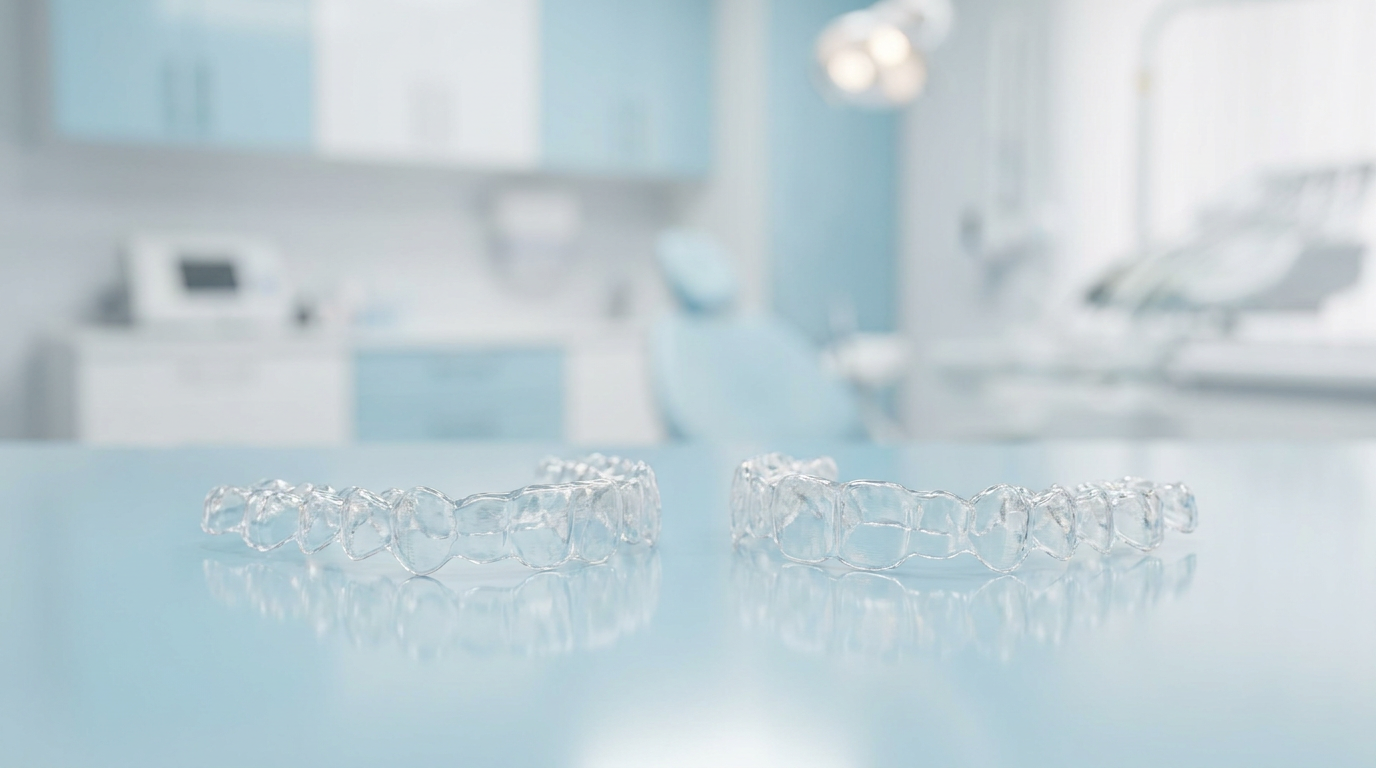
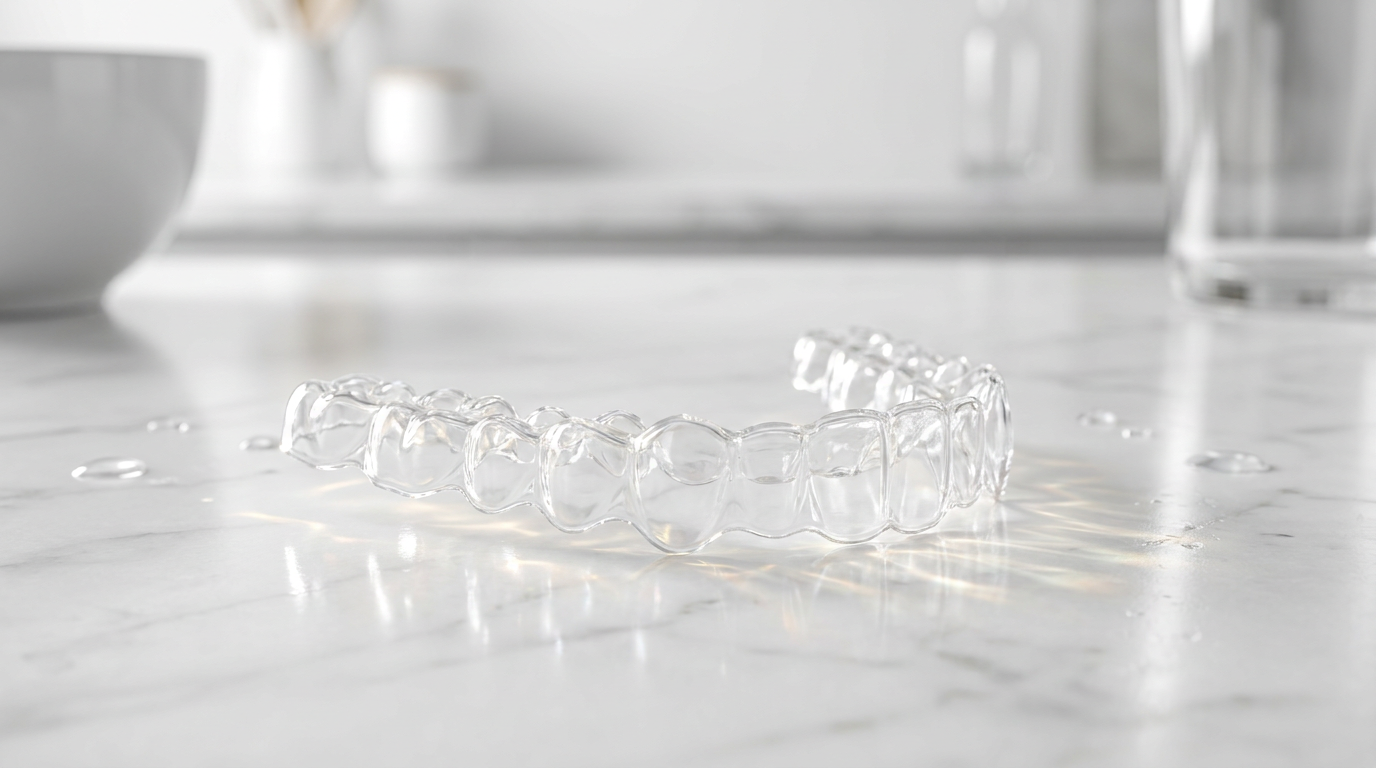
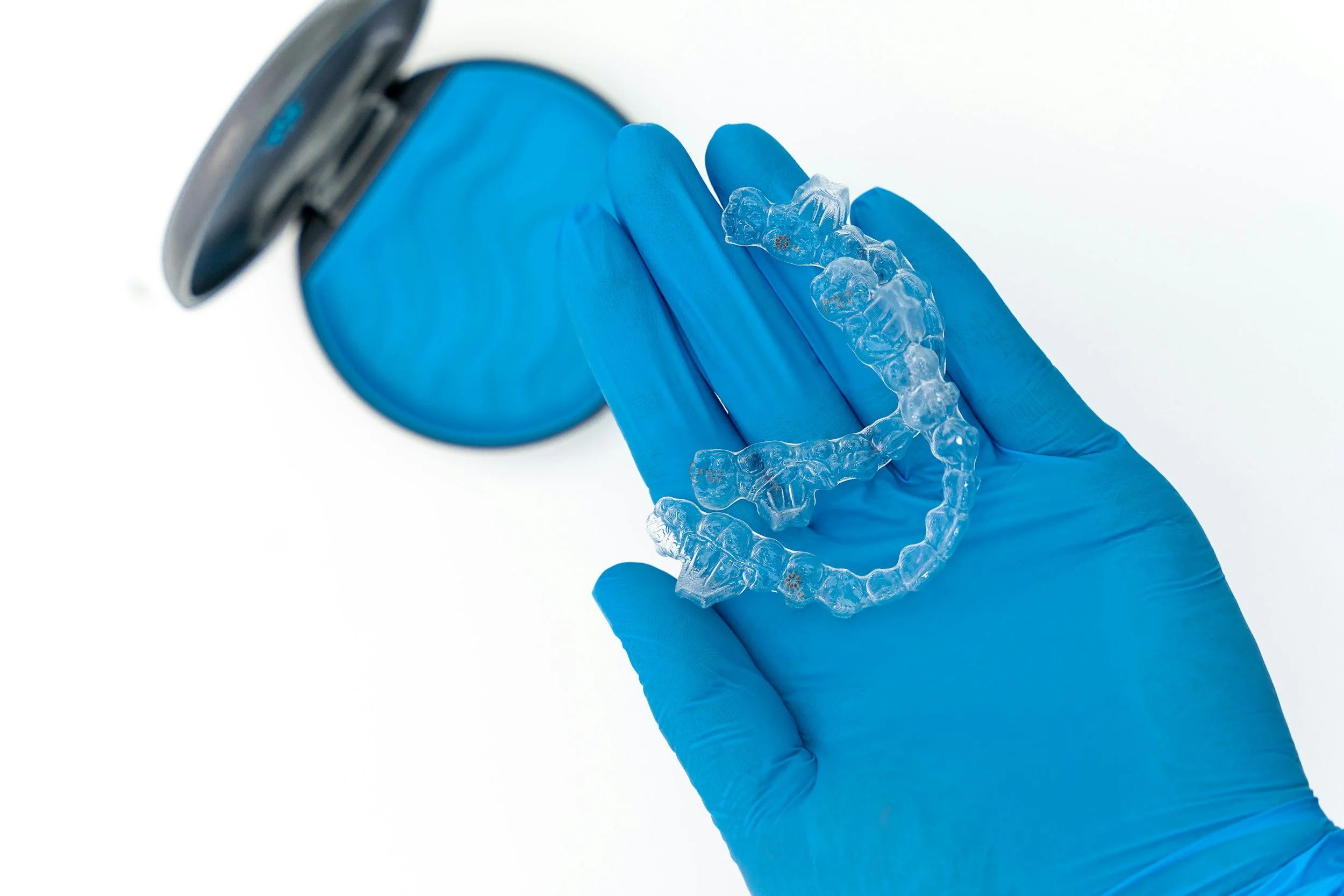
Clear aligners are thin plastic trays worn over the teeth to gradually straighten them. Healthdirect describes clear aligners as an alternative to traditional braces, custom-made for each person and generally worn all the time except when eating and drinking.
That removability is one of the biggest reasons people like aligners. You can take them out to eat, brush and floss. But it also means treatment depends heavily on consistency.
If aligners are not worn properly, teeth may not move as planned.
What is Invisalign?
Invisalign is one of the best-known clear aligner systems in the world. Invisalign Australia describes Invisalign treatment as wearing a series of clear, removable aligners that gradually straighten teeth without brackets and wires.
Invisalign also highlights its SmartTrack material and states that Invisalign aligners and retainers are trimmed based on each patient’s gum line for comfort and aesthetics.
From a patient perspective, the main advantages of Invisalign are familiarity, brand recognition, a mature treatment platform, and a large body of clinical experience across many providers.
That does not mean Invisalign is automatically better for every patient. It means it is a strong and established option when the case is suitable.
What is Angel Aligner?
Angel Aligner is another clear aligner system used by dental and orthodontic professionals. Angel Aligner’s Australian site describes the system as combining digital tools, advanced manufacturing, and a doctor-first experience. It also lists product lines including Angel Aligner Pro, Angel Aligner Select, Angel Aligner KiD and Angel Aligner Retainer.
In practical terms, Angel Aligner gives clinicians another aligner system to consider when planning tooth movement.
For patients, the key point is not simply the name of the system. It is whether the aligner plan is suitable for your teeth, your bite and the kind of correction you need.
The biggest difference is not always the brand
This is the part I really want patients to understand.
Clear aligners do not work because of branding alone. They work when the diagnosis is sound, the plan is realistic, the teeth are suitable to move, and the patient wears the aligners consistently.
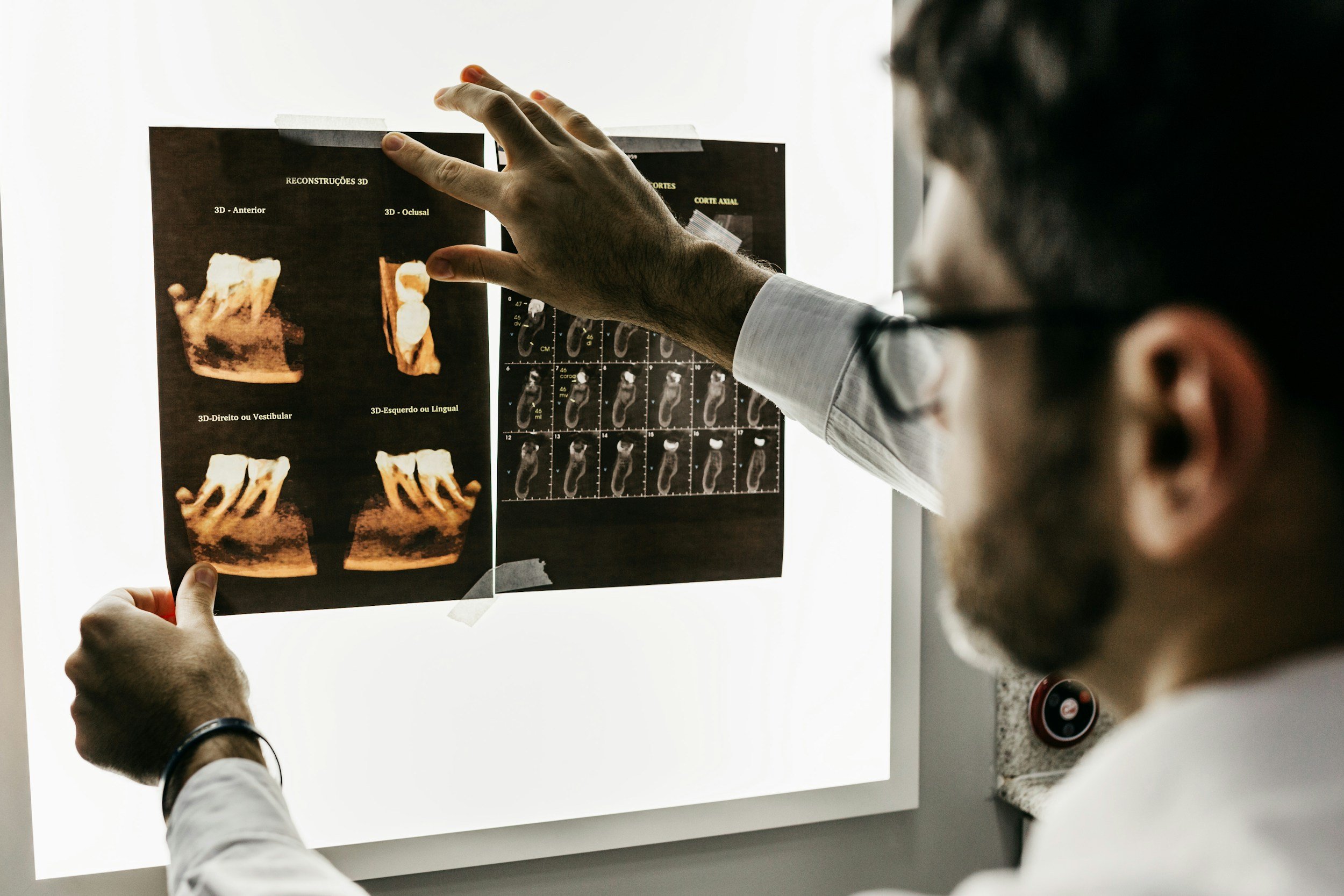
Orthodontic treatment can straighten crooked teeth and correct bite problems, and the process may involve braces, aligners and retainers. Healthdirect also notes that orthodontic assessment may include examination, X-rays, and plaster or digital models of the teeth.
That is why the planning appointment matters so much.
A good clear aligner case depends on:
Tooth position
Bite relationship
Gum health
Bone support
Tooth wear
Existing crowns, veneers or fillings
Jaw comfort
Whether attachments are needed
Whether refinements may be required
Whether the patient can wear aligners consistently
The brand matters, but it is not the whole story.
When Invisalign may be preferred
Invisalign may be preferred when:
The patient specifically wants the most recognised aligner brand
The case fits well within Invisalign workflows
The clinician believes Invisalign’s system and attachments suit the planned tooth movements
The patient values the established Invisalign ecosystem
Some people feel more confident choosing Invisalign because they have heard of it before. That is reasonable, but I still prefer to explain the plan rather than rely on the brand name alone.
When Angel Aligner may be preferred
Angel Aligner may be preferred when:
The case is suitable for its treatment system
The clinician believes its planning options suit the case
The patient is open to a strong clear aligner alternative
The treatment plan can be managed well through clinical review
Angel Aligner’s own Australian site positions the system around digital tools, advanced manufacturing and support for clinicians.
Again, the decision should not be made from marketing alone. It should be made after looking at the mouth.
What clear aligners can commonly help with
Clear aligners may help with:
Mild to moderate crowding
Small gaps
Relapse after earlier orthodontics
Some bite concerns
Tooth position before cosmetic dentistry
Healthdirect notes that clear aligner suitability may depend on how much correction is needed to straighten your teeth.
That is why I am cautious with promises. Some cases look simple but are more complex once we check the bite. Others look crowded but can be managed very nicely with aligners.
When braces may be better than aligners
There are still cases where braces may be the better option.
That may include:
More complex bite correction
Teeth needing more controlled movement
Cases where aligner wear may be inconsistent
Some rotations, vertical movements or space closure situations
Younger patients who may not reliably wear removable appliances
Healthdirect explains that orthodontic treatment may involve braces or aligners, and the right option depends on the treatment plan.
In my view, braces and aligners should not be seen as “old versus new”. They are different tools. The skill is choosing the right one.
Wear time matters more than most patients realise
Clear aligners are removable, but that flexibility comes with responsibility.
Healthdirect notes that aligners need to be worn all the time other than when eating and drinking.
In practical terms, if a patient regularly leaves aligners out for long periods, teeth may stop tracking properly. That can lengthen treatment, reduce accuracy, or require extra refinements.
Before starting any aligner treatment, I want patients to be honest with themselves.
Can you wear them consistently?
Can you keep them clean?
Can you remove them for meals and put them back in?
Can you attend review appointments?
If the answer is yes, clear aligners may be a good fit. If the answer is no, a fixed option may be more practical.
Hygiene during aligner treatment
One advantage of clear aligners is that they can be removed for brushing and flossing. That can make hygiene easier than cleaning around fixed brackets.
But there is a catch. Aligners cover the teeth for many hours each day. If food, sugar or plaque is trapped under them, it can increase the risk of decay, staining or gum irritation.
Healthdirect lists poor dental hygiene as one of the risks associated with braces, aligners and retainers, including tooth decay, discolouration and gum infection.
That is why hygiene is part of treatment, not an afterthought.
Retainers after Angel Aligner or Invisalign
After treatment, retainers are essential.
Healthdirect explains that retainers help keep teeth in position after braces, and that teeth can move again if retainers are not worn as advised.
I usually tell patients that active treatment moves the teeth, but retention protects the result.
That means you should expect a retention plan, whether you choose Angel Aligner, Invisalign or braces.
Should you choose Angel Aligner or Invisalign?
The honest answer is that you should not choose based on the name alone.
You should choose after a proper assessment.
I would consider:
How much movement is needed
Whether your bite needs correction
Whether aligners are suitable at all
Which system gives the best planning pathway
What attachments or refinements may be needed
Your hygiene and wear habits
Your budget and expectations
Whether braces would be more appropriate
If both systems are suitable, the decision may come down to clinical preference, treatment plan design and patient preference. If one system is better suited to your case, I will explain why.
My approach at Dentist In The Park
At Dentist In The Park, I do not want patients choosing treatment from a brand comparison alone.
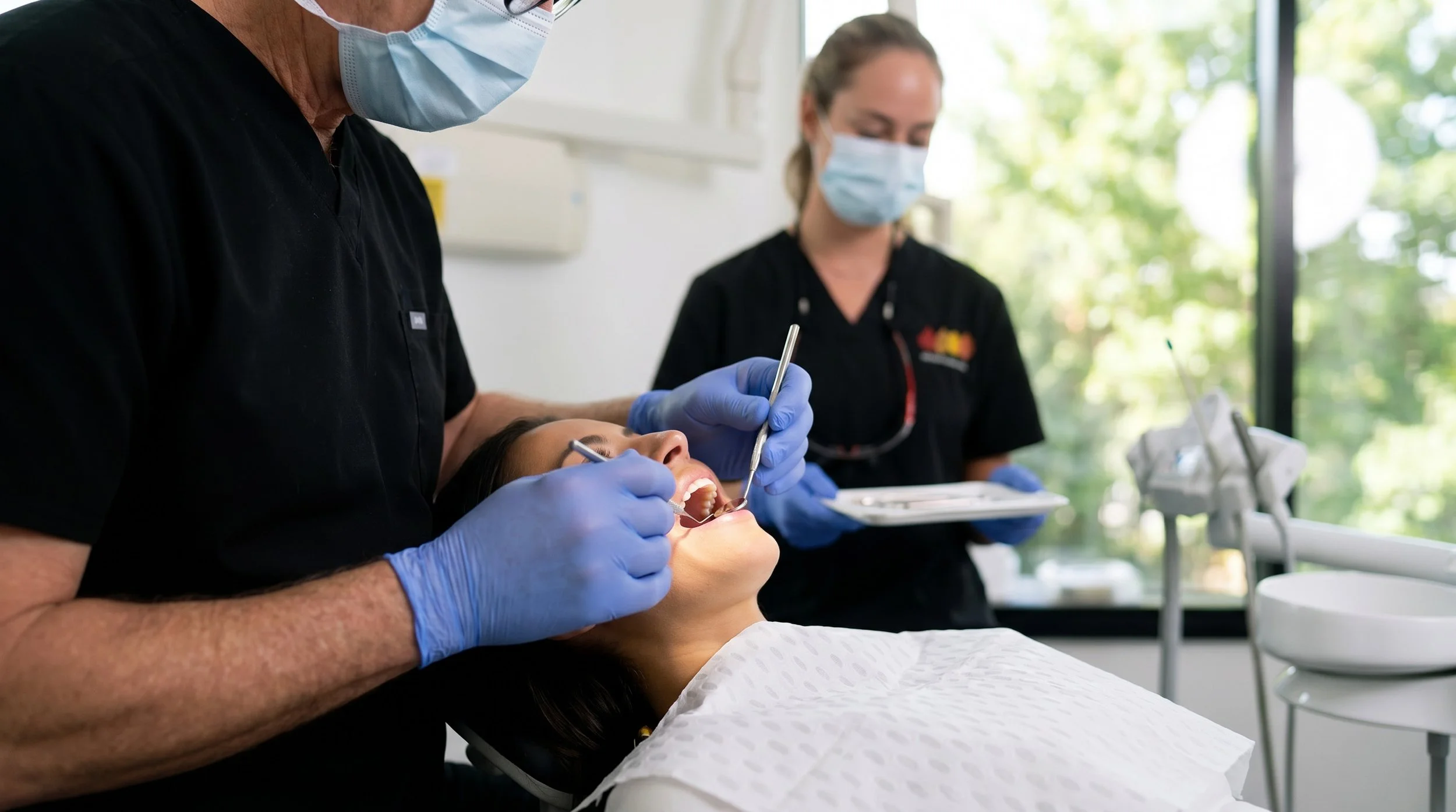
I want to understand what you want to change, examine the bite properly, check gum health, and talk through the most sensible path.
Sometimes that path is Invisalign.
Sometimes it is Angel Aligner.
Sometimes it is braces.
Sometimes we need to do hygiene or restorative work first.
Sometimes we refer if the case needs specialist orthodontic care.
That is not complicated. It is just careful dentistry.
Discuss Clear Aligners in Bondi Junction
If you are deciding between Angel Aligner and Invisalign in Bondi Junction, the next step is a proper assessment of your teeth, gums, bite and goals. I can explain which system may suit your case, whether clear aligners are appropriate, and whether another orthodontic option would be more sensible.
FAQs
Is Angel Aligner the same as Invisalign?
No. Angel Aligner and Invisalign are different clear aligner systems, but both use custom-made removable trays to move teeth gradually. The better choice depends on your teeth, bite, treatment goals and clinical assessment.
Which is better, Angel Aligner or Invisalign?
There is no single best option for every patient. Invisalign may suit some cases better, Angel Aligner may suit others, and braces may be better for more complex movement. The decision should be made after a proper assessment.
Are clear aligners suitable for everyone?
No. Healthdirect notes that clear aligner suitability may depend on how much correction is needed to straighten your teeth. Some cases are better treated with braces or specialist orthodontic care.
How often do I need to wear clear aligners?
Clear aligners need to be worn very consistently. Healthdirect says aligners are worn all the time except when eating and drinking. If aligners are left out too often, treatment may not track as planned.
Can I eat with Angel Aligner or Invisalign in?
No. Aligners are generally removed for meals. You should brush and floss before putting them back in so food and sugar are not trapped against the teeth.
Do clear aligners hurt?
Most patients describe the feeling as pressure or tightness, especially when changing to a new aligner. This usually settles as the teeth adapt. If discomfort does not settle, it should be checked.
Will I need attachments with clear aligners?
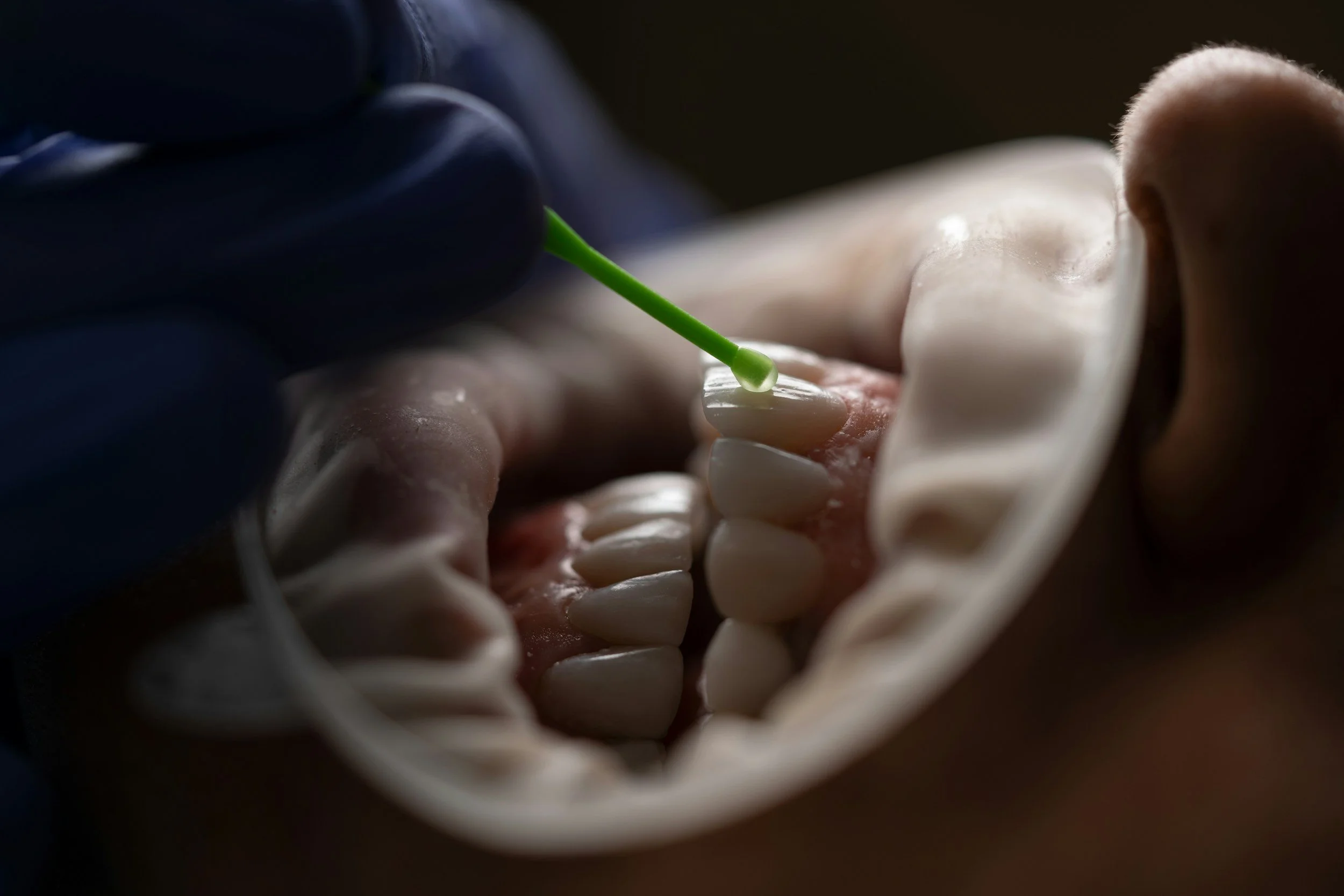
Possibly. Attachments are small tooth-coloured shapes placed on teeth to help aligners grip and move teeth more effectively. Whether you need them depends on the movements being planned.
Do I need retainers after clear aligners?
Yes. Retainers help keep teeth in position after treatment. Healthdirect notes that teeth can move again if retainers are not worn as advised.
Other helpful articles