Dental Veneers in Bondi Junction - Porcelain and Composite Options Explained
Veneers are one of the cosmetic treatments people are most curious about, and also one of the most misunderstood. The picture many patients have in their mind comes from television makeovers, where a whole set of very white, very uniform teeth appears overnight.
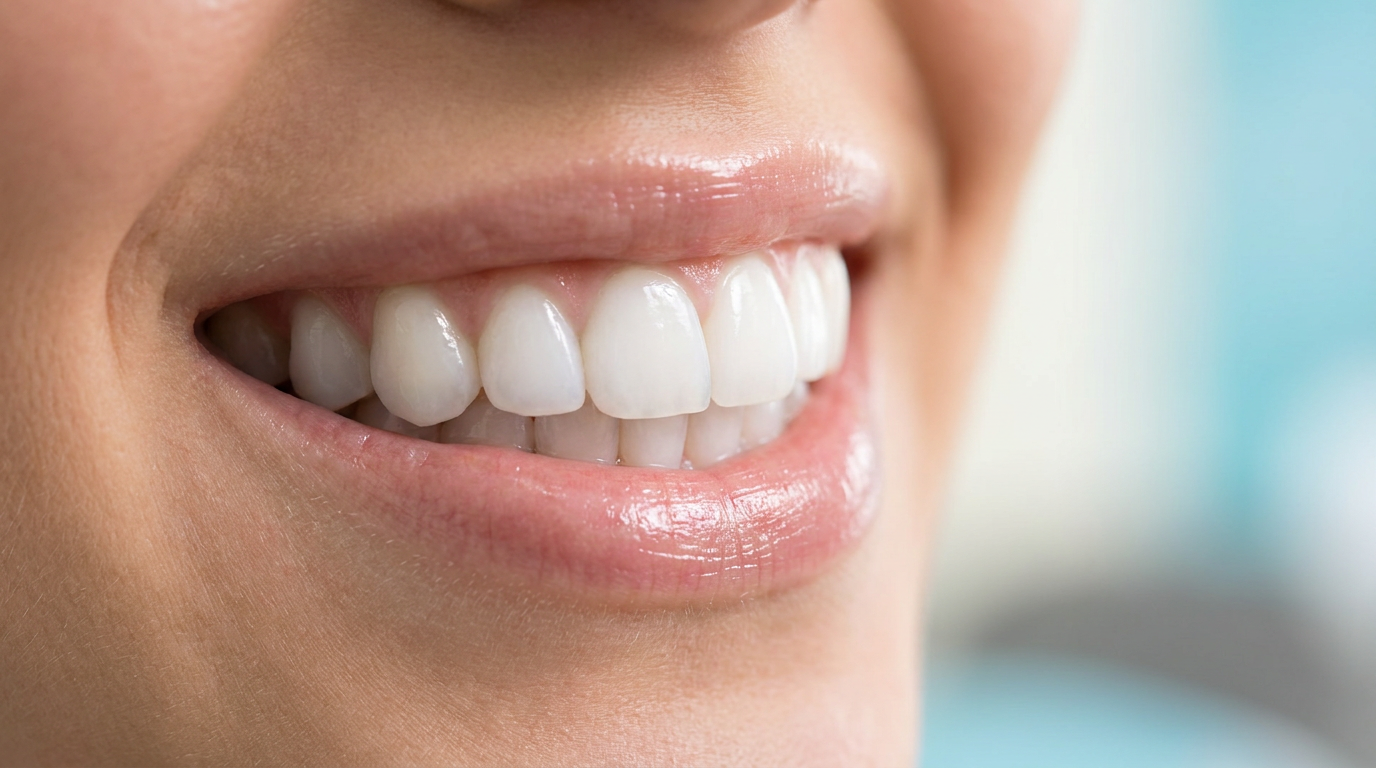
Real veneer dentistry is more considered than that. Done well, veneers can improve the shape, colour and position of teeth in a way that still looks natural. Done without care, they can look obvious and may involve removing more tooth than necessary.
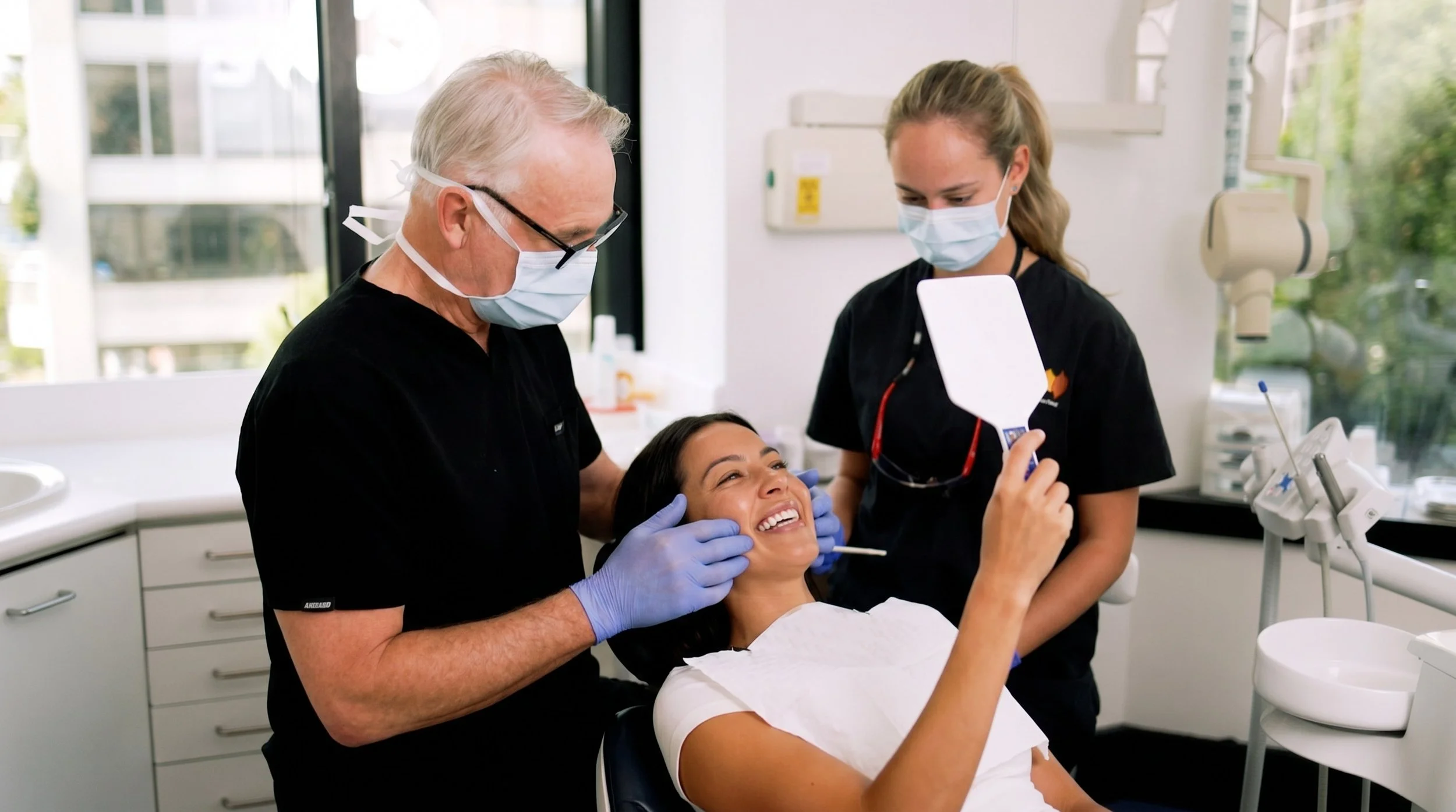
At Dentist In The Park in Bondi Junction, my starting point with any cosmetic request is your own teeth and what would suit your face. This article explains what veneers are, the difference between porcelain and composite, who they suit, and what the process involves, so you can weigh them up properly.
Short answer: what is a dental veneer?
A dental veneer is a thin layer placed over the front of a tooth to improve its appearance. Veneers can change the colour, shape, size or alignment of teeth and are used for issues such as discolouration, chips, small gaps or slightly uneven teeth. The two main types are porcelain veneers, which are custom made and bonded to the tooth, and composite veneers, which are built up directly using tooth-coloured resin. The right choice depends on your goals, the state of your teeth and how much change you want.
What veneers can and cannot do
Veneers are a cosmetic treatment, so they are about appearance rather than repairing a tooth that is structurally compromised. Healthdirect describes veneers as thin coverings placed over the front part of a tooth to improve its look, used for stained, chipped, crooked or gapped teeth.
They can be a good option for:
Teeth that are discoloured and do not respond well to whitening
Small chips or worn edges
Minor gaps between teeth
Teeth that are slightly crooked or uneven in shape
They are usually not the right answer when there is significant decay or a weak tooth that needs a crown, when teeth are quite crowded and would be better aligned with orthodontics first, or when grinding is wearing the teeth and needs addressing. In those cases I would talk through other options, including orthodontics or restorative treatment, rather than mask the issue with veneers.
Porcelain versus composite veneers
Both materials can give a lovely result. They simply suit different situations, and the trade-offs are worth understanding.
Porcelain veneers
Porcelain veneers are thin shells custom made in a laboratory and then bonded to the teeth. They tend to look very natural because porcelain handles light in a similar way to enamel, and they are stain resistant and durable. The process usually takes more than one visit, and a small amount of enamel is often prepared from the tooth to make room for the veneer, which means the change is not reversible.
Composite veneers
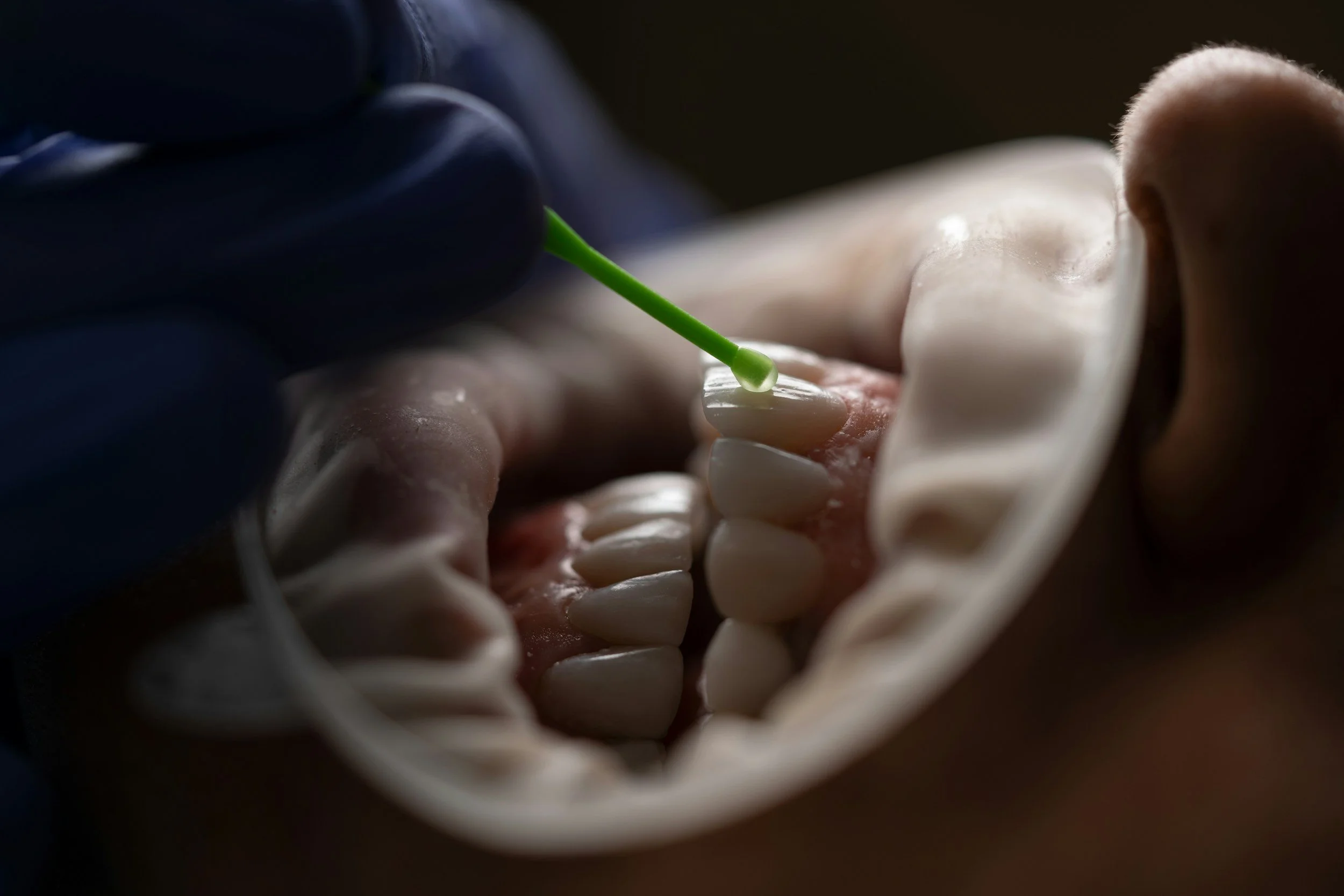
Composite veneers are built up directly on the tooth using a tooth-coloured resin, often in a single visit. They usually involve little or no removal of tooth structure, can be repaired or adjusted more easily, and generally cost less. The trade-offs are that composite is not quite as hard-wearing or as stain resistant as porcelain over time, so they may need more maintenance or replacement sooner.
Neither is simply better. Porcelain often suits people wanting maximum durability and a long-term result, while composite can suit smaller changes or those who prefer a more conservative, reversible option to start with.
How many veneers do you need?
This is a common question, and the answer is about balance rather than a fixed number. Sometimes a single veneer can address one chipped or discoloured tooth, with the shade matched to the teeth around it. In other cases, several teeth across the smile line are treated together so the result looks even.
There is no rule that you must do a set number. What matters is that the finished result is balanced and looks like it belongs to you.
What the process involves
The exact steps depend on whether you choose porcelain or composite, but a considered process generally includes:
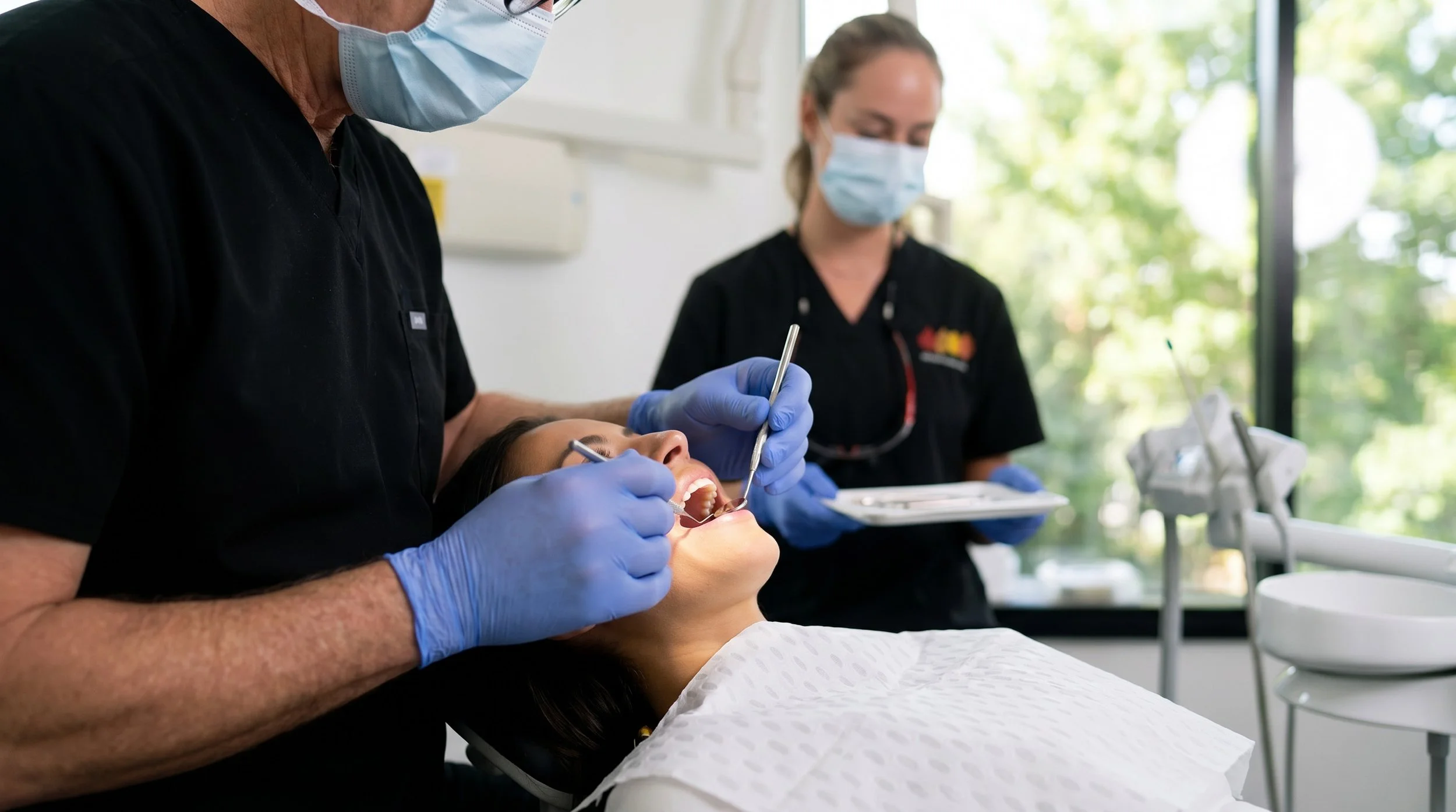
A cosmetic consultation to discuss what you would like to change and assess whether veneers suit your teeth
A check of the health of the teeth and gums first, because veneers should only be placed on a healthy foundation
A discussion of options, including whether whitening or alignment should come first
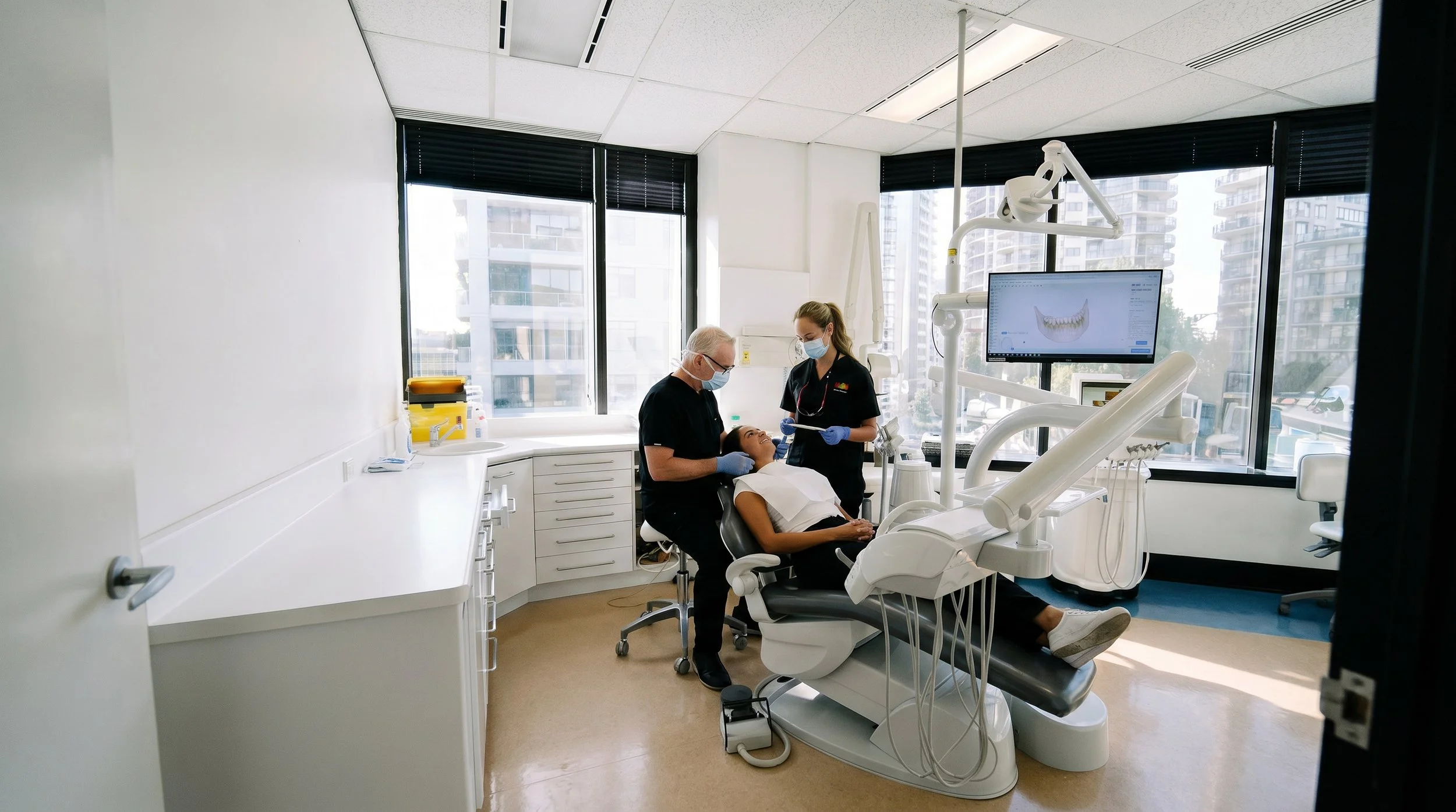
Planning the shape and shade, sometimes with a preview or mock-up
Preparing and placing the veneers, in one visit for composite or usually two for porcelain
A review to check the bite, comfort and appearance
A good cosmetic result starts with healthy teeth and gums, so any decay or gum issues are dealt with before cosmetic work begins. You can read more about our wider approach on the cosmetic dentistry page, and if you are mainly concerned about colour, our article on teeth whitening may be a better first step.
Looking after veneers
Veneers are not maintenance free, and the natural tooth underneath still needs care. To help them last:
Brush twice a day and clean between your teeth daily, as the ADA recommends for all teeth
Avoid using your teeth as tools or biting very hard objects, which can chip veneers or natural enamel
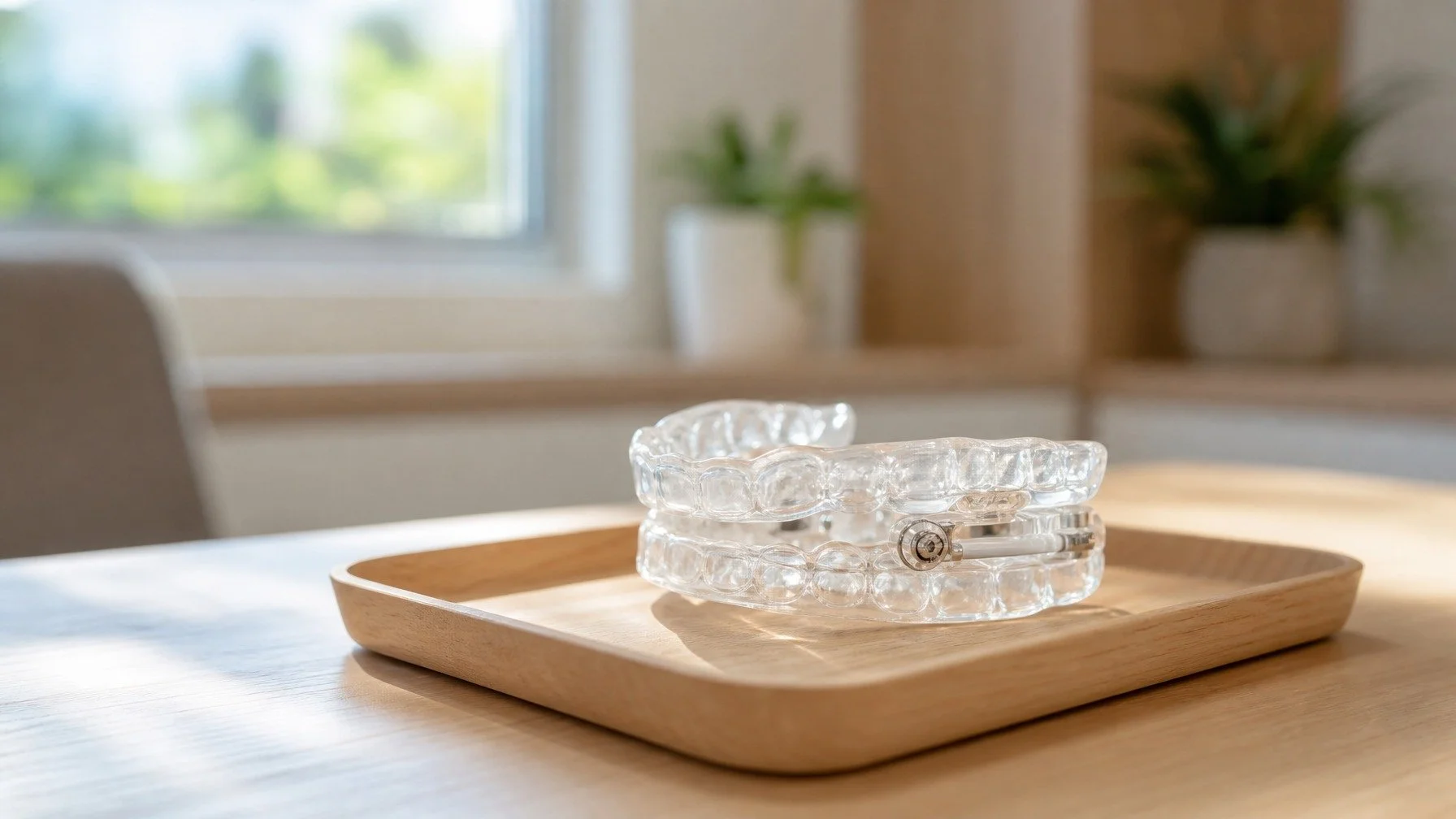
If you grind your teeth, mention it, because a night splint may help protect both veneers and natural teeth
Keep up regular check-ups and hygiene visits so the veneers, gums and bite can be monitored
Be mindful that composite can pick up staining over time, so reducing heavy staining habits helps
With sensible care, veneers can look good for many years, though like any dental work they do not last forever and may eventually need maintenance or replacement.
My approach to veneers
When someone asks me for veneers, I try to slow the conversation down a little. Not to talk anyone out of treatment, but to make sure we are solving the right problem in the right order.
I prefer to start with two questions. What is it you would like to change, and is there a more conservative way to achieve it. Sometimes whitening alone, or a small amount of alignment, gives a result that means fewer or no veneers are needed. When veneers genuinely are the best option, I want the preparation to be as conservative as the case allows, and the result to look natural rather than obvious.
As I often say to patients, your smile should look like you, only better, never overdone. Veneers are a tool to help with that, not a shortcut to a one-size-fits-all smile.
Request a Veneer Assessment in Bondi Junction
If you are considering veneers, the best next step is a cosmetic assessment so we can look at your teeth, talk through what you would like to change, and explain whether porcelain, composite, or a more conservative option suits you best. I will give you straightforward advice with no pressure.
FAQs
Do veneers ruin your teeth?
Veneers do not ruin teeth when planned and placed carefully, but porcelain veneers usually involve removing a small amount of enamel, which is not reversible. This is why a conservative approach and a proper assessment matter, and why composite is sometimes preferred for smaller changes.
How long do veneers last?
Porcelain veneers are durable and can last many years, while composite veneers generally need more maintenance and may be replaced sooner. Longevity depends on the material, your bite, and how well you care for them.
Are porcelain or composite veneers better?
Neither is simply better. Porcelain is more durable and stain resistant and often suits long-term results, while composite is more conservative, repairable and usually less costly. The right choice depends on your teeth and goals.
Do veneers stain?
Porcelain is highly stain resistant. Composite can pick up staining over time, so reducing heavy staining habits and keeping up regular cleans helps. Veneers do not respond to whitening, which is one reason colour is planned beforehand.
Should I whiten my teeth before getting veneers?
Often yes. Because veneers are colour matched and do not change shade with whitening, it can make sense to whiten first and then match the veneers to the lighter result. We plan the order during your assessment.
Are veneers painful?
Placing veneers is generally comfortable, and any preparation is done with the tooth numbed if needed. Some short-term sensitivity can occur afterwards and usually settles.
Can I get just one veneer?
Yes. A single veneer can be used to address one chipped or discoloured tooth, with the shade matched to the neighbouring teeth. Whether one or several is right depends on getting a balanced overall result.
Which areas does Dentist In The Park service?
We care for patients across Bondi Junction and the Eastern Suburbs of Sydney, including Bondi, Bondi Beach, Waverley, Woollahra, Double Bay, Rose Bay and Vaucluse.
Other helpful articles