Orthodontics and Braces in Bondi Junction - Options for Adults and Teens
One of the most common questions I am asked is whether it is too late to straighten teeth. The honest answer is that, for most healthy adults and teens, it rarely is.
Orthodontics has changed a great deal over the years. Braces are no longer the only option, and treatment is no longer something only teenagers have. Plenty of the people I see about straighter teeth are adults who either never had treatment or whose teeth have shifted over time.
At Dentist In The Park in Bondi Junction, our orthodontics service looks at straightening the same way we look at every treatment. The goal is not simply straighter teeth for their own sake. It is a bite that works well, teeth that are easier to keep clean, and a result that suits your face and your priorities. This article explains the main options, what an assessment involves, and how the choice is made.
Short answer: what does orthodontics involve?
Orthodontics is the area of dentistry that moves teeth into a better position to improve alignment and bite. The two broad options are fixed braces, which are bonded to the teeth, and removable clear aligners such as Invisalign or Angel Aligner. The right option depends on the type and degree of movement needed, your age, your daily routine, and what you want from treatment. It is decided after an examination, not from a photo.
Why straighten teeth at all?
Straightening teeth is often thought of as cosmetic, and an improved smile is a genuine benefit that many people value. But there are functional reasons too.
Crowded or crooked teeth can be harder to clean, which can make plaque build-up, decay and gum problems more likely. The Australian Dental Association notes that straighter teeth can be easier to keep clean, supporting better long-term oral health. A bite that does not meet evenly can also place uneven load on certain teeth over time.
So when someone asks me whether straightening is "worth it", I try to separate two questions. Is there a health or function reason to consider it, and is the cosmetic improvement something that matters to you. Often the answer to both is yes, but it is worth being clear about your own reasons.
The main orthodontic options
There is no single best appliance. There is the appliance that suits your case. The main categories are below.
Fixed braces
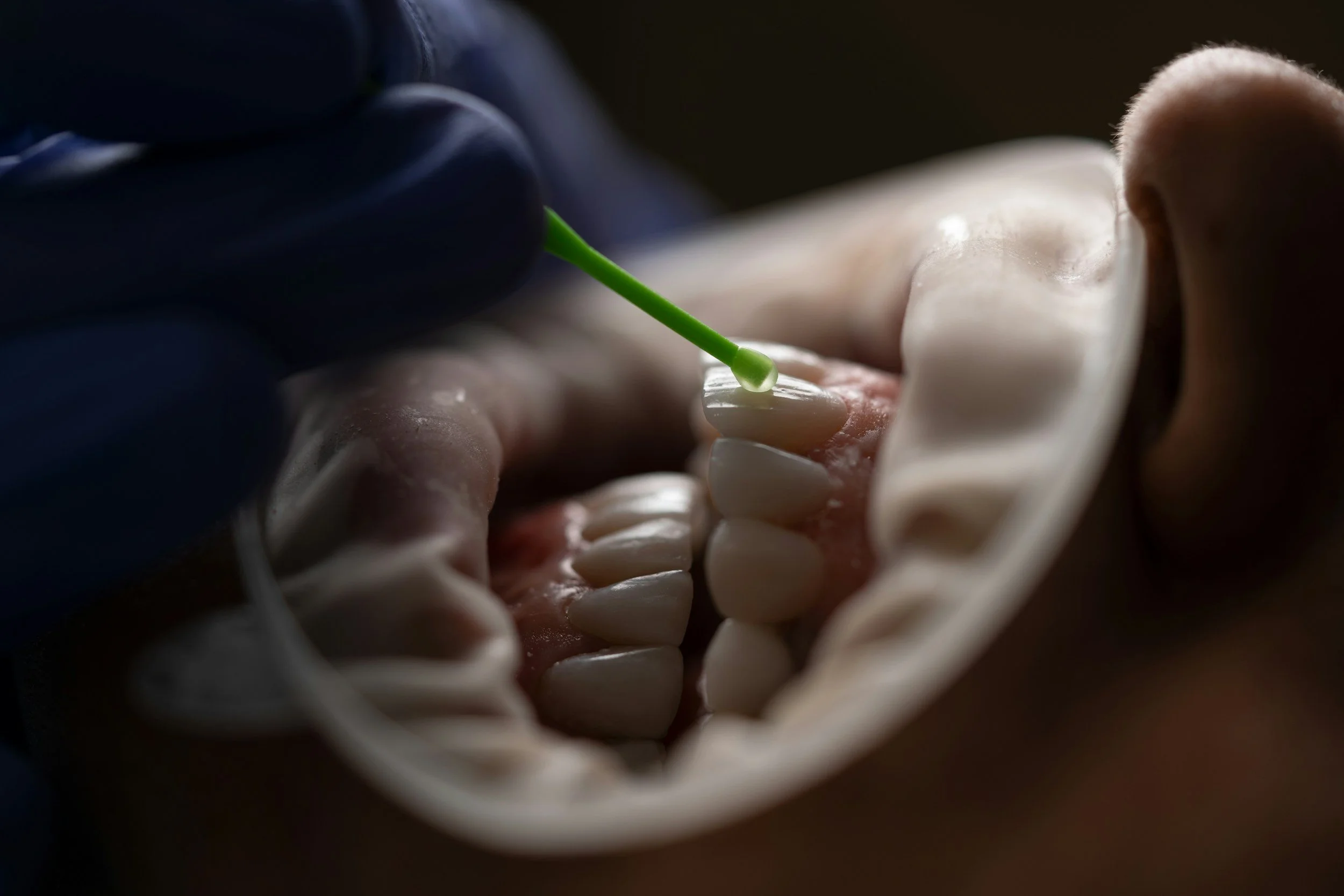
Braces use brackets bonded to the teeth and a wire that is adjusted over time to move the teeth. Modern braces are smaller and more comfortable than many people remember, and they remain very effective, particularly for more complex movements and bite corrections. Because they are fixed, they work continuously without relying on you to wear them.
Clear aligners
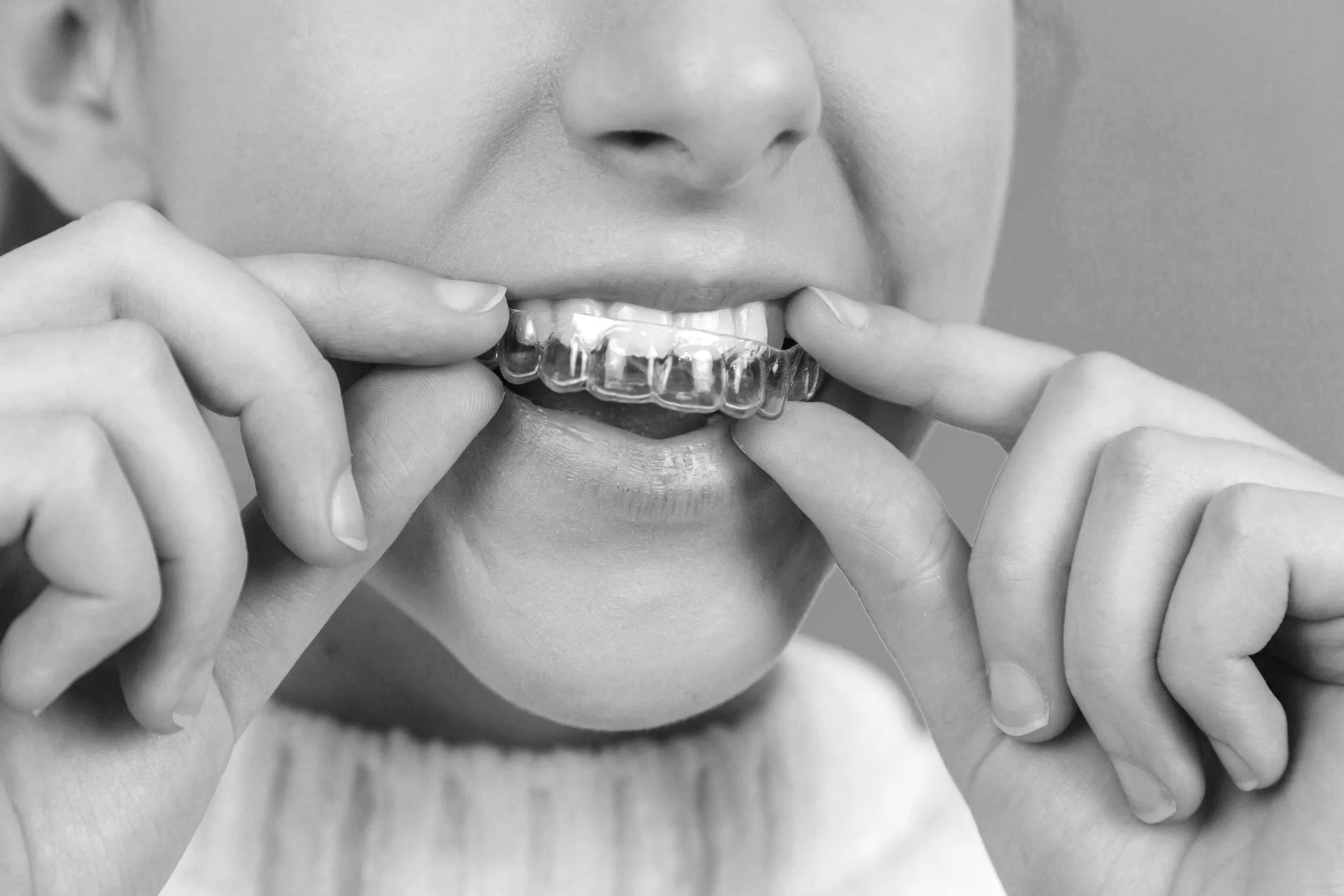
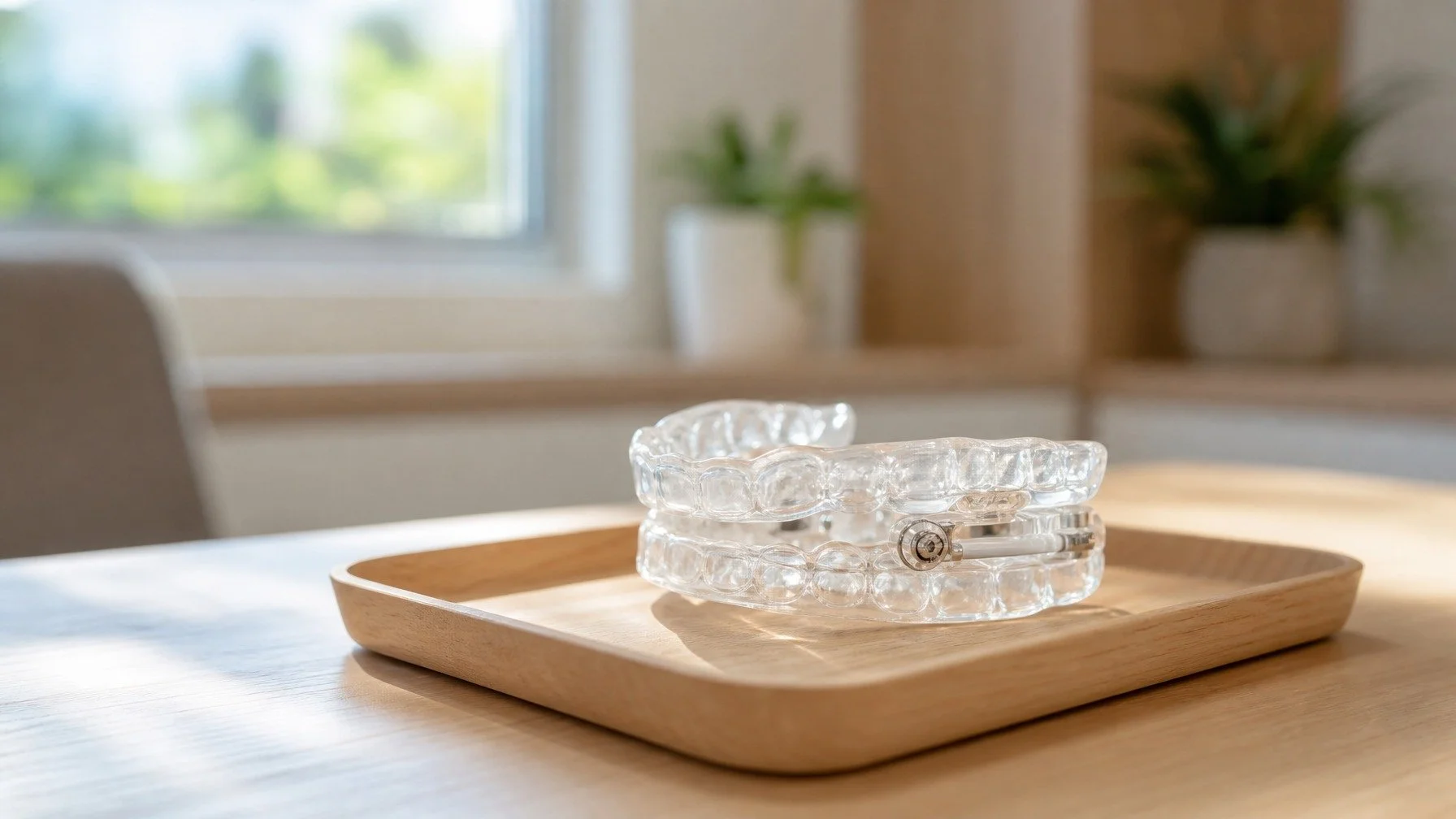
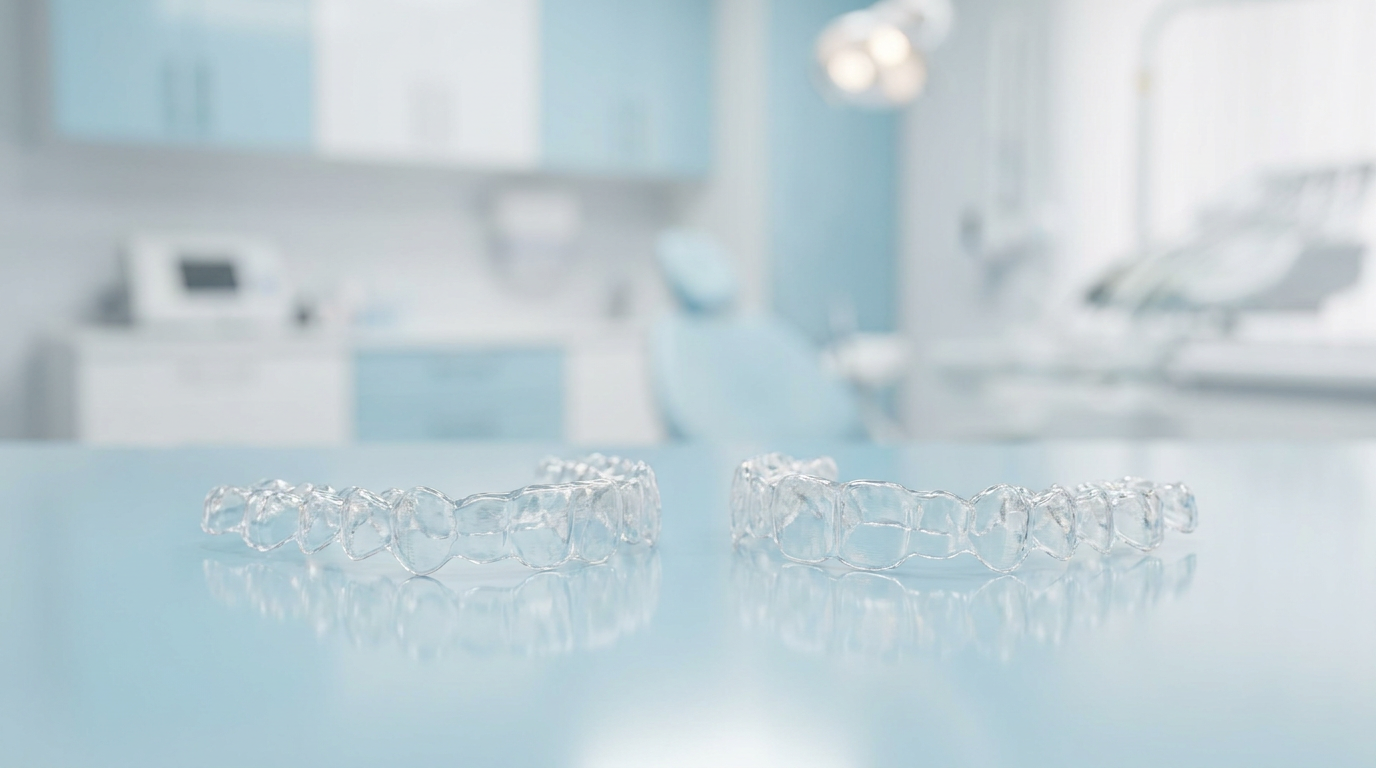
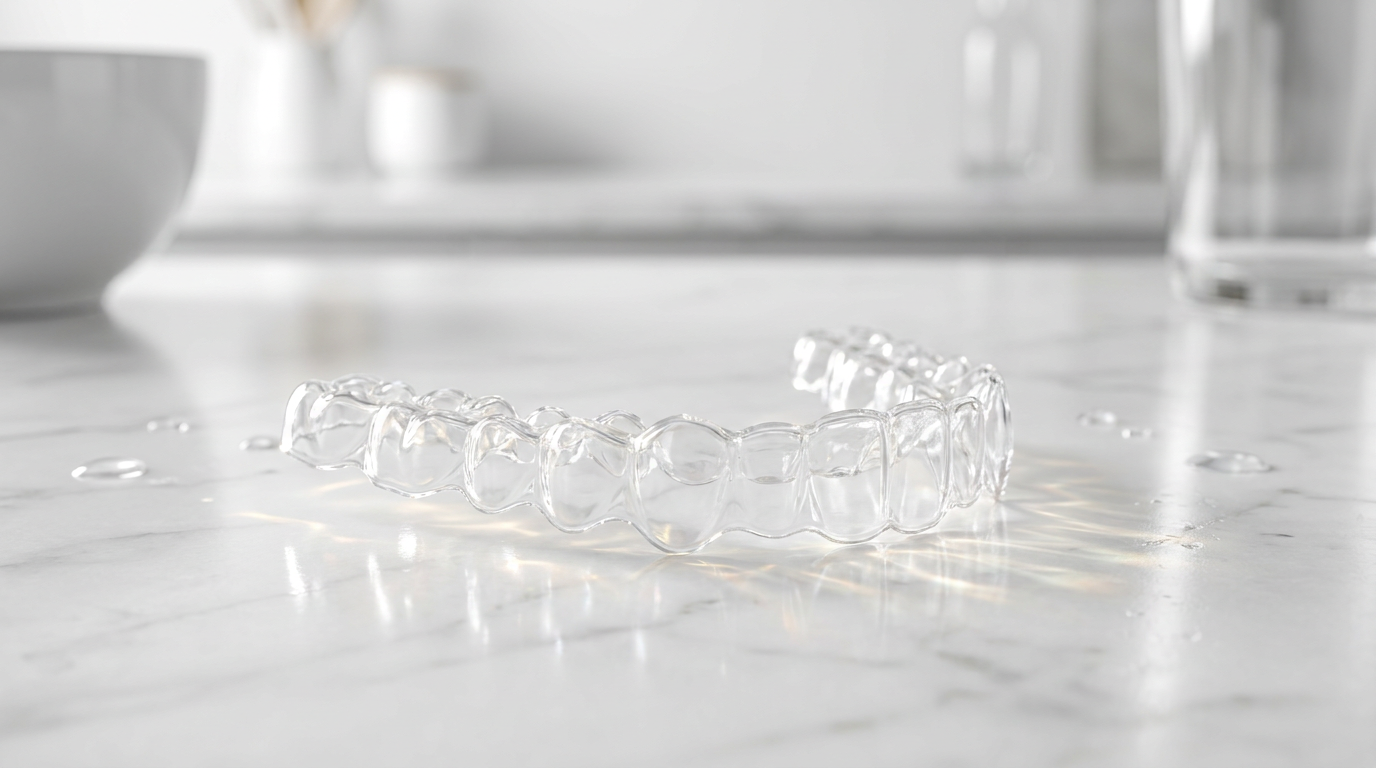
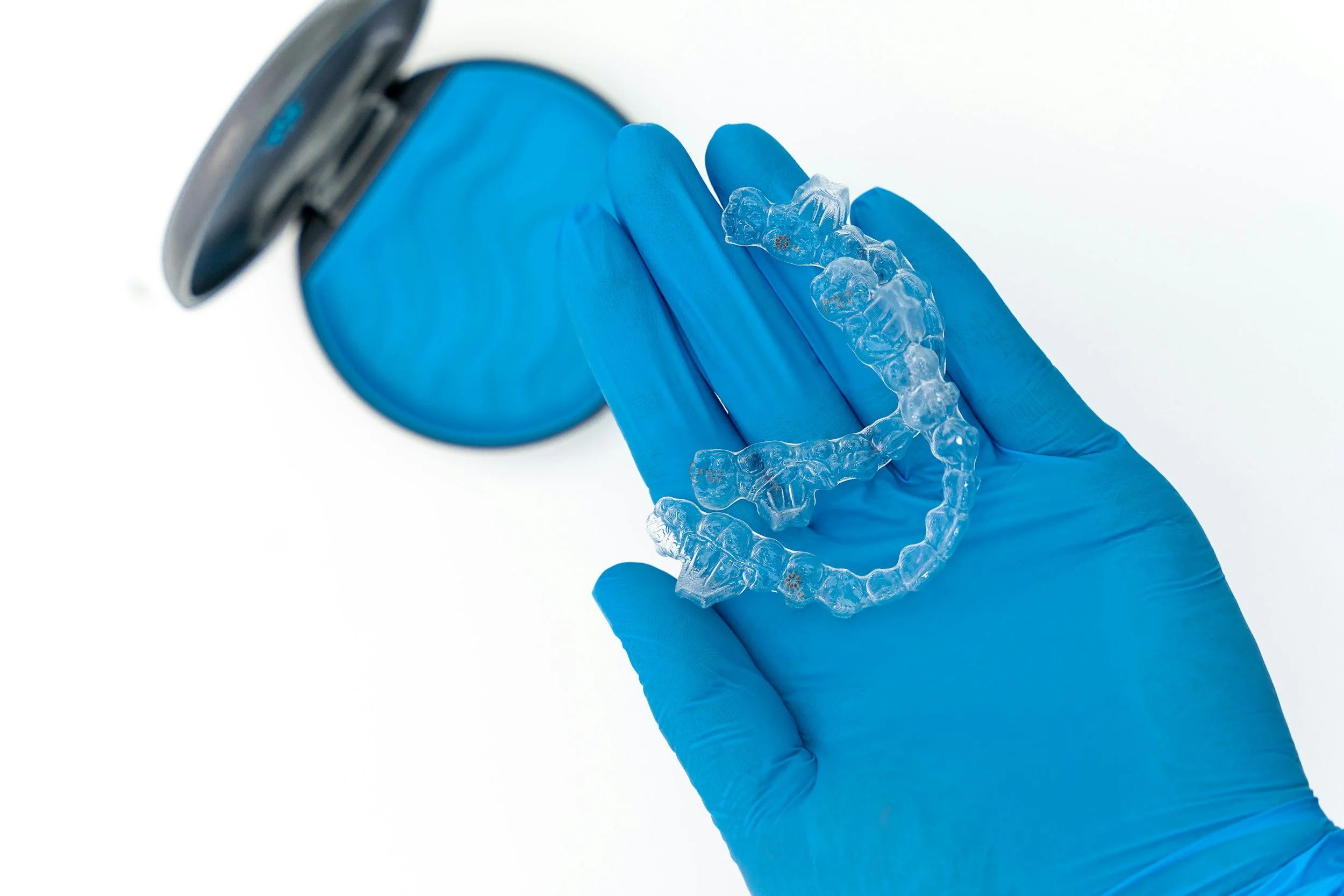
Clear aligners are a series of removable, near-invisible trays that gradually move the teeth. They are popular with adults because they are discreet and can be taken out to eat and clean your teeth. Healthdirect notes that clear aligners can treat many cases of crowding and spacing, though they are not suitable for every situation. They also rely on being worn for the recommended hours each day, usually around 20 to 22 hours, so they suit people who are happy to commit to that.
We offer clear aligners at the practice, and you can read more on our Angel Aligner and Invisalign page. If you would like a broader view of how aligners compare, our existing articles on Invisalign and on Angel Aligner versus Invisalign go into more detail.
When a specialist orthodontist is involved
Some cases are straightforward and can be managed within general practice. Others, particularly complex bite problems, jaw discrepancies, or treatment in growing children, are better referred to a specialist orthodontist. Part of a good assessment is being honest about which path suits your situation, and I am always happy to refer when that is the right thing to do.
Orthodontics for adults
Adult orthodontics is one of the fastest growing parts of treatment, and the search demand we see locally for "orthodontist for adults" reflects that.
There is no upper age limit for moving teeth, provided the teeth and gums are healthy. The main difference with adults is that the underlying bone has stopped growing, so some bite changes that are simple in a child may need more involved treatment in an adult. Gum health matters too. Teeth can only be moved safely through healthy gum and bone, so any gum disease is treated and stabilised first.
For many adults, clear aligners are an appealing option because they are discreet at work and in social settings. But braces remain a strong choice for more complex cases, and the discreet ceramic versions are less noticeable than traditional metal.
Orthodontics for teens and children
For younger patients, timing matters. The Australian Dental Association suggests an orthodontic assessment can be useful around the age of seven, not because treatment usually starts then, but because it lets us monitor how the teeth and jaws are developing and plan the best time to act if needed.
For most teenagers, treatment begins once enough of the adult teeth have come through. Both braces and aligners can work well in this age group. With teenagers, the choice often comes down to the complexity of the case and how reliably aligners will be worn.
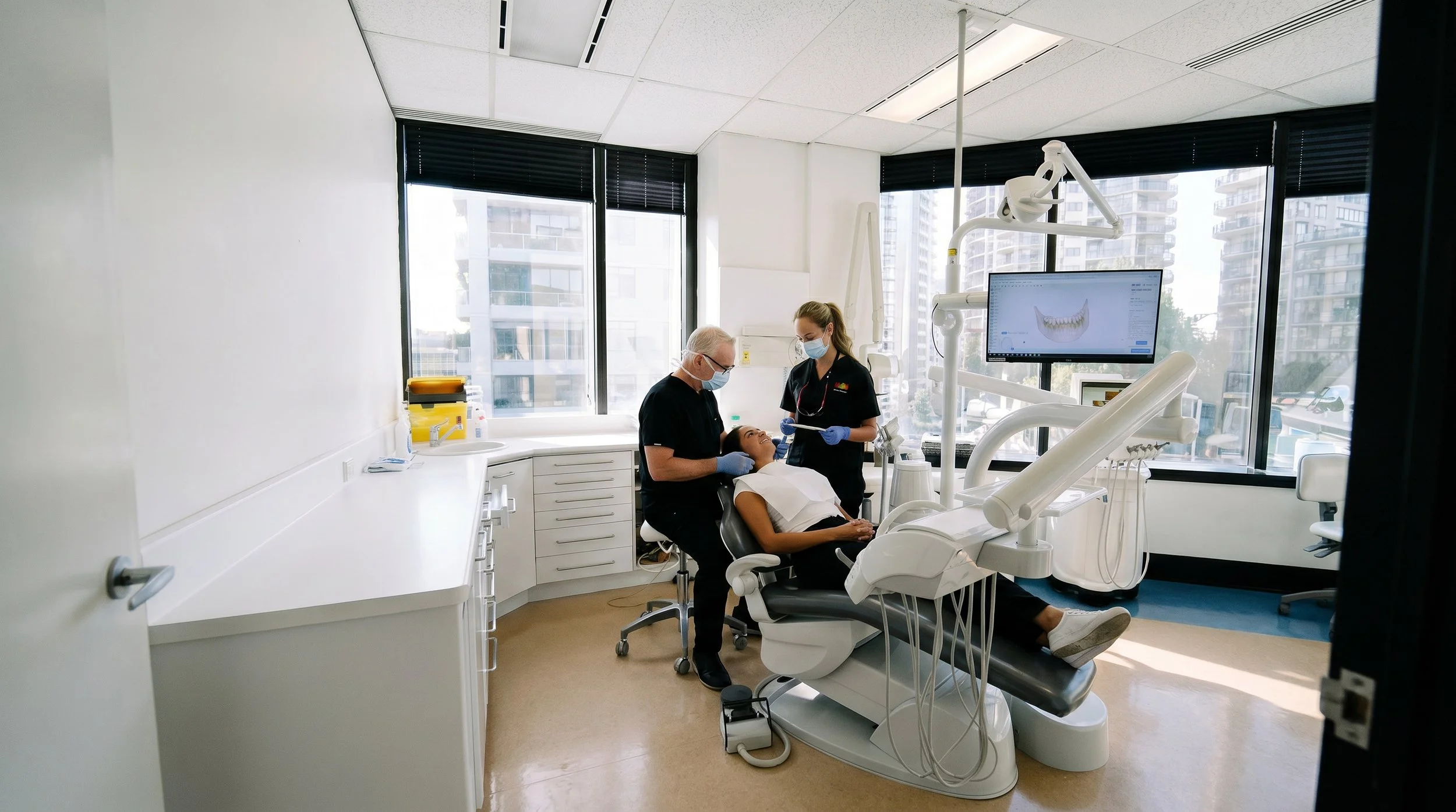
What an orthodontic assessment involves
A first orthodontic visit is about gathering information and giving you a clear picture of your options. It usually includes:
A discussion of what you would like to change and why
An examination of your teeth, bite and gums
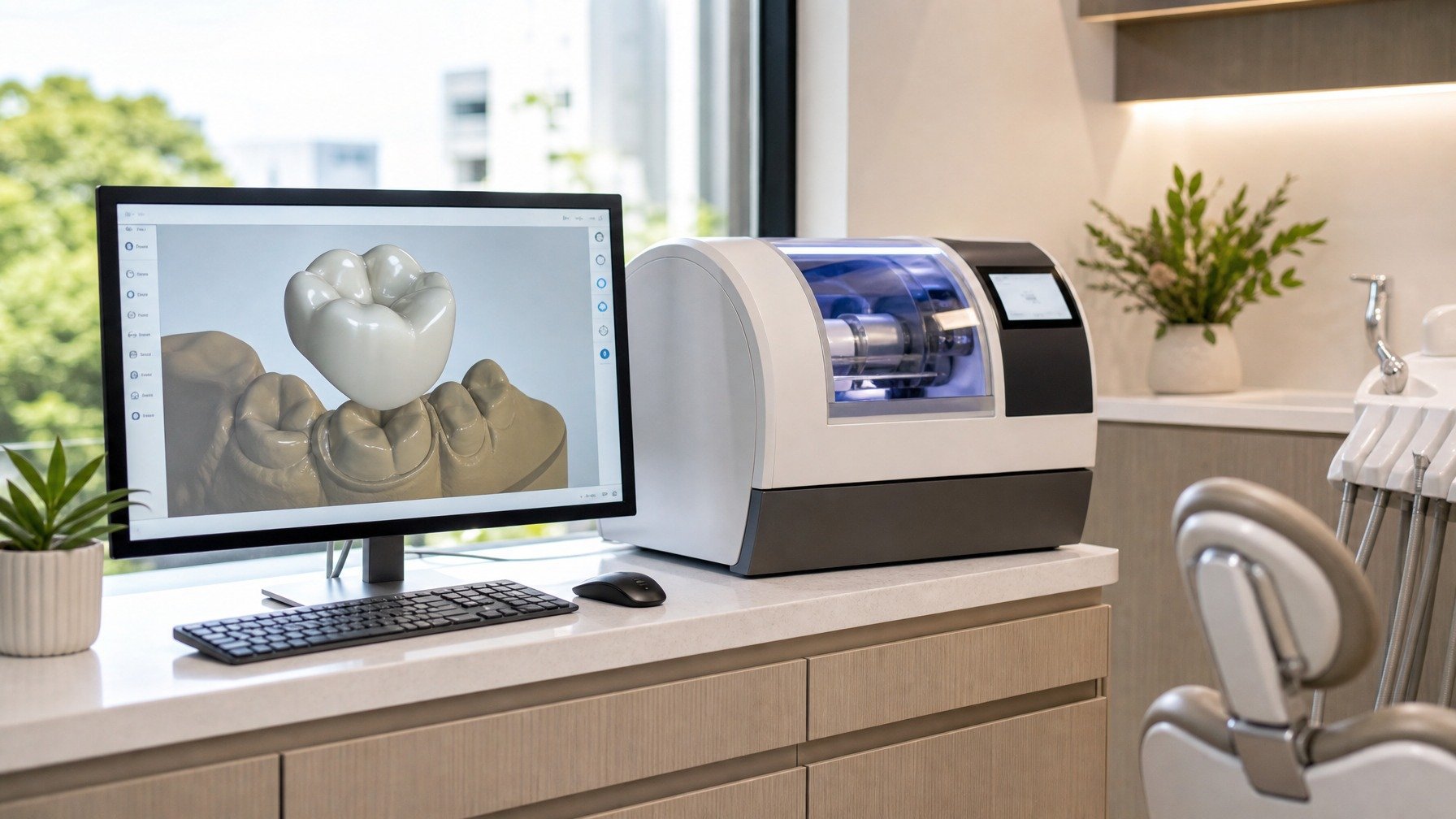
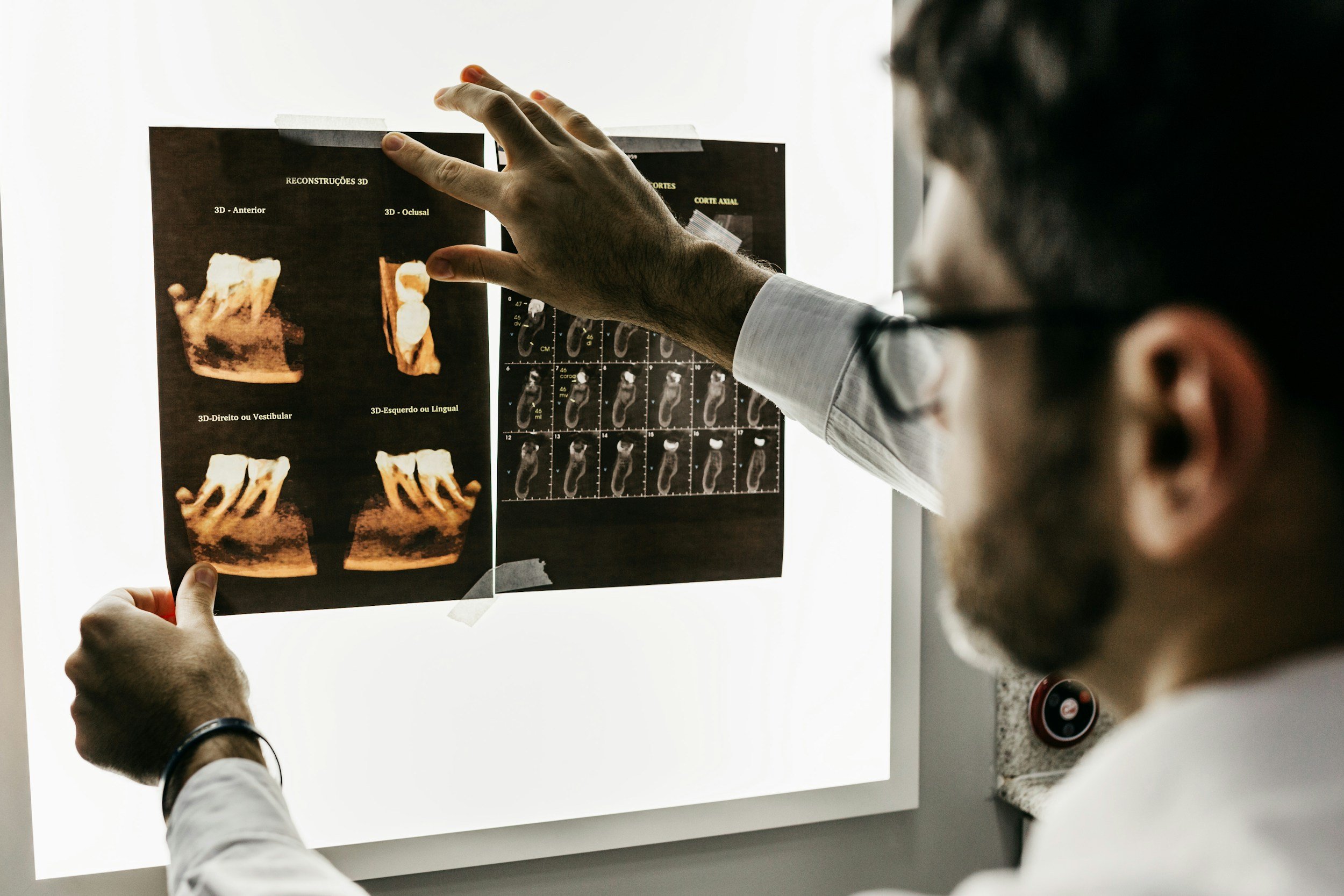
Photographs and, where needed, X-rays or a digital scan
An explanation of suitable options, with the pros and cons of each
A realistic outline of treatment time and what is involved
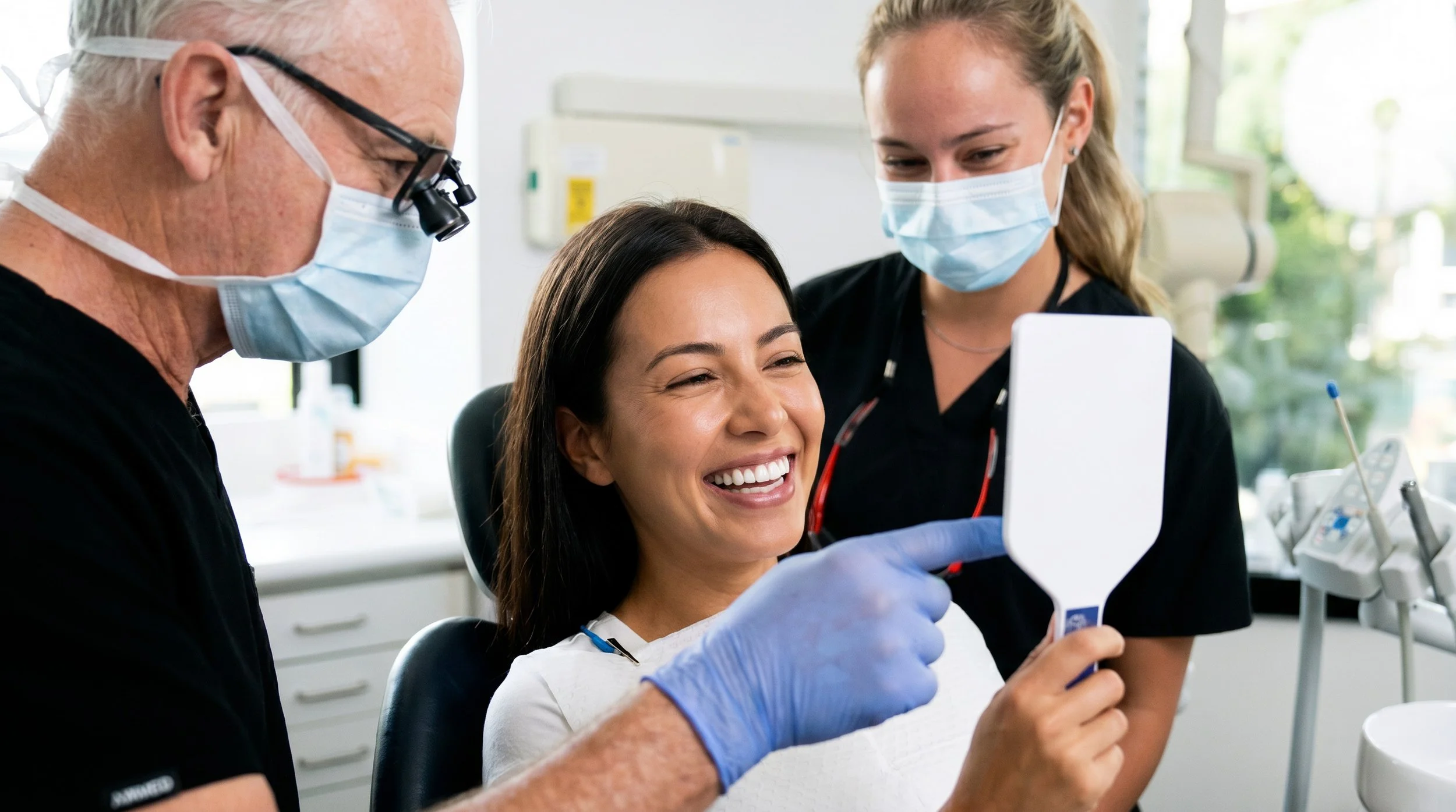
You should leave understanding what is achievable, what each option asks of you day to day, and what the alternatives are. No single appointment can promise a particular outcome, but it should give you the information to make a confident decision.
My approach to orthodontics
When someone comes in wanting straighter teeth, I try not to start with the appliance. I start with the goal.
What is bothering you, what would a good result look like, and is there a function or health reason as well as a cosmetic one. Only then does it make sense to talk about whether braces, aligners, or a referral to a specialist is the best route.
I would rather tell someone that a simple option will meet their goal than recommend more treatment than they need. And if a case is genuinely complex, I think the honest thing is to involve a specialist orthodontist rather than stretch a general approach to fit. Straightening teeth should leave you with a bite that works and a smile that still looks like you.
Request an Orthodontic Assessment in Bondi Junction
If you have been wondering whether braces or clear aligners could help, the best next step is an assessment so we can look at your teeth and bite and talk through realistic options. I can explain what each approach involves, whether a specialist referral makes sense, and what would suit your goals and routine.
FAQs
Am I too old for braces or aligners?
For most healthy adults there is no upper age limit on moving teeth, as long as the teeth and gums are healthy. Any gum disease is treated first, and the right appliance is chosen based on the movements needed.
Are clear aligners as good as braces?
For many cases of crowding and spacing, clear aligners work very well and are more discreet. Braces are often better for more complex movements and bite corrections. Suitability is decided after an examination, not from a photo.
How long does orthodontic treatment take?
It varies widely depending on the complexity of the case, from several months for minor corrections to a couple of years for more involved treatment. We give you a realistic estimate after assessing your teeth.
Do braces or aligners hurt?
Both can feel tight or tender for a few days after starting or after an adjustment, which usually settles. This is a sign the teeth are moving and is generally manageable with normal comfort measures.
Will I need teeth removed for orthodontics?
Not always. Some cases need space created, which can sometimes mean extractions, while many do not. Whether any teeth need to be removed is decided during the assessment based on crowding and your bite.
Can I straighten just my front teeth?
Sometimes minor front-tooth alignment can be addressed with a limited treatment, but it is important the bite still works as a whole. We will tell you honestly whether a limited option is suitable or whether a fuller approach is wiser.
Do I need a referral to a specialist orthodontist?
Not always. Many cases can be managed in general practice, while complex bites, jaw discrepancies and some growing children are better seen by a specialist. We will advise honestly which path suits your situation.
Which areas does Dentist In The Park service?
We care for patients across Bondi Junction and the Eastern Suburbs of Sydney, including Bondi, Bondi Beach, Waverley, Woollahra, Double Bay, Rose Bay and Vaucluse.
Other helpful articles