Replacing Missing Teeth in Bondi Junction - Dental Implants, Bridges and All-on-4
Losing a tooth, or living with a gap you have had for a while, raises a very practical question. What is the best way to replace it, and do you even need to.
It is a question I am asked often, and the honest answer is that there is no single best option for everyone. The right choice depends on how many teeth are missing, the health of the teeth and gums around the gap, the bone underneath, and your own priorities around cost, time and how involved you want treatment to be.
At Dentist In The Park in Bondi Junction, I think the most useful thing I can do is lay out the realistic options clearly so you can make an informed decision. This article compares the main ways to replace missing teeth, including implants, bridges, dentures and full-arch options such as All-on-4.
Short answer: what are the options for replacing missing teeth?
The main ways to replace missing teeth are dental implants, which are artificial roots placed in the jaw to support a crown, bridge or full set of teeth; bridges, which use the neighbouring teeth to support a replacement; and dentures, which are removable. For people missing most or all of their teeth in an arch, full-arch implant solutions such as All-on-4 use a small number of implants to support a fixed set of teeth. The right option is decided after examining your mouth and, usually, taking X-rays or a scan.
Why replacing a missing tooth matters
It can be tempting to leave a gap, especially if it is towards the back and not visible. Sometimes that is a reasonable choice, but it is worth understanding the consequences before deciding.
When a tooth is lost, the teeth around the gap can drift or tilt, and the opposing tooth can over-erupt into the space. This can affect your bite and make cleaning harder. The jawbone that used to support the tooth can also gradually shrink over time. Healthdirect notes that missing teeth can affect chewing, speech and the alignment of other teeth.
None of this means every gap must be filled immediately. It does mean the decision is worth making deliberately, with the long-term picture in mind, rather than by default.
Dental implants
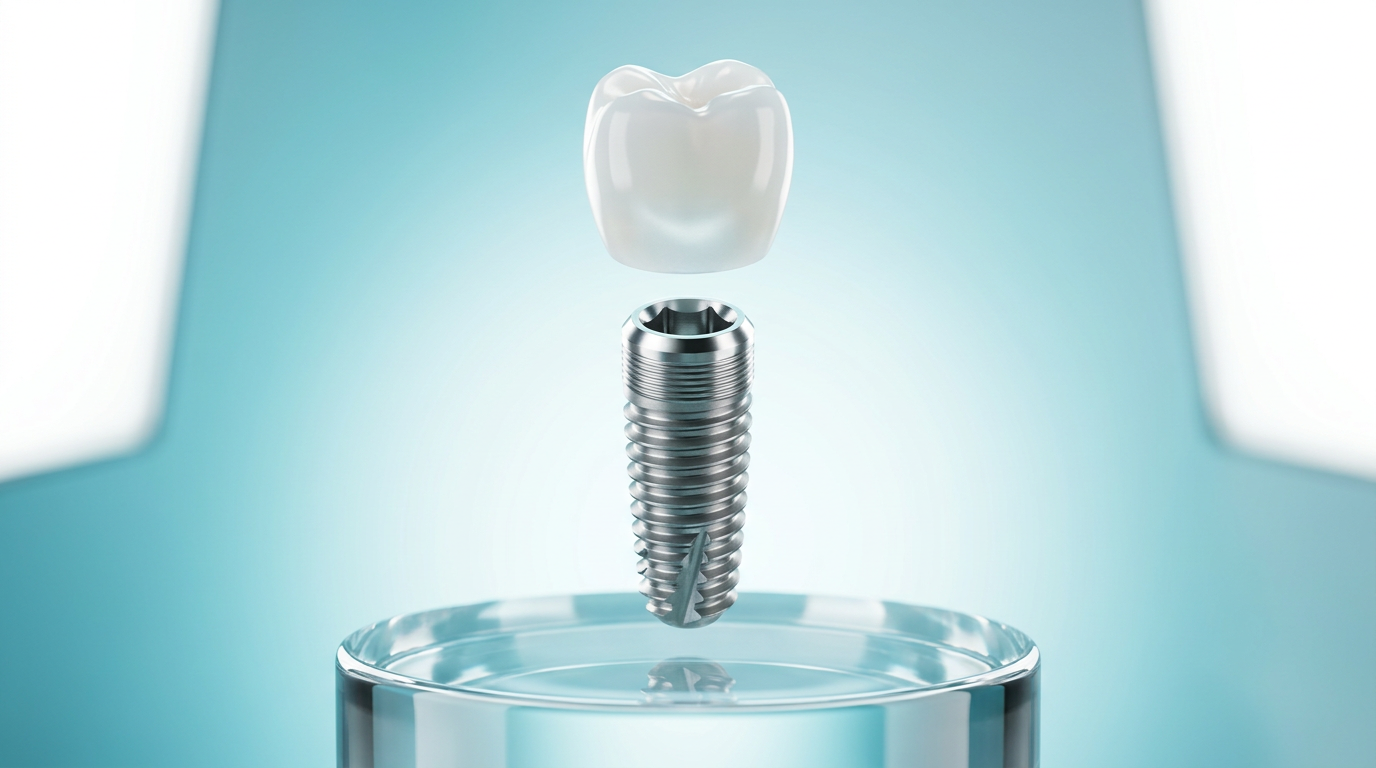
A dental implant is a small titanium post placed into the jawbone to act as an artificial tooth root. Once it has integrated with the bone, it can support a crown to replace a single tooth, a bridge to replace several, or a full set of teeth.
Implants are often considered a strong long-term option because they replace the root as well as the visible tooth, they do not rely on cutting down neighbouring teeth, and they help maintain the bone. They do require healthy gums and enough bone, a minor surgical procedure, and a healing period, and not everyone is a candidate. You can read more on our dental implants and All-on-4 page, and our existing implant articles go into the process in more detail.
Bridges
A bridge replaces one or more missing teeth by anchoring a replacement tooth to the teeth on either side of the gap, or in some cases to an implant. A traditional bridge usually involves preparing the neighbouring teeth so they can support the bridge.
Bridges can be a good option when the teeth either side of the gap would benefit from crowns anyway, or when an implant is not suitable. The main trade-off is that healthy neighbouring teeth may need to be prepared, and the bone under the gap is not preserved the way it is with an implant. They are often quicker than implants because there is no healing period for integration.
Dentures
Dentures are removable replacements for missing teeth, ranging from a partial denture that replaces a few teeth to a full denture that replaces a whole arch. Modern dentures are more comfortable and natural looking than they used to be.
Dentures are often the most affordable option and can be made relatively quickly, which makes them a practical choice in many situations. The trade-offs are that they are removable, can take time to get used to, and may feel less stable than fixed options, particularly lower full dentures. For some people, a denture stabilised by a couple of implants is a comfortable middle ground.
Full-arch options such as All-on-4
For people who have lost most or all of their teeth in an arch, or who are facing that prospect, full-arch implant solutions are worth understanding. The best known is the All-on-4 approach, which uses a small number of implants, often four, to support a fixed full set of teeth in that arch.
The appeal is a set of fixed teeth that do not come out, supported by implants rather than resting on the gum like a conventional denture. It is a more involved treatment and not suitable for everyone, depending on bone, gum health and general health. It is also a bigger commitment than a single replacement, so a careful assessment and a frank discussion of what is involved is essential before going down this path.
How the right option is chosen
Because the options overlap, the decision comes down to a handful of practical factors:
How many teeth are missing, and where
The health of the neighbouring teeth and gums
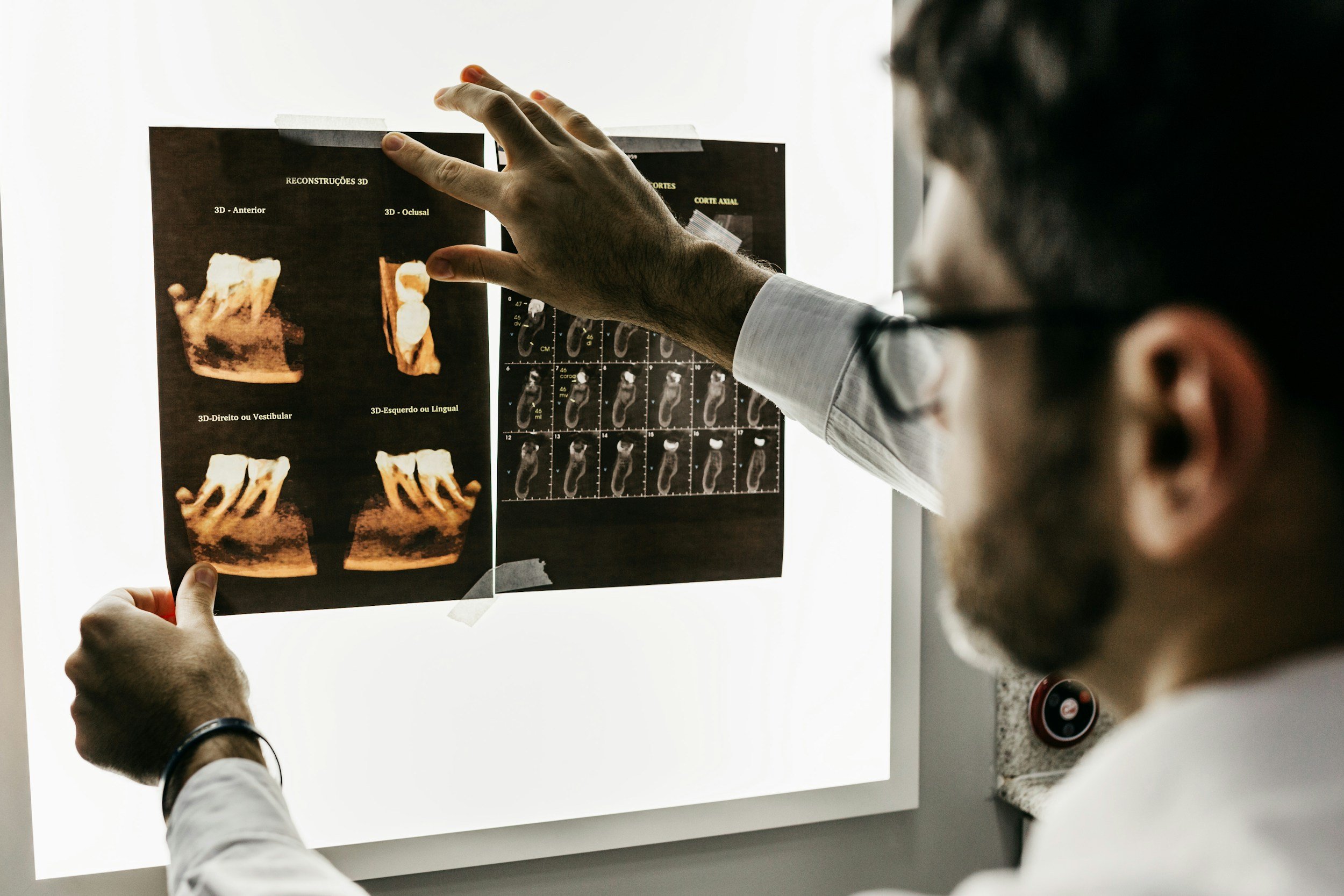
How much bone is present, often assessed with an X-ray or scan
Your general health and any medical conditions
Your priorities around cost, treatment time and whether you want fixed or removable teeth
There is rarely only one acceptable answer. Often two or three options could work, each with different trade-offs, and the right one is the one that fits your mouth and your priorities once you understand them. General and family dental health matters here too, so addressing any decay or gum disease is part of the plan, as covered on our general and family dentistry page.
My approach to replacing missing teeth
When someone comes in about a missing tooth, I try to give them the full picture rather than steer them towards one treatment.
I want to explain what happens if a gap is left, what each replacement option involves, and the honest trade-offs of cost, time and durability. Implants are an excellent option for many people, but they are not the only good option, and they are not right for everyone. A well-made bridge or denture can be exactly the right answer in the right situation.
My job is to make sure you understand the choices and choose with confidence, not to apply pressure. Straightforward advice and a plan that fits your priorities is the whole point.
Request a Tooth Replacement Assessment in Bondi Junction
If you have a missing tooth, an old gap, or a failing tooth you know will need replacing, an assessment is the best next step. I can examine the area, arrange any X-rays or scans needed, and talk you through which of the realistic options, from implants to bridges to dentures, would suit you best.
FAQs
What is the best way to replace a missing tooth?
There is no single best option for everyone. Dental implants, bridges and dentures each suit different situations, depending on how many teeth are missing, the health of the surrounding teeth and gums, the bone present, and your priorities. The right choice is decided after an assessment.
Do I have to replace a missing tooth?
Not always, but leaving a gap can let nearby teeth drift, affect your bite and lead to bone loss over time. Whether to replace a tooth is a decision worth making deliberately, with the long-term picture in mind.
Are dental implants better than a bridge?
Implants replace the tooth root and do not rely on cutting down neighbouring teeth, which is often an advantage. But a bridge can be the better choice in some situations, for example when the neighbouring teeth would benefit from crowns or when an implant is not suitable.
What is All-on-4?
All-on-4 is a full-arch treatment that uses a small number of implants, often four, to support a fixed full set of teeth in an arch. It suits people who have lost most or all of their teeth in that arch and is decided after a careful assessment.
Am I suitable for dental implants?
Implants need healthy gums and enough bone, and your general health is considered too. Many people are suitable, but not everyone. An examination with X-rays or a scan is needed to confirm whether implants are a realistic option for you.
How long does it take to replace a tooth?
It varies by option. A bridge or denture can often be completed in a few weeks, while implants involve a healing period for the implant to integrate with the bone, so the overall timeframe is longer. We give you a realistic timeline after assessing your situation.
Are dentures still a good option?
Yes, for many people. Modern dentures are more comfortable and natural looking than they used to be, are often the most affordable option, and can be made relatively quickly. They can also be stabilised with implants for added security.
Which areas does Dentist In The Park service?
We care for patients across Bondi Junction and the Eastern Suburbs of Sydney, including Bondi, Bondi Beach, Waverley, Woollahra, Double Bay, Rose Bay and Vaucluse.
Other helpful articles