Dental Anxiety in Bondi Junction - Gentle, Calm Care for Nervous Patients
For a lot of people, the hardest part of looking after their teeth is not the treatment itself. It is walking through the door. If the thought of a dental appointment makes your stomach tighten, you are far from alone, and there is nothing unusual or embarrassing about feeling that way.
Dental anxiety is something I see every week in Bondi Junction, in patients of all ages. Some have had an uncomfortable experience in the past. Others are not sure why they feel the way they do, only that they do. Either way, it is real, and it deserves to be taken seriously rather than brushed aside.
At Dentist In The Park, my view is simple. A nervous patient is not a problem to be managed, but a person to look after. This article explains what dental anxiety is, why it happens, and the practical ways we can make dental care feel calmer, so that fear stops standing between you and a healthy mouth.
Short answer: what helps with dental anxiety?
Dental anxiety is usually eased with a combination of open communication, a calm and unhurried approach, and practical techniques that put you back in control. That can include talking through what will happen before anything starts, agreeing a stop signal, taking breaks, using distraction such as music, and, where suitable, options like happy gas to help you relax. The first and most important step is simply telling your dentist that you feel anxious, so the whole visit can be paced around you.
How common is dental anxiety?
If you feel nervous about the dentist, it can seem like everyone else strolls in without a second thought. The reality is very different. Australian research summarised by the University of Adelaide's dental research unit suggests that roughly one in six adults lives with high dental fear, which makes it one of the more common anxieties in the country. It is reported more often by women, and is most common in adults aged between 40 and 64.
The reason this matters is what fear does to behaviour. The same research notes that almost one in three adults with high dental fear has not seen a dentist in 10 years or more. Avoiding the dentist is completely understandable, but it often means small problems are left until they grow into larger, more uncomfortable ones that need more involved treatment. Recognising anxiety, and working with it rather than against it, is part of breaking that cycle.
What causes fear of the dentist?
Dental anxiety does not have a single cause, and it is rarely irrational. The Better Health Channel describes it as fear, anxiety or stress linked to a dental setting, with common triggers including needles, drills, and the general sights and sounds of a clinic. In my experience the common threads are:
A difficult or painful experience in the past, often many years ago
A feeling of not being in control, or not knowing what is about to happen
Worry about pain, needles or gagging
Embarrassment about the condition of the teeth, or about having stayed away for a long time
Sensitivity to the sounds, smells or clinical feel of a surgery
Anxiety learned in childhood, or absorbed from an anxious family member
None of these are silly, and working out which ones apply to you is genuinely useful. When I understand what sits behind the worry, we can shape the visit to take the pressure off that specific trigger.
Practical ways we make dental visits calmer
Most dental anxiety can be eased without anything dramatic. A review in the Australian Dental Journal on managing fear and anxiety in the dental clinic found that non-pharmacological approaches, meaning behavioural and communication techniques rather than medication, help many anxious patients obtain the care they need. The everyday tools I rely on include:
Talking it through first. We can sit and discuss your concerns before you are in the chair, with nothing happening to your teeth.
A stop signal. Agreeing a simple raised-hand signal that means pause puts you in control, and is often reassuring on its own.
Explaining as we go, or not. Some people feel calmer knowing each step in advance, while others prefer not to hear the details. Either is fine.
Going slowly and taking breaks. There is no need to rush, and treatment can be broken into shorter visits.
Distraction. Music or headphones, along with simple breathing techniques, can make a real difference.
Numbing comfortably. Modern local anaesthetic techniques, including gentle delivery systems, can make injections far more comfortable than many people expect.
The aim is not to pretend the dentist is somewhere you would choose to spend your morning. It is to make the experience calm, predictable and genuinely manageable.
Happy gas and other options for relaxation
For some patients, the techniques above are enough on their own. For others, a little extra help makes treatment possible. Happy gas, known properly as nitrous oxide, is a mild inhaled sedative that helps you feel relaxed while staying awake and aware. It tends to wear off quickly once the mask is removed, which is one reason it is so widely used in dentistry. Healthdirect notes that sedation options can help people who feel very anxious to receive the dental care they need.
Whether any form of sedation is appropriate depends on your general health, the treatment planned and your own preferences, so it is something we discuss and assess individually rather than apply across the board. For many nervous patients, simply knowing the option exists is reassuring, even if they end up not needing it.
I want to be honest about expectations here. No technique removes every sensation or guarantees a particular experience, and I would be cautious of anyone who promised that. What we can do is meaningfully reduce discomfort and give you far more control than you may have had before.
Helping nervous children
Anxiety is not only an adult issue. Children can pick up on dental nerves quickly, and an early difficult experience can shape how they feel for years. With younger patients I keep things friendly, unhurried and age appropriate, and let them build trust at their own pace. Our guide to children's dentistry in Bondi Junction goes into this in more detail, including first visits and prevention. The earlier a child learns that the dentist is a calm place, the easier their whole dental life tends to be.
Getting back to the dentist after a long gap
If it has been years, the hardest part is often the worry about being judged. I will say this plainly. My job is to help, not to lecture. Teeth that have been out of sight for a while are very common, and a calm first appointment is usually just a chat and a gentle look, with no treatment on the day unless you want it.
From there, a simple, gentle clean with our dental hygienist is often a comfortable way to rebuild confidence before considering anything more. Routine and preventive care is covered on our general and family dentistry page, and if pain is what is driving the visit, our guide to emergency dental care explains your options. The goal is steady progress at a pace that feels right to you.
My approach to nervous patients
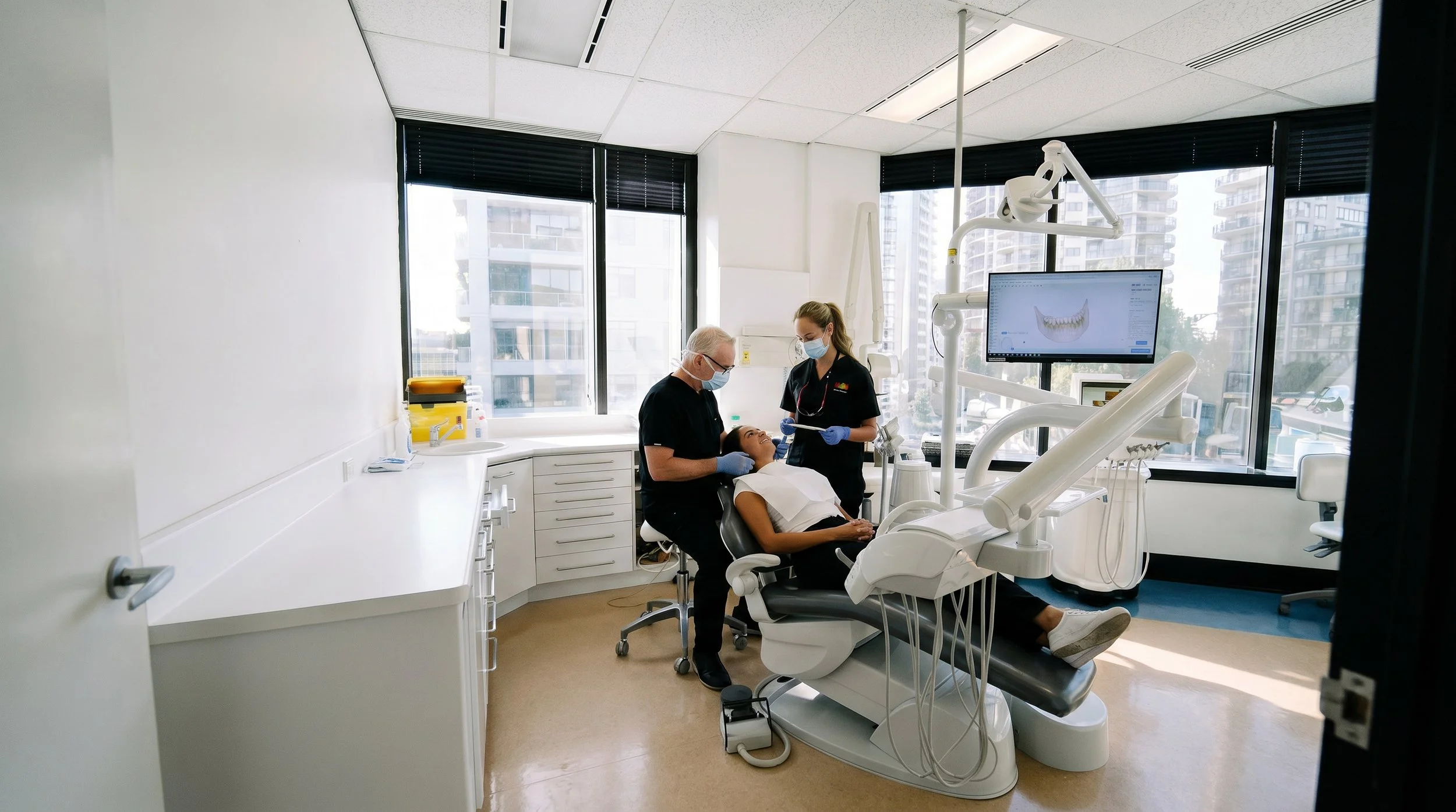
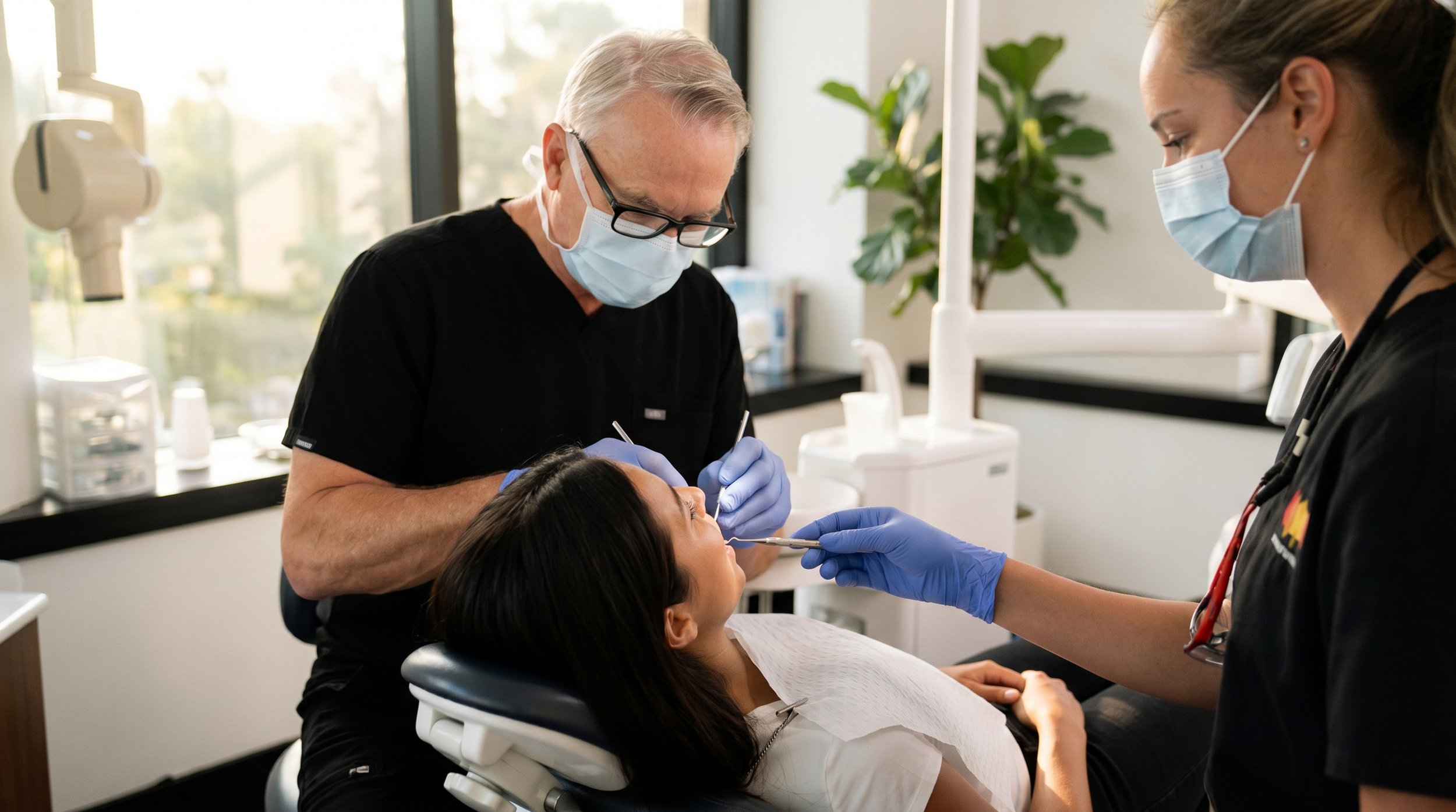
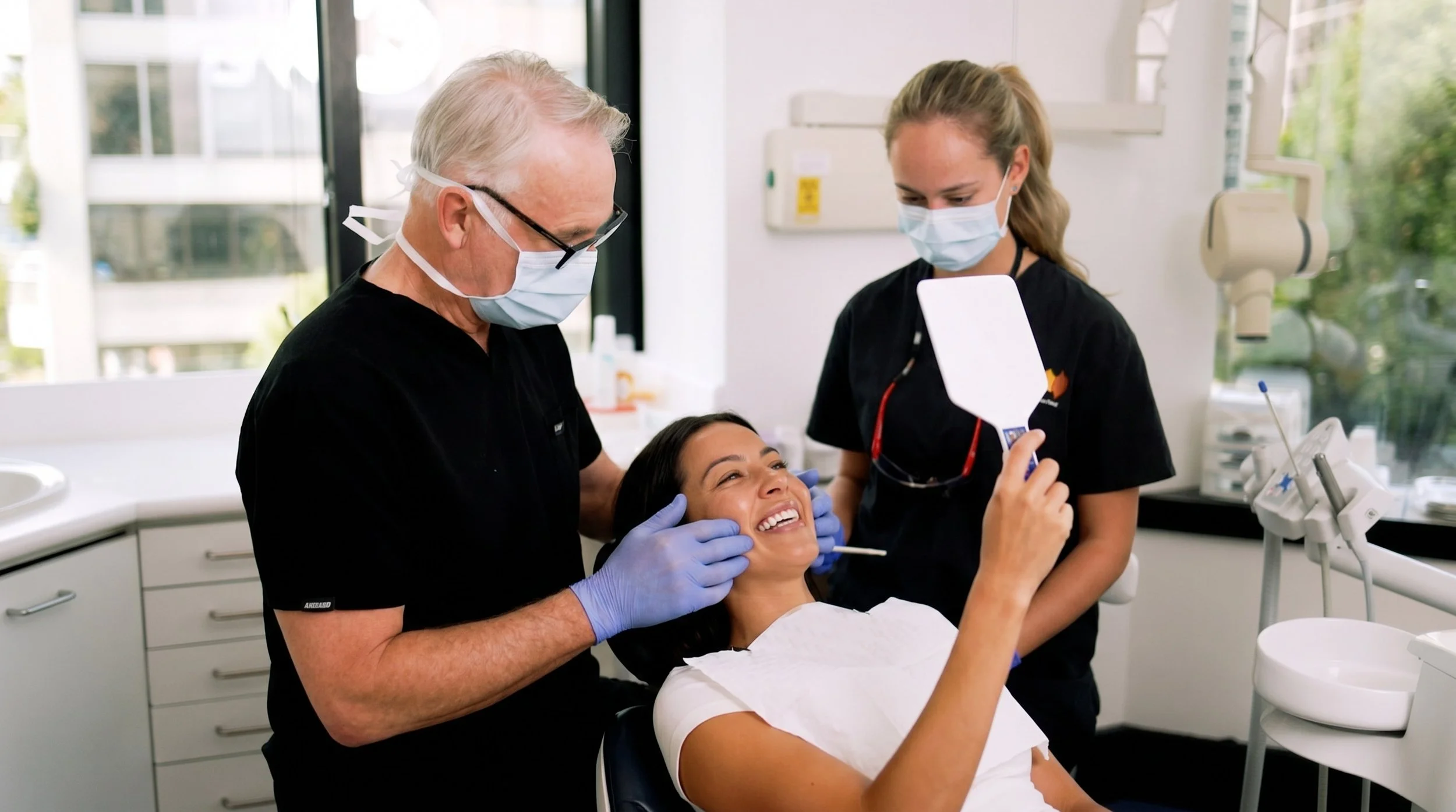
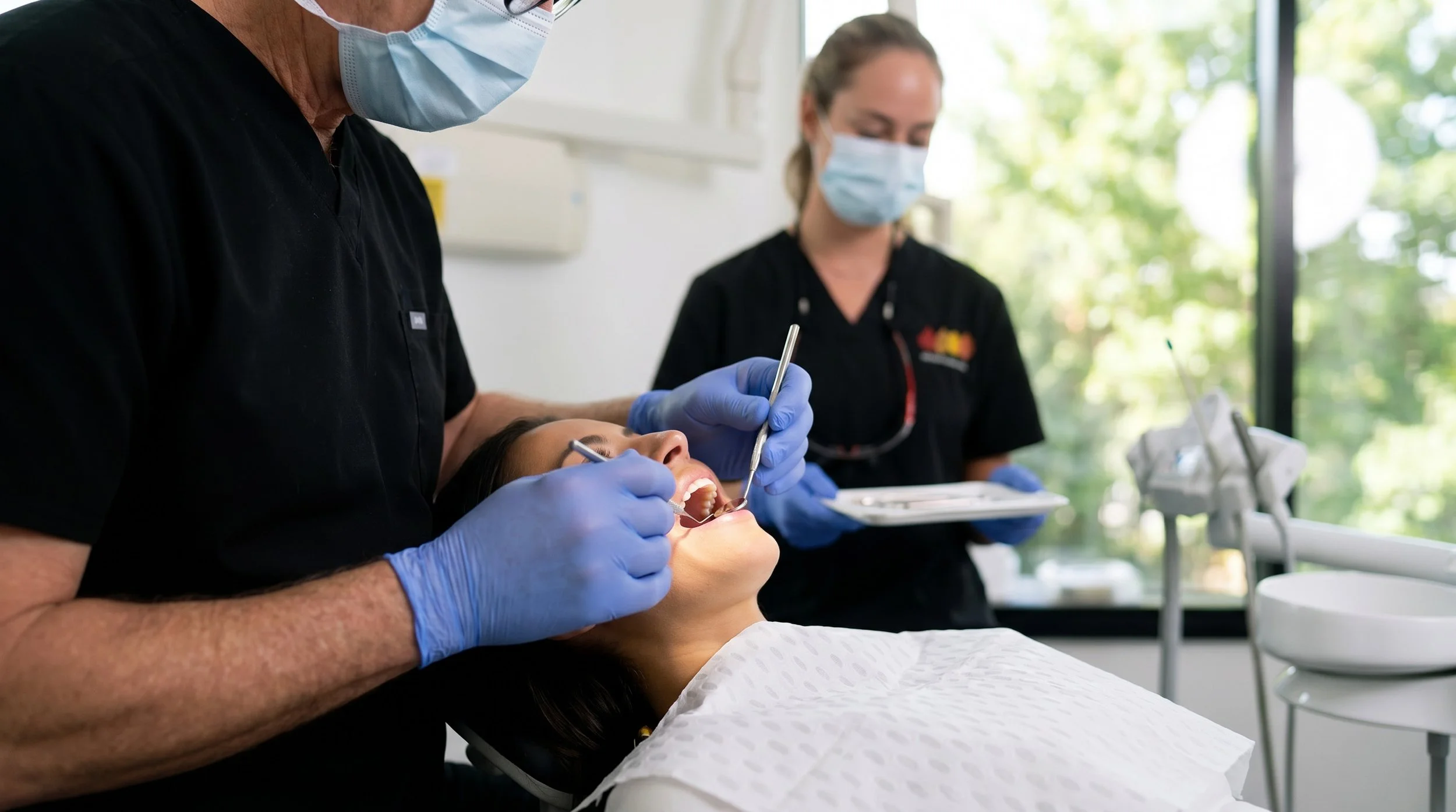
Over more than 35 years I have learned that trust is the real treatment for dental anxiety. Techniques and happy gas help, but what changes things for most people is feeling listened to and not rushed.
So I try to start by understanding the worry rather than the teeth. I would rather spend a first visit talking and earning a little trust than push ahead with treatment someone is dreading. There is no upselling and no pressure, just a plan that fits where you are right now and moves at your pace.
If you have been putting off the dentist because of nerves, I would gently encourage you to take the first small step. You may be surprised how much calmer it can feel than you remember.
Request a Gentle Dental Assessment in Bondi Junction
If dental anxiety has been holding you back, you are welcome to start with a relaxed, no-pressure conversation. I can listen to your concerns, talk through the ways we can make care more comfortable, and agree a plan that suits you, with no obligation to have any treatment on the day.
FAQs
Is it normal to feel anxious about the dentist?
Yes. Australian research suggests roughly one in six adults lives with high dental fear, so it is very common. There is nothing unusual or embarrassing about it, and a good dental team will take it seriously and pace the visit around you.
What is the first thing I should do as a nervous patient?
Tell us. Letting your dentist know you feel anxious, ideally before you are in the chair, is the single most helpful step. It allows the whole appointment to be planned around your comfort, including breaks and a stop signal.
What is happy gas and is it suitable for everyone?
Happy gas is nitrous oxide, a mild inhaled sedative that helps you feel relaxed while staying awake. It usually wears off quickly. Whether it suits you depends on your health and the treatment planned, so we assess it individually rather than use it for everyone.
Can the dentist really make treatment comfortable?
We can do a great deal to reduce discomfort, including modern numbing techniques, a slow and gentle approach, and sedation options where suitable. No one can honestly promise you will feel nothing, but most nervous patients find treatment far more manageable than they feared.
I have not been to the dentist in years. Will I be judged?
No. Long gaps are very common, and my role is to help rather than to lecture. A first visit is usually just a conversation and a gentle look, with no treatment on the day unless you choose to go ahead.
Can children be helped with dental anxiety too?
Yes. Children can be nervous, and a calm, friendly and unhurried approach helps them build trust. Starting early, before a difficult experience, makes a real difference. Our children's dentistry guide explains how we approach younger patients.
Will I stay in control during the appointment?
That is the aim. Agreeing a stop signal, taking breaks and explaining things at your pace all help you stay in control, which for many anxious patients is the most reassuring part of the visit.
Which areas does Dentist In The Park service?
We care for patients across Bondi Junction and the Eastern Suburbs of Sydney, including Bondi, Bondi Beach, Waverley, Woollahra, Double Bay, Rose Bay and Vaucluse.
Other helpful articles