Composite Bonding in Bondi Junction - Fixing Chips, Gaps and Worn Edges
A small chip on a front tooth, a gap that has always bothered you, or an edge that has worn down over the years can knock your confidence more than its size suggests. The good news is that these are often among the simpler things to improve, and composite bonding is one of the most useful tools I have for doing it.
Bonding does not suit every situation, and it is not the answer to every cosmetic concern. What it does well, it does quite elegantly, often in a single visit and usually with very little done to the natural tooth. For the right problem, it can be a calm, conservative way to tidy up a smile.
At Dentist In The Park in Bondi Junction, I prefer to start by understanding what is bothering you and why the tooth looks the way it does, rather than reaching for the most involved treatment first. This article explains what composite bonding is, what it can and cannot fix, how it compares with veneers, and how to look after it.
Short answer: what is composite bonding?
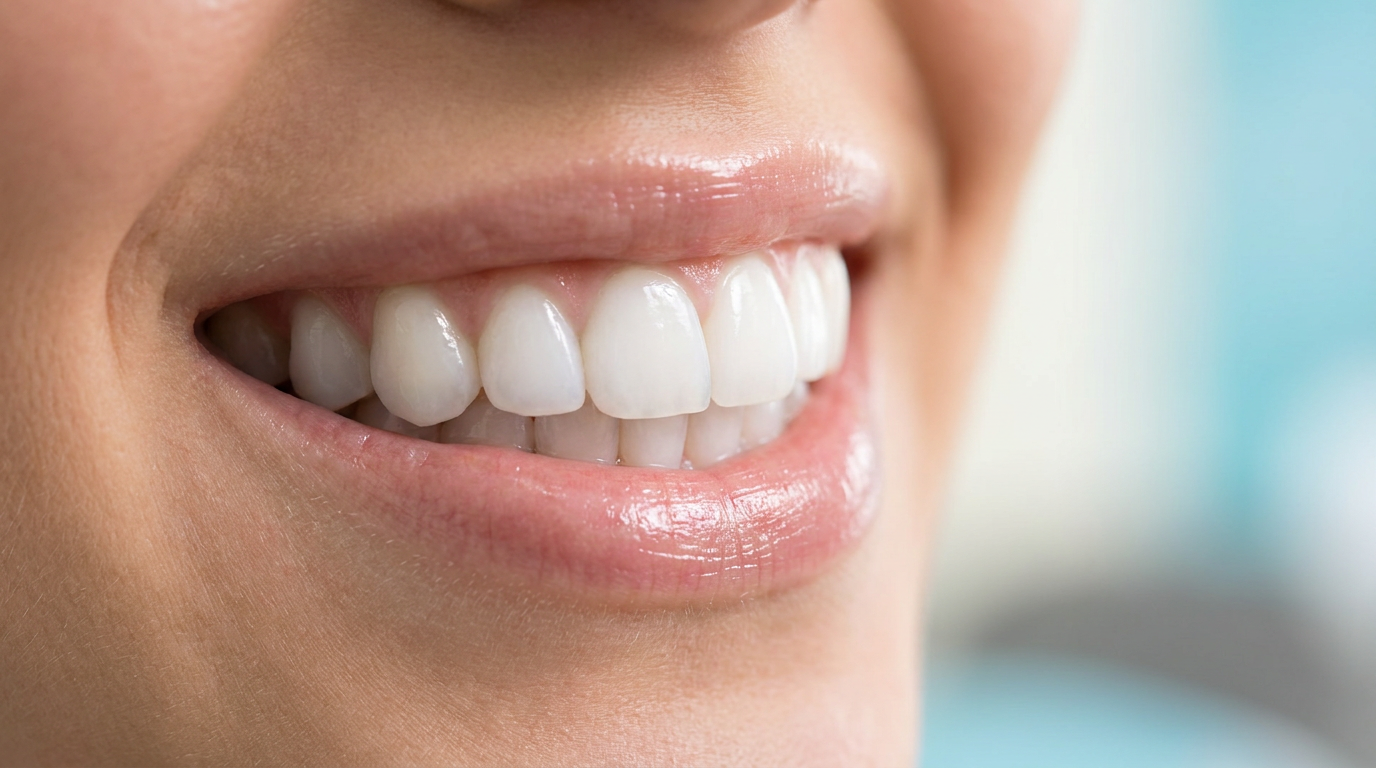
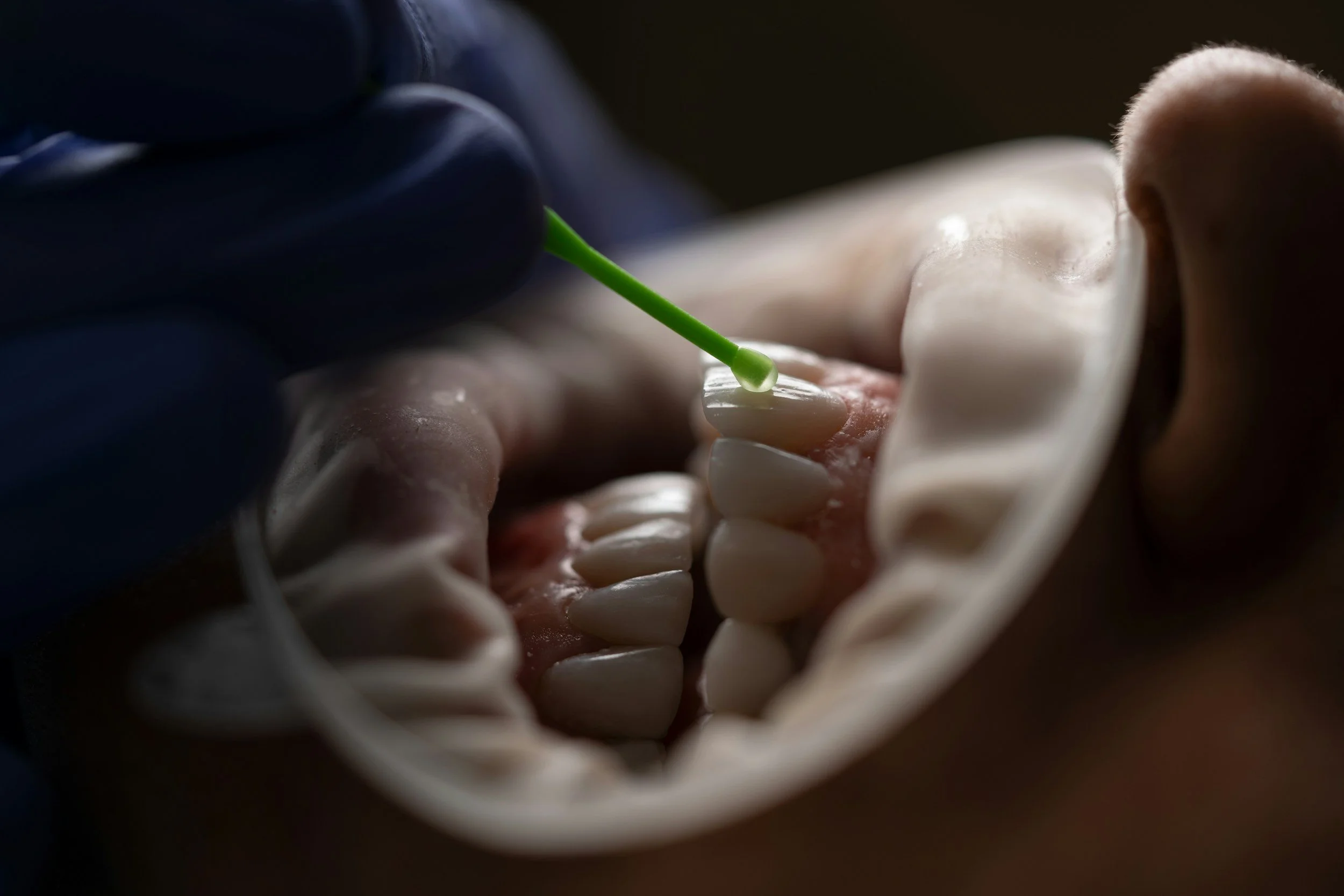
Composite bonding is a cosmetic treatment in which a tooth-coloured resin is shaped and glued onto a tooth to improve its appearance. As the Better Health Channel explains, it can be used to repair chips, reshape teeth and close small gaps. The resin is matched to the colour of your tooth, set firm with a curing light, then polished. It is usually completed in one visit, normally needs little or no removal of the natural tooth, and is a more conservative and affordable option than some alternatives. It is best suited to small, localised changes rather than a full smile rebuild.
What composite bonding can fix
Bonding is a versatile treatment for minor cosmetic issues. According to teeth.org.au, the Australian Dental Association's consumer site, tooth-coloured composite resin is bonded to the tooth and can be used both to restore and to improve the appearance of teeth. In day-to-day practice, I most often use bonding to:
Repair a chipped or slightly broken front tooth
Close or reduce small gaps between teeth
Reshape teeth that are uneven, pointed or worn at the edges
Improve the look of a tooth that is slightly out of line, without orthodontics
Cover small areas of discolouration that whitening alone cannot even out
Make a single tooth blend better with those around it
Because the resin is added to the surface and shaped by hand, bonding gives me a lot of control over the final look. For small, well-defined problems, that often means a natural result with very little fuss.
What bonding is less suited to
Being honest about the limits is just as important as listing the uses. Bonding is a surface treatment, so it is not the right tool for every situation. I would usually look at other options when:
A large part of the tooth is missing or broken, where a crown may give better strength
The whole smile needs reshaping or a significant colour change, where veneers may be more predictable
The bite places heavy force on the area, which can shorten how long bonding lasts
The underlying issue is alignment that would be better addressed with orthodontics
In these cases bonding can sometimes still play a part, but it may not be the most durable or stable choice on its own. Our cosmetic dentistry page outlines the broader range of options, and where a tooth needs rebuilding rather than refining, our crowns and bridges page explains stronger alternatives.
Composite bonding compared with veneers
This is one of the most common questions I am asked, often phrased as bonding versus veneers. They overlap, but they are not the same, and the differences are worth understanding.
Composite bonding is built up directly on the tooth in the surgery, usually in one visit, and typically removes little or no tooth structure. It is generally more affordable and is straightforward to repair if it chips, though the resin can stain or wear over time.
Porcelain veneers are thin shells made in a laboratory and bonded to the front of the teeth. They tend to resist staining well and can give a very consistent result across several teeth, but they cost more, usually take more than one visit, and often involve removing a small amount of enamel, which cannot be reversed.
Neither is simply better than the other. Bonding tends to shine for small, single-tooth fixes and for people who want a conservative, lower-cost option. Veneers can be a stronger fit for a larger cosmetic change across the whole smile. If you are weighing them up, our guide to dental veneers in Bondi Junction looks at veneers in detail, and the right answer really does depend on the individual tooth and what you are hoping to achieve.
What to expect during and after treatment
One of the reasons I like bonding for the right case is how straightforward the appointment usually is. A typical visit involves choosing a resin shade to match your tooth, lightly preparing the surface so the material grips, then layering and shaping the resin before setting it with a curing light and polishing it. Local anaesthetic is often not needed for simple bonding, because little or no drilling is involved.
A few practical points worth knowing:
It is usually completed in a single appointment for one or two teeth
The result is ready to use straight away, with no laboratory wait
Because little natural tooth is removed, bonding can often be adjusted or redone later
The colour is matched on the day, so it is worth considering whitening first if you also want a brighter shade overall
If you are thinking about whitening as well, it generally makes sense to whiten first and then match the bonding to your new shade, since the resin itself does not whiten with bleaching.
How long does composite bonding last and how do I care for it?
Composite bonding is durable but not indestructible, and setting expectations honestly matters here. Both the Better Health Channel and the Australian Dental Association note that composite material can chip, wear or stain over time and may need to be repaired or replaced in future. How long it lasts depends a great deal on where it is, how heavy your bite is, and how you look after it.
To help bonding last, I usually suggest:
Avoiding habits like biting your nails, pens or ice, which can chip the resin
Being mindful with very hard foods on bonded front teeth
Cutting back on staining culprits such as red wine, coffee, tea and smoking, since the resin can discolour
Keeping up good daily brushing and flossing, and regular dental visits
Wearing a night guard if you grind your teeth, which can otherwise wear bonding down
Looked after well, bonding can give years of good service, and because it is repairable, small chips can often be touched up rather than replaced entirely. Routine care and reviews, covered on our general and family dentistry page, are the simplest way to keep it looking its best.
My approach to composite bonding
Over more than 35 years I have come to value treatments that solve the problem in front of me without doing more than is needed, and bonding fits that philosophy well. My instinct is always to ask what the smallest, most conservative change is that will give you a result you are happy with.
For many of the chips, gaps and worn edges I see, that change is bonding. For others, a veneer or a crown is the more sensible long-term choice, and I will say so plainly. There is no upselling and no pressure, just straightforward advice about what will work for your particular tooth and your goals.
If something about your smile has been bothering you, even something small, I would be glad to take a look and talk through whether bonding might be a simple way to help.
Request a Cosmetic Bonding Assessment in Bondi Junction
If a chipped tooth, a small gap or a worn edge has been on your mind, you are welcome to book a relaxed cosmetic assessment. I can look at the tooth, explain whether composite bonding or another option suits it best, and talk you through what to expect, with no obligation to proceed.
FAQs
What is composite bonding made from?
It uses a tooth-coloured composite resin, the same broad family of material used for tooth-coloured fillings. The resin is matched to your tooth colour, shaped onto the tooth, set firm with a curing light and then polished to blend in.
Does composite bonding hurt?
For simple cosmetic bonding, little or no natural tooth is removed, so local anaesthetic is often not needed and most people find it comfortable. If bonding is being combined with repairing decay, numbing may be used, and we always check in with you as we go.
How is bonding different from veneers?
Bonding is built directly onto the tooth in one visit and usually removes little or no tooth structure, which makes it conservative and easier to repair. Veneers are made in a laboratory, often resist staining better, but cost more and usually involve removing some enamel.
How long does composite bonding last?
It varies with the location, your bite and your habits. The resin can chip, wear or stain over time and may need repair or replacement eventually, but with good care bonding can give years of service, and small chips can often be touched up rather than fully redone.
Will bonding stain like natural teeth?
Composite resin can pick up stains over time, particularly from coffee, tea, red wine and smoking. Good daily cleaning and regular dental visits help, and cutting back on staining culprits keeps bonded teeth looking their best for longer.
Can I whiten teeth that have been bonded?
Whitening does not change the colour of composite resin, only natural teeth. For that reason, if you want a brighter overall shade, it is usually best to whiten first and then match the bonding to your new tooth colour.
Is composite bonding suitable for me?
It depends on the tooth and what is bothering you. Bonding works well for small chips, gaps and worn edges, but larger breaks or whole-smile changes may be better suited to crowns or veneers. We assess each tooth individually before recommending anything.
Which areas does Dentist In The Park service?
We care for patients across Bondi Junction and the Eastern Suburbs of Sydney, including Bondi, Bondi Beach, Waverley, Woollahra, Double Bay, Rose Bay and Vaucluse.
Other helpful articles